
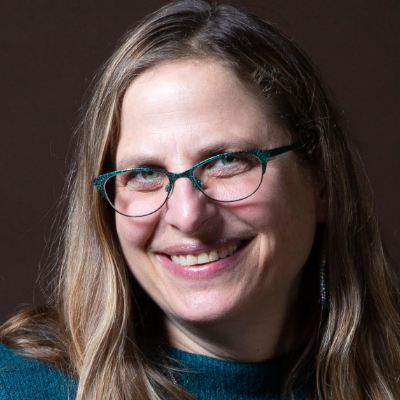
Brandeis Hillel Day School sent over gift cards for groceries. Congregation Kol Shofar organized a schedule of congregants to cook meals and drop them off, and the Conservative Tiburon synagogue has extended a free membership.
As Steven Friedman and his wife, Verna Wefald, are learning, amazing acts of generosity and kindness often go hand-in-hand with a life-threatening illness.
“The Jewish community has been great about putting the mitzvah into practice, the idea of reaching out to people in time of need,” said Friedman.
The San Rafael couple were looking forward to the birth of their second child when Wefald, 41, found a lump in her breast during her third trimester of pregnancy. She thought it was nothing to worry about, but made an appointment with the doctor anyway. The ultrasound looked suspicious enough that the doctors followed it with a biopsy. It was cancer.
At first, they told her she could carry the baby to term. But upon further investigation, her doctors saw the tumor was bigger than they’d originally thought.
Wefald had stage 3 cancer, meaning it had spread to the lymph nodes. They recommended she have the baby as soon as possible so she could immediately begin chemotherapy.
Wefald had a cesarean section about two months ago. Even though baby Maya was a month early, she weighed over six pounds and was healthy.
While Wefald was allowed to breastfeed for two weeks, she had to stop once her first round of chemotherapy began.
Her prognosis is unknown. She is following the course of treatment most common nowadays, where chemotherapy is done first to shrink the tumor, and then is followed by surgery and sometimes radiation.
And while Wefald feels so blessed to have her daughter, she said, “it’s so weird that I was growing this life and this cancer in my body at the same time.”
Friedman, a former freelance writer for j., is known to many in the Marin Jewish community. He is a former teacher of Jewish studies at Brandeis Hillel’s Marin campus and taught at Kol Shofar for 18 years, also tutoring bar and bat mitzvah candidates.
Many of the 11th- and 12th-grade students in Kol Shofar’s “Hebrew High” program studied with Friedman, and wanted to do something to help the family.
“We talked about illness and community and bikur cholim [visiting the sick] and why we’re required to help people who are ill,” said Rabbi Lavey Derby, spiritual leader of Kol Shofar and teacher of the Hebrew High students. “They wanted to know what they could do to help.”
The students came up with the idea of a baby-sitting network. They made a chart of their availability, and one teen volunteered to be the contact person for the family. Now, whenever a baby sitter is needed, they just have to call her and she will find someone who is available.
“That’s a real tearjerker for us,” said Friedman.
They have not used the network yet because baby Maya is so young. And normally, they wouldn’t leave her with a sitter this soon. But, said Wefald, this is not a normal situation.
The baby-sitting network is only one gesture of many that have made the family feel extremely supported.
Their families and employers are also helping in multiple ways. And families at the Greenwood School, where their son, Miguel, goes to school, bought a freezer and cooked meals for the first month.
“We’ve had people do the grocery shopping or come over with food unannounced,” said Friedman. “Some people just leave it quietly in front of the house.”
And then there are the little gestures from people they didn’t know that well, some not at all. The man Friedman gets his apples from at the farmer’s market refused to take his money. A mother of a student in their son’s class is praying with Friedman daily in the school parking lot. A woman he knows only from an Internet discussion group has her church in Indiana praying for Wefald. And a local breast cancer survivor and Kol Shofar member, Sarah Fenner, came over to share her experience and a book of readings and prayers for Wefald to take to chemotherapy. And that’s only the beginning.
“You never want to test this kind of thing, but when it happens people are so wonderful and so generous,” said Wefald.
Friedman admitted it was difficult to just accept people’s generosity, but at the same time, acknowledged that they do need the help.
“We feel really blessed,” said Wefald. “I don’t want to say I’m lucky, but I feel lucky in the sense that everyone is helping us.”