

My patient, whom I will call Charlie, was in his late 80s and always brought a smile to my face.
I treated him for many years for high blood pressure and minor medical problems. No matter what the reason was for seeing me, he radiated joy. When I noticed on my schedule that he had scheduled an urgent appointment, I knew something was amiss. I tried to hide my shock when I opened the exam room door.
His head, neck and upper back were imprisoned in an array of metal. I asked him what happened, and he explained that he had a severe fall. Paramedics came promptly and put him in a neck collar. It was a good thing they did because X-rays showed a neck fracture. A bone fragment was within a hair of severing his spinal cord.
He was told his fracture was irreparable, and a neurosurgeon had fitted him with a metal neck brace that he would have to wear day and night for the remainder of his life. As Charlie told me about his good fortune of not becoming quadriplegic, he seemed to take his injury in stride.
How is it that some people can thrive in old age despite misfortune or illness while others don’t have the capacity to do so? As we age, we are all going to face problems, but those who thrive in old age somehow find resilience, adaptability and even joy. I don’t recall much personal history about Charlie except that he felt proud having served in WWII as a U.S. Army sergeant fighting in the Philippines. Perhaps his years in the military imparted a sense of fortitude.

One of the key elements found to predict well-being in later life is “creative adaptability,” a concept developed by Hod Orkibi, a professor in the University of Haifa’s School of Creative Arts Therapies and an adjunct professor in NYU’s drama therapy program.
“People who believe in their capabilities perceive difficulties as challenges to be mastered rather than threats to be avoided,” Orkibi wrote in a research article in 2021.
Charlie seemed to adapt to his neck injury and appeared to be coping well with his head and neck confinement.
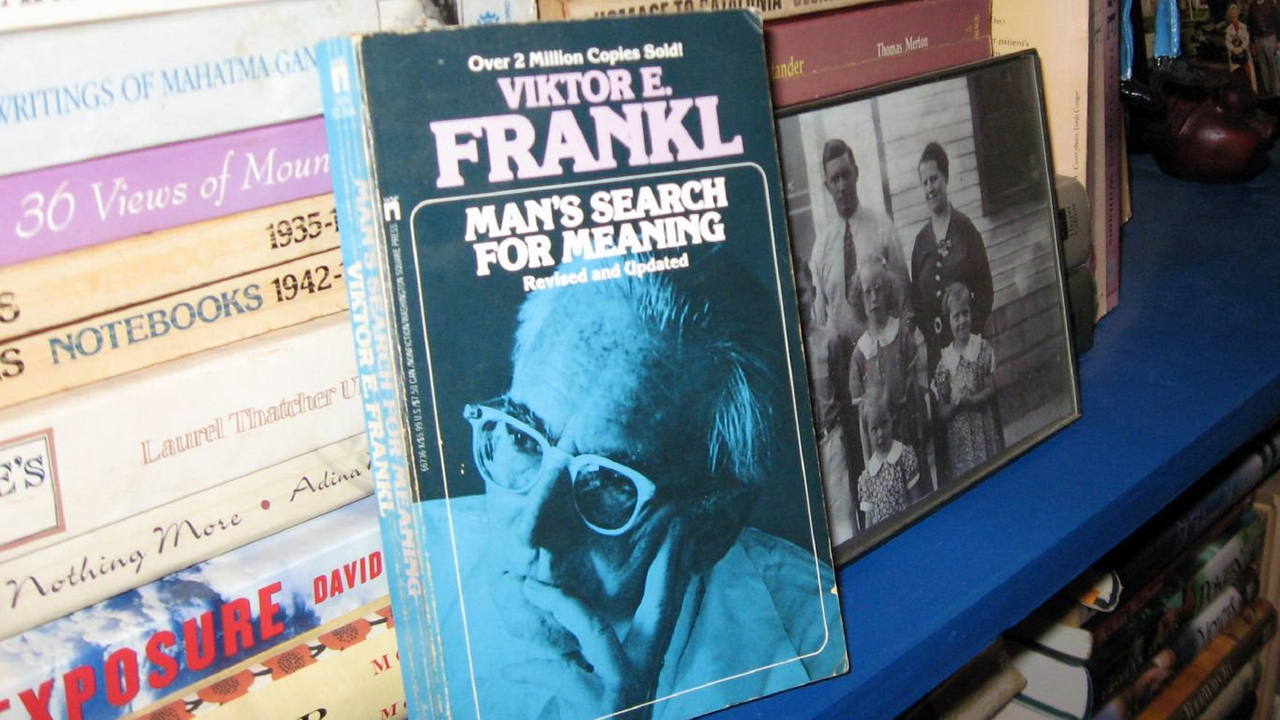
Dr. Viktor Frankl, a psychiatrist and Holocaust survivor, states in “Man’s Search for Meaning,” his memoir: “When we are no longer able to change a situation, we are challenged to change ourselves.”
When I saw Charlie again three months later, I noticed something ominous. Routine blood tests revealed his kidney function was declining. I explained to him that he would have to undergo further testing to figure out what was going on, but in any case, his kidney tests indicated he was close to needing dialysis.
He had heard of dialysis and asked me how he would die if he declined. I explained that as toxins built up in his body, he would get confused, eventually fall into a coma and then likely die peacefully. He told me that he’d had a fulfilling life and did not want more tests or dialysis.
Despite his ability to adapt to adversity, Charlie was clear that he had reached a point in time when his quality of life was more important than his quantity of life. I enrolled him in hospice and went to visit him one month later.
His wife answered the door and led me into the living room where Charlie was sitting in a straight-back wooden chair, his head and neck braced as before, and his eyes half-closed. She explained that Charlie was getting more confused, and in his military-like posture, he spent his days marching throughout the house. She told me he had promoted himself to general and appeared happy while imagining himself leading battalions of soldiers.
It was challenging to have a conversation with him so I decided to entertain him by playing Beethoven’s Turkish March on my viola. Charlie broke out into his familiar grin, and I knew my goodbye visit had resonated with him.
Shortly after my visit with Charlie, he passed away.
I spoke to his wife and shared how much it meant for me to have Charlie as my patient. I marveled about his creativity to adapt to his neck injury by visualizing himself as an army general. I also admired his ability to find joy in the midst of adversity. Charlie still brings a smile to my face whenever I think about him.