
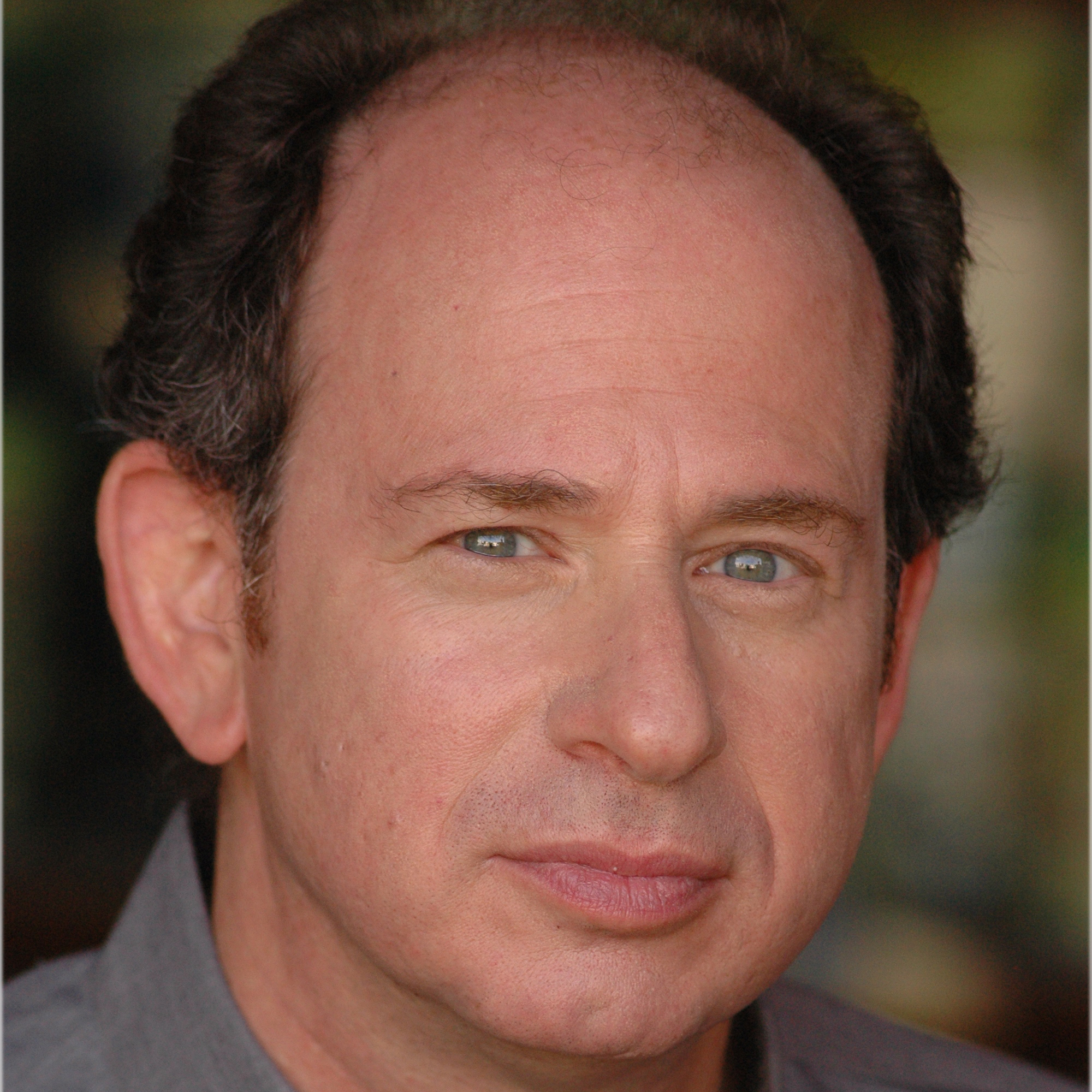
Growing up in Skokie, Illinois, Eli Adler knew his father had survived the camps before immigrating to America. But like most children of Holocaust survivors, that was about all he knew.
Only when Jack Adler began speaking publicly in the 1990s about his experiences did Eli grasp the extent of what his father had endured.

Collaborating with co-producer, co-director and editor Blair Gershkow, Eli recounts his father’s story in the deeply emotional and inspiring documentary “Surviving Skokie.” It screens March 6 at the JCC of San Francisco with both Adlers and Gershkow present.
Jack, now 87, was just 16 when he was liberated shortly after surviving the Dachau Death March. The only member of his family to survive, he was placed with a foster family in Chicago, eventually moving to suburban Skokie to start a family. In 1977-78, Skokie made national headlines when neo-Nazis planned a march through town that galvanized the Jewish community, which included several thousand Holocaust survivors.
Many years later, Eli, now an Emmy Award-winning cinematographer and filmmaker living in San Anselmo, recalls his father coming to his own children’s schools to talk about his experiences. “I would sit in the back of the auditorium, and that was the first time I got as much of his story as I ever knew,” he said.
Beyond the revelatory details, Eli, 61, gained insight into certain oddities and traits of his father, now 87 and living in a Denver suburb.
“I saw him in a different light,” says Eli. “Why he gets impatient, why he doesn’t like to wait in lines. Everyone who experienced the Holocaust, it affected them in different ways, and it made me understand how it affected him in later life.”
In 2009, Eli Adler approached Gershkow — an Emmy-winning editor who lives in San Rafael — to produce a documentary that depicted and saluted Jack’s transformation from silent survivor to outspoken eyewitness. Gershkow, whose wife is the daughter of survivors, signed on. His major contributions included increasing Eli’s presence in the film, notably showing him accompanying Jack to his childhood home in the central Poland town of Pabianice.

Gershkow also suggested expanding the notorious but largely forgotten Skokie episode into a fascinating examination of the context and circumstances surrounding neo-Nazi leader Frank Collin’s proposed march through the mainly Jewish suburb.
One Jewish participant from those turbulent times recounts in the film that the sight of swastikas was akin to ripping a scab from a wound. But the pain provoked many long-silent men and women to stand up and step forward.
“Had Collin known what he was doing,” Eli observes, “that he was getting the survivors to begin speaking, and they saw the need and had an obligation to start educating children, he may have decided not to do what he did.” The Illinois Holocaust Museum and Education Center in Skokie, he adds, “is a direct byproduct of the march and the response to the march.”
“Surviving Skokie” premiered last October at the Mill Valley Film Festival and has begun screening at festivals and synagogues around the country. Eli and Gershkow recognized immediately that the film acts as a powerful catalyst for children of survivors to talk about the ways in which they were affected by their parents’ traumas.
“Looking back, it would seem to me to be virtually impossible for a child of survivors to be objective about the experiences he and a parent went through,” says Gershkow.
“I know from my own observations [of my wife’s family] that there is so much genetic residue and emotional baggage that comes with these families. No doubt Eli’s decision to look to someone else to help added a different approach to an emotionally charged story.”
As for Jack Adler, the original inspiration for the film, he’s spoken to more than a million children over the last 20 years, during the annual March of the Living at Auschwitz, as well as to the U.S. military at Pearl Harbor and the Air Force Academy, according to his son.
“I’ve got boxes of letters he continues to get from kids he spoke to years ago,” Eli reveals. “I feel like I’ve taken the torch, and I am beyond excited [about] the impact this film has had on people.”
“Surviving Skokie” screens 5 p.m. March 6 at the JCCSF, 3200 California St. $10. www.jccsf.org