
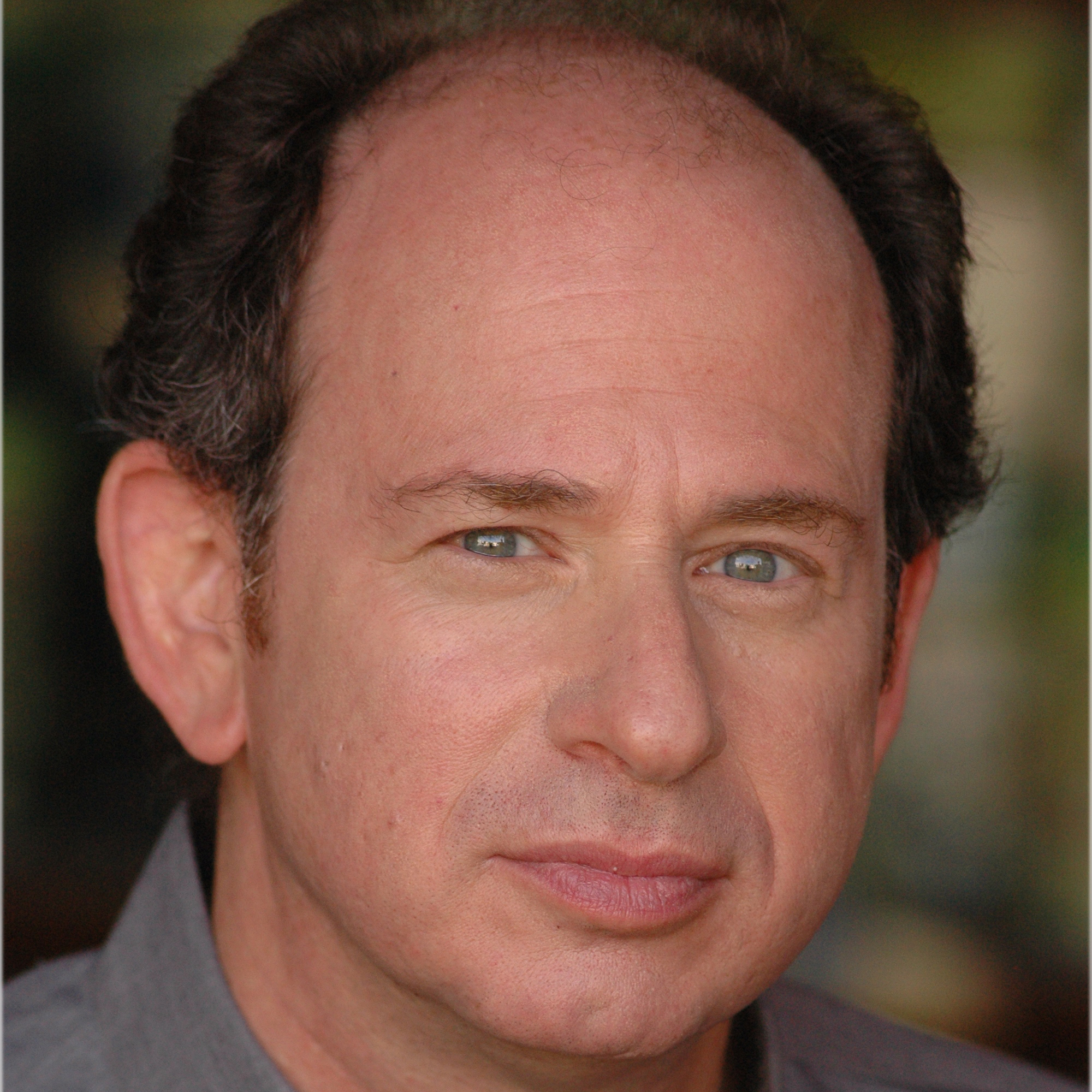
“The Kind Words” could be described as an exceptionally touching comedy or an unusually funny family drama. Israeli writer-director Shemi Zarhin won’t argue either way.
“I write like a director and I direct like a novelist,” he says via Skype from his home in Israel. “What interests me the most is the way that ambiguity creates an emotional experience. The most important thing is that there are several moments that you don’t know how to feel. The characters themselves don’t know if they should laugh or cry.”
“The Kind Words” presents three 30-something siblings with the revelation that their mother’s first sweetheart in her native Algeria was a Muslim, and might be their biological father. Already grappling with individual personal tsuris, Dorona, Netanel and Shai set off to Paris (and beyond) to try and find him.
The film opens Friday, July 29 at the Clay Theatre in San Francisco and the Smith Rafael Film Center in San Rafael.
While the premise of the film is serious and the stakes are high, there’s ample opportunity for scathing one-liners, absurdist situations, curious behavior and poignant encounters.
Dorona has separated from her husband after a couple of miscarriages, and questions herself and their relationship. Shai, the youngest, is gay and insists on keeping his family at arm’s length.
Netanel, meanwhile, became observant after he married an American Orthodox Jew, but is unresolved about his faith and beliefs, as well as his brother’s sexual orientation.
“My goal was to take Dorona step-by-step to the moment that she can understand that she has to understand, like ‘Alice in Wonderland,’ ” the 55-year-old director says. “At the end of the story she is in the right state of mind to start asking the real questions.”
The identity of her biological father, which set Dorona on this journey, turns out not to be the most important question. Zarhin underscores that point with an ending that avoids confirming whether the siblings have located the right man.
“Dorona realizes that the father is the one that wants to be a father,” Zarhin says. “The mother is the one that wants to be a mother. The Israeli is the one that wants to be Israeli. And [the] Jewish [one] is the one that wants to be Jewish.”
Zarhin argues that in order to live a satisfying life, his characters must decide who they are, rather than accept and conform to roles that have been imposed on them as individuals or as members of a family or nation country.
“From my point of view, the present and the future are the space that we should live in,” Zarhin says. “The past is a kind of jail, a prison. Until we understand that, we are in a way slaves of our past, or our parents’ past.”
When Dorona begins to see things through someone’s eyes, she develops compassion for her mother as well as the only father she’s known.
One of Israel’s most respected filmmakers (“The Kind Words” was nominated for 12 Ophir Awards in Israel last year), Zarhin is also the author of the 2012 best- seller “Some Day.”
“When you ask me what is my profession, I say storyteller,” he says. “A storyteller is not a plot teller. It’s not only the plot. It’s a story, which has feelings and images and ideas.”
“The Kind Words” opens Friday, July 29 at the Clay in S.F. and the Smith Rafael Film Center in San Rafael. In Hebrew and French with English subtitles (Not rated, 118 minutes)