

The Torah column is supported by a generous donation from Eve Gordon-Ramek in memory of Kenneth Gordon.
Vayakhel
Exodus 35:1-38:20, 38:21 – 40:38
At the start of 1998, I began a life-changing job helping 12-year-olds prepare for their bar and bat mitzvah ceremonies. (That means my first students are nearing age 40, which is truly surreal, but I digress.)
In those halcyon days of the late ’90s and still today, a family occasionally will ask early in the process: What is the best way to prepare (Josh/Sara/Parker/et cetera) for their “big day”?
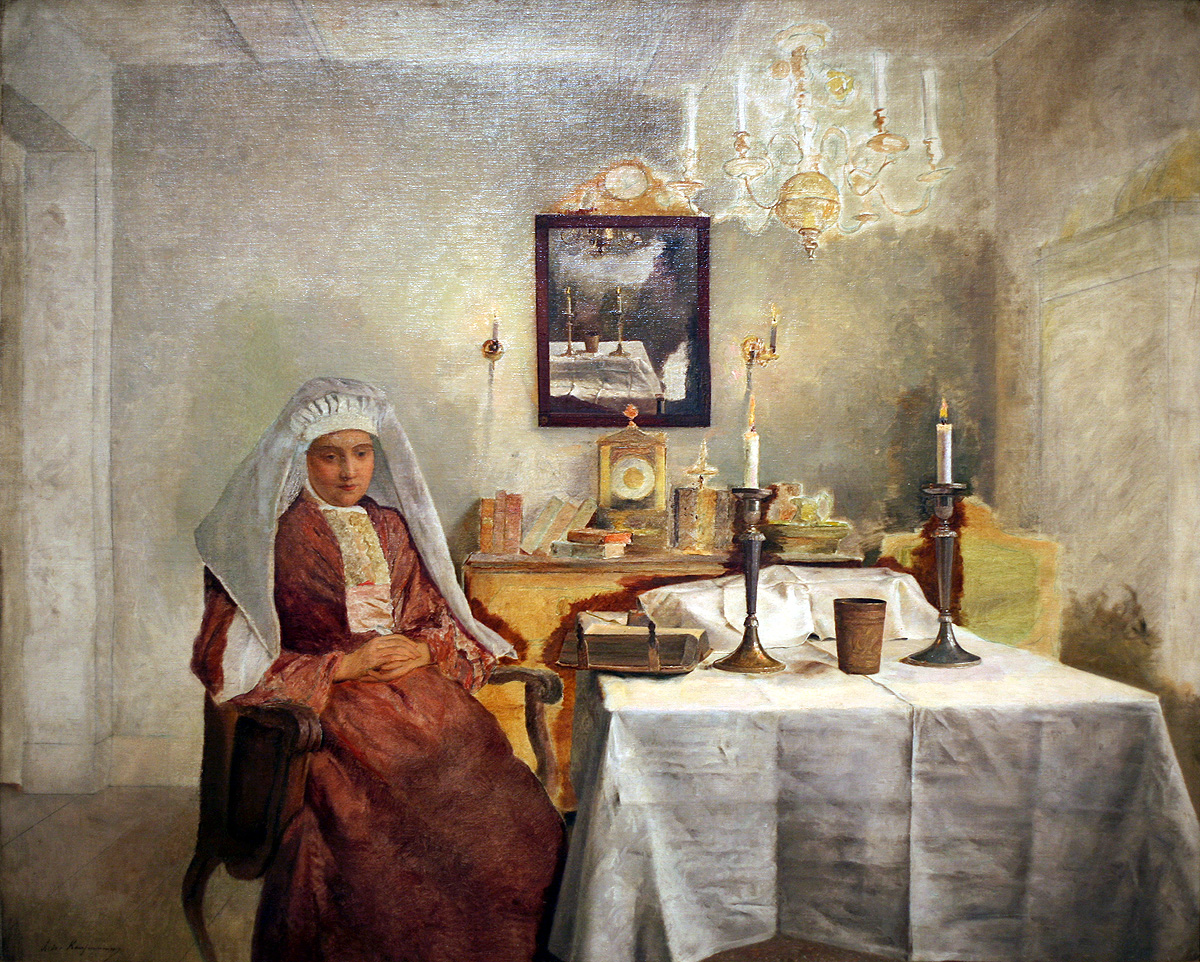
My answer, then and now, has always been the same: “Take a box of Shabbat candles, light two candles every Friday night as often as you can and stand together quietly for a long minute. Make the traditional prayer and give each other a hug and a few words of blessing. It costs pennies, but the rewards are priceless. That’s it. The rest we’ll learn together.”
Shabbat candlelighting transforms. It centers us. It filters out the unrelenting noise and stress of the modern world. It “changes our minds” even for a moment. As a Jewish home ritual, nothing is more simple and more effective for creating a sense of peace and connection to this people and its traditions, for Jews of all ages.
But it wasn’t until a Friday evening in the early 2000s that I stopped short and truly listened for the first time to the words of the blessing that I had taken for granted since childhood.
“Blessed is … the One that gave us holiness through mitzvot and commanded us to kindle the light of Shabbat.” Where is that mitzvah in the Torah? Not to mention the Chanukah candles, which use an equivalent blessing and which are even less mentioned in the Torah, which is to say, not at all — a subject for another season.
I knew about the “big commandments” to rest on Shabbat. And at that time, I knew a little about the very specific prohibitions against Shabbat work that grew in scope and detail over centuries. Those restrictions are based partly on a controversial verse in Vayakhel, this week’s Torah portion: “You shall kindle no fire throughout your settlements on the Sabbath day.” (Exodus 35:3)
But if kindling fire on the Sabbath is prohibited, why do we make such a point of not only lighting fire to welcome Shabbat, but also of making a blessing of holy obligation before it?
As it turns out, Jews have been lighting candles before Shabbat for millennia, though the blessing appeared much later. It was such a widespread practice that the rabbis of the Talmud took it as a given and devoted their discussion to how, when, where and with what materials the Shabbat lights should be offered. Shabbat has always been connected intimately to oneg (joy). And the irresistible romance of candles contributes greatly to that desperately needed, and welcome, sweetness and delight.
Shabbat candles were so common in Jewish culture that by the time of the Roman Empire, certain officials found the practice intolerable, an untenable poke in the eye of the ruling authorities. How dare the Jews of the empire sit idle for one seventh of their lives and be so public about it? According to Rabbi Ismar Schorsch’s “The Meaning of the Shabbat Candles,” the Roman philosopher Seneca railed against the dancing lights as a pernicious and upsetting display of support for that era’s brand of Judaism, which was spreading fast and wide. (It should only be!) But the ritual couldn’t be extinguished.
Despite its ubiquity and antiquity, the earliest known reference to the blessing is in the first official prayerbook, the Siddur of Rav Amram Gaon in the 9th century C.E., which is very recent in Jewish historical standards. By then, the practice was assuming the status of “law” as a result of passionate dispute over the verse from our portion.
In the Middle Ages, sects of Judaism sparred over how to interpret this and many other Torah-based injunctions. The Rabbanites based their system of Jewish living on centuries of debates among the rabbis of the Talmud. They accepted Shabbat candlelighting as a sacred obligation. Without it, they felt Jewish homes would be bereft of joy at exactly the moment that joy was most required.
The Karaites read and practiced the Torah in a much more literal sense. They saw the ritual of “licht bentschen,” blessing of the light, as a direct violation of the commandment to “kindle no fire on Shabbat.” Kindling and burning were given equal weight, so Karaite homesteads in the Middle Ages went dark and cool on Friday at sundown through to Saturday night.
The heads of the primary Jewish academies of the Middle Ages, the Geonim (of which Rav Amram Gaon was among the greatest), endorsed the authority of the Talmud and its countless interpretations and innovations. Shabbat candlelighting was not only good, and completely in the spirit of creating oneg on Shabbat, they decreed, but the practice would be enshrined in Jewish life and raised to the level of mitzvah (commandment) that its accompanying blessing conveys. Most Jewish communities followed that ruling and maintain it to this very day.
In just a few moments each week, the flickering warmth of the Shabbat candles reminds us once again of the fascinating tapestry of Jewish creativity, woven over centuries of argument, discussion, debate and consensus. It is a little ritual that has the power to change the world starting with each Jewish home, everywhere that the spark still burns, searching for and illuminating the path to shalom.