

The Torah column is supported by a generous donation from Eve Gordon-Ramek in memory of Kenneth Gordon.
Devarim
Deuteronomy 1:1-3:22
This week we begin the fifth and final book of the Torah, Devarim, with the first portion, also called Devarim. (To the synagogue professionals among us, this means the High Holidays are rapidly approaching!)
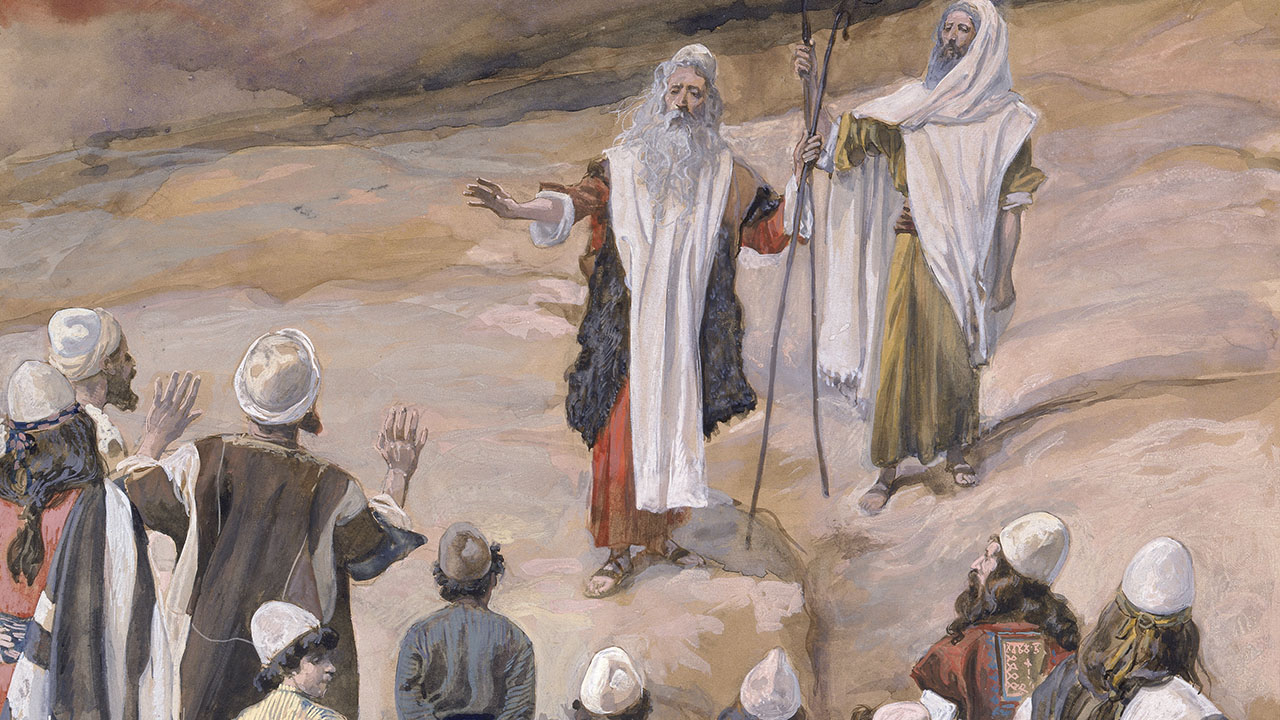
Devarim literally means “words” or “things.” And it’s an appropriate name for the lengthy monologue that Moses shares with the Israelites at 39 years and 11 months into their journey. Having wandered for nearly all 40 of the years they would spend in the desert, the Israelites are preparing to enter the Promised Land. This book is the final preparation for their arrival.
The very last word of the Torah is “Yisrael” — the land our ancestors dreamed of reaching since being freed from Egypt. At the end of the Torah, the Israelites will stand so close to Israel that they can see it just ahead. From Mount Nebo, Moses will look across to the Promised Land — the land the people will enter without him. We will have to carry on after his death, doing our best to apply the laws given to us throughout our time in the desert.
As our ancestors head to our spiritual homeland, Devarim opens with Moses reminding us of all of the places we’ve been along the way. Memories of the journey we’ve been on, like a photo album, remind us of what we’ve learned and what we’ve accomplished together. As we read this parashah in modern times, we are reminded of what it took for God, Moses and our ancestors to build a community, to follow a winding path and to reach Israel long ago.
This parashah serves as a collective memoir, in a way, of our people’s journey to the land of Israel thousands of years ago. By retelling the story of the wandering and the promise of freedom that got us to our homeland, we are reminded that it was a long 40 years getting there. Though we could have walked the short distance from Egypt to Israel in a few days, our ancestors needed to wander. Along the way, they shared experiences and became a family. As we read this parashah now, we, too, are reminded of our ancient connection to Israel — and to each other.
I’ve always loved making scrapbooks and photo albums. The joy of recounting adventures is part of why I love it. But it also allows me to define the journey and create the stories I will tell over and over again. As I look through old photo albums, I connect the dots of my own story — how did I get here?
Memories of the journey we’ve been on, like a photo album, remind us of what we’ve learned and what we’ve accomplished together.
As a kid, I started collecting things on trips. I devoted myself for hours at a time to arranging small mementos on a page and gluing them into scrapbooks to remember where I’d been. Now, I make photo albums online. No more photo corners! I love having these records of places I’ve been. But the best part is reminiscing as I choose which photos to include in the album.
In this week’s Torah portion, Moses retells much of our ancestors’ journey, reminding them where they’ve been. He includes a fair amount of detail, highlighting certain experiences. Why? Why is it important to recall the details of our lives? Because identity is formed this way. Know where you came from — and what choices you made that got you here. As we remember, we ask ourselves: Are we where we want to be? And which forks in the road did we take or not take that contributed to where we are today?
In our lives, it’s not always possible to know which moments will prove to be important ones on the journey. Sometimes, we live through events that we know are hugely impactful as they happen. Sometimes, we know that a choice or an experience will prove to be pivotal and defining. But sometimes, an experience can teach us something profound about who we are or where we’re headed even if it’s not immediately apparent. Over the course of time, we create the arc of our own unique stories. Understanding how we got to where we are shapes our identity.
As I think back over my own life, I can pinpoint moments or conversations that became truly formative. Of course, there are some big moments that were obvious life changers. But I can also think about times and places where I met someone or I learned something that significantly altered my own trajectory — and I didn’t realize it was happening at the time.
Judaism teaches us to think about our individual and collective journeys all the time. Passover reminds us of this; reading the weekly parashah reminds us of this too.
As inheritors of the history recorded in the Torah, we find ourselves here — having come from there. Knowing how we got here powerfully connects us through the generations. It also allows us to be part of the journey that led our ancestors to our shared homeland. And it inspires us to proudly connect to our history and our story.