

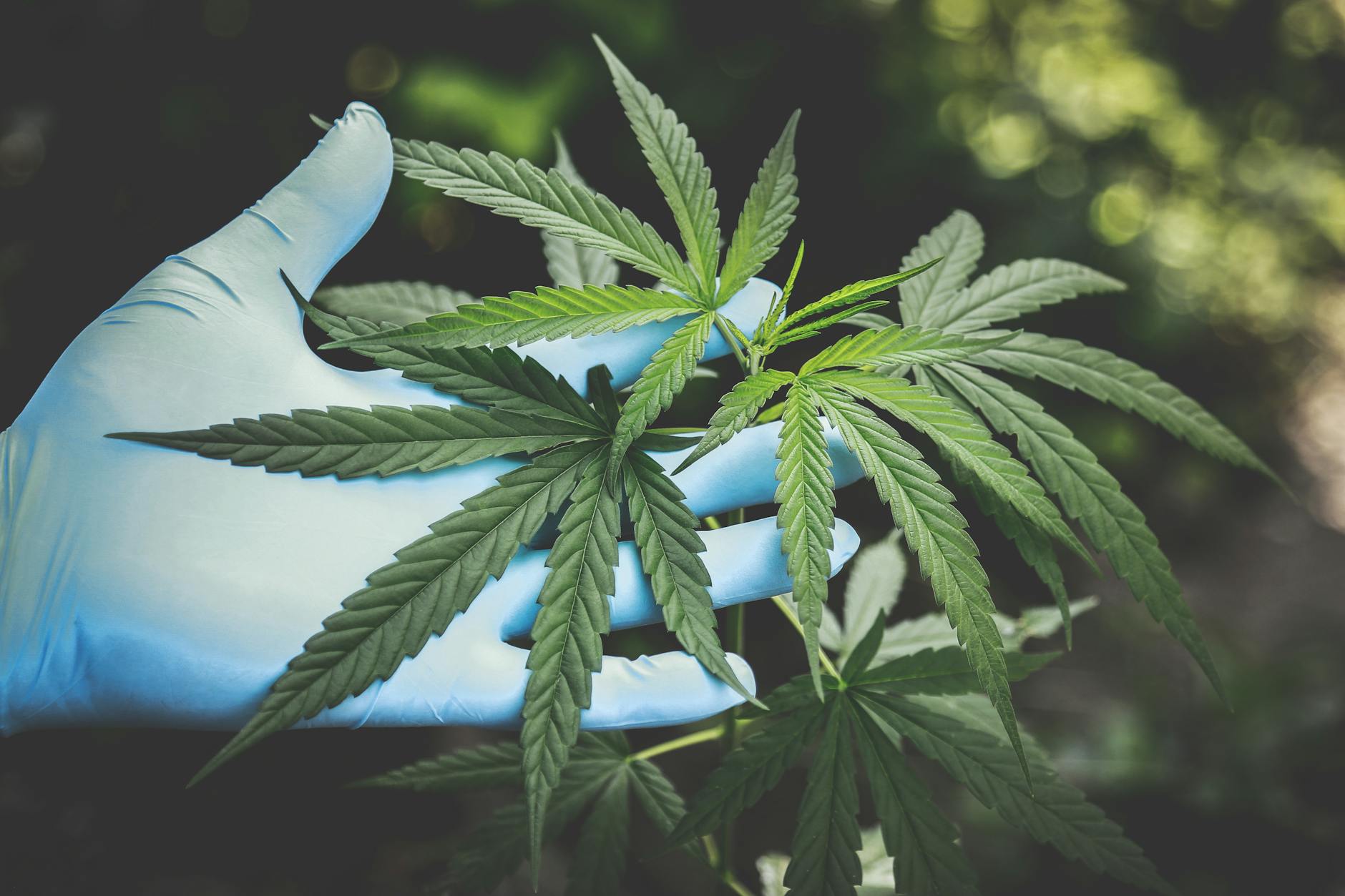
Should you take edibles on Shabbat?
This might not be a new question, but it’s a newly visible question. As legalization has rolled out across the nation — 74% of Americans can now buy marijuana legally in their home state — weed use has spiked, and social taboos around it have begun to fade.
With these changes, an intriguing pattern has emerged: Some Jews have chosen to incorporate cannabis into their Shabbat experiences.
Anecdotally, this usage takes many forms. Some imbibe on Friday night or Saturday morning so that they can appreciate Shabbat services in an elevated state. Others prefer to take a nighttime edible, leaning into the quiet peacefulness of a world disconnected from work. For yet others, it is a shared experience, a way of unwinding with friends on a long Shabbat afternoon.
Shabbat is a day of rest, but it’s also a day of ritual. While there are traces of ritual cannabis use in ancient Israel, its modern use is a genuinely novel experiment in religious practice. So as weed organically enters this ritual space, it’s worth asking: What should we make of this trend — and should it be encouraged or frowned upon?
It’s easy to understand why weed could become Shabbat’s handmaiden. So many “traditional” Shabbat activities — the things often called oneg Shabbat, the joy of Shabbat — are precisely what weed enhances. Good eating, hanging with friends, resting and Friday night sex are all Shabbat activities with deep roots in the Jewish tradition; indeed, traditional Shabbat songs glorify these hedonistic activities. That convenient truth, combined with a guaranteed 25 hours away from work, makes Shabbat an obvious time for weed consumption.
But while weed is pro-delight, it’s also pro-escapism. Yes, it can make a great shul better. But it can just as easily smooth over bad or dull experiences, distracting you from the fact that some aspect of your Shabbat — maybe services, maybe your social scene — isn’t really doing it for you and needs to be addressed. By papering over deficiencies in one’s Shabbat experience, cannabis can let a mediocre Shabbat fester, leaving a person unable to see the problems and/or unmotivated to fix them.
This problematic usage is exacerbated by the fact that cannabis is addictive in some people and that many Jews build their Shabbat experience around repeating ritual activities. Using cannabis on Shabbat may start as an occasional boost, but over time it can easily become a coping mechanism that dominates the experience of the day. A person in the grip of addiction may even perversely rationalize cannabis as a kind of sacred obligation, a Shabbat necessity.
While weed is pro-delight, it’s also pro-escapism.
In other words, the range of outcomes when you combine cannabis and Shabbat is truly massive. In the best-case scenario, cannabis can enhance the Shabbat experience and make it sublime. At worst, weekly use can slouch toward weekly abuse that is abetted by the ritualistic nature of Shabbat itself.
So what should you do? And if you’re a Jewish leader, what should you advise your followers? Because cannabis yields a huge variety of responses across the population, there is never going to be one rule that fits all people or congregations. However, I’d like to suggest three sensible guidelines that all Jewish communities should consider adopting.
First: Acknowledge that cannabis is here to stay. Pretending that it doesn’t exist doesn’t help anyone. If you’re a rabbi, talk about it in your sermons. Be curious about how your congregants are using it. It’s hard to learn best practices for cannabis use or help those who are struggling if people worry about getting judged for bringing it up.
Second: As with alcohol, cannabis use should never be coerced, and people should never be shamed for choosing sobriety. If a community wants to experiment with a ritual space where everyone is high (whether on weed or something else), that space needs to remain peripheral and optional.
Last but not least: Exercise extreme caution when deciding to make cannabis a regular part of your Shabbat experience. If you’re having trouble picturing Shabbat without weed, consider that things might have gotten out of hand.
Shabbat has always been caught between its long list of legal “do not’s” and its much more nebulous traditions about what you’re actually supposed to spend the day doing. This means that the spectrum of Shabbat experiences is quite wide. For some, it’s a day of spiritual rejuvenation and Torah learning; for others, it’s a time to hang out with friends and family. For many people, cannabis’ ability to heighten the senses makes it an obvious supplement to the Shabbat experience.
But for people who spend one seventh of their time in Shabbat mode, defaulting to weed on this day can be dangerous because extended weed use — like alcohol and other recreational drugs — can subtly shift from a means to an end in itself. Shabbat might be a day of rest, but setting up the conditions for a restful Shabbat takes real work.
The artificial equanimity that weed provides makes it easier to settle for mediocre experiences; it’s still restful, sure, but is it ultimately hiding a hollowness that cannabis can’t fix?
So if you’re wondering whether to take a gummy this weekend, ask yourself: Is your weed in service of Shabbat, or is it the other way around?