

Books coverage is supported by a generous grant from The Milton and Sophie Meyer Fund.
For decades, Rabbi Shai Held has felt that conversations about Judaism’s core values and traditions often left out what he considers the foundational element of Jewish faith and tradition: love.
“Christianity always told a story about itself being about love, and that story was coupled with a kind of denigration of Judaism and a claim that Judaism was loveless,” Held, the co-founder, president and dean of the Hadar Institute in New York, told J.

In his new book, “Judaism Is About Love: Recovering the Heart of Jewish Life,” Held, 53, offers a reinterpretation of Jewish texts to “tell the story of Jewish theology, ethics, and spirituality through the lens of love,” he writes in the book’s introduction.
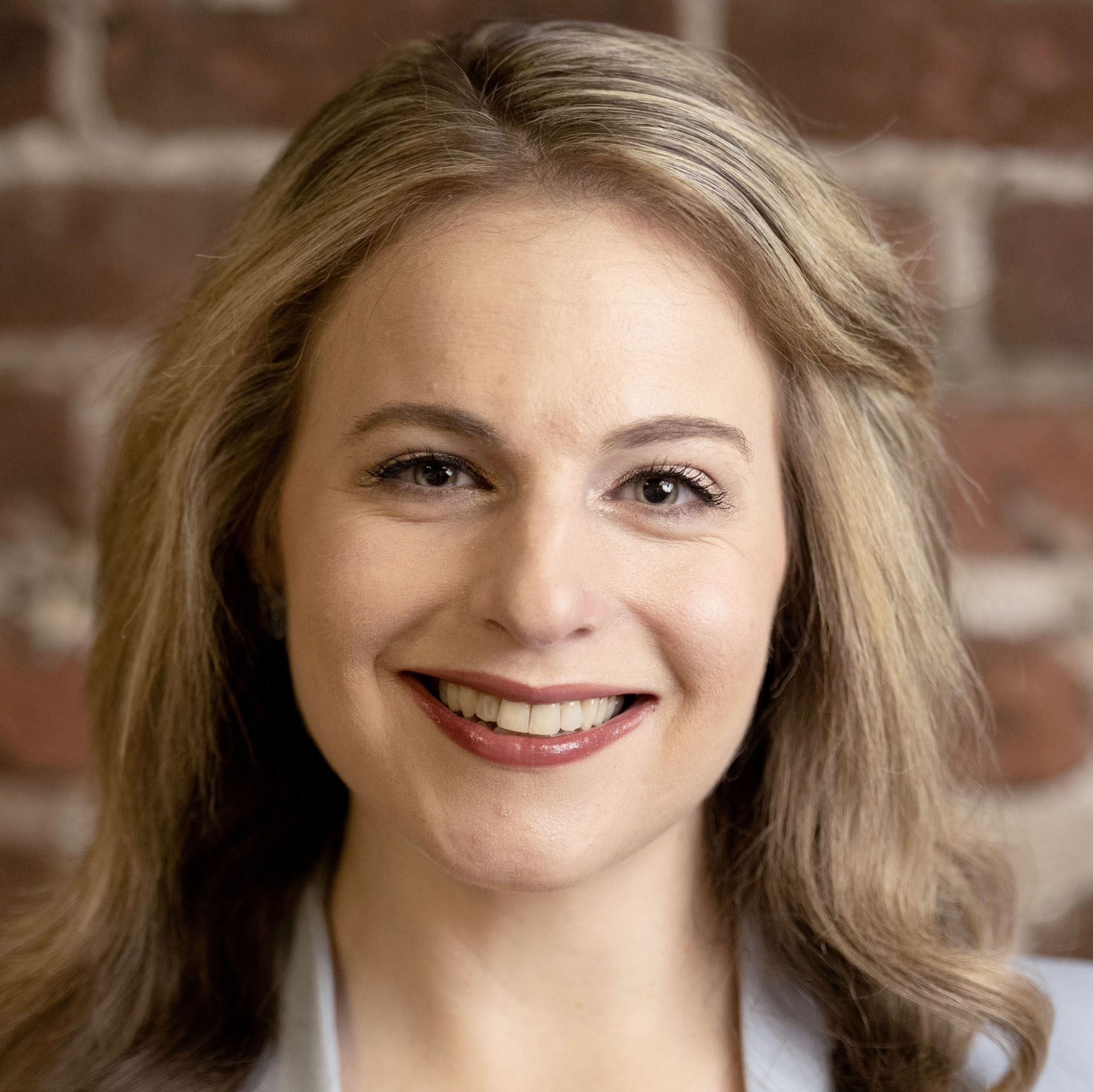
Held is a renowned philosopher, theologian, scholar and host of the podcast “Answers WithHeld.”
“Judaism Is About Love” came out in March, and since then, Held has been traveling across Israel and the U.S. discussing the book’s themes and connecting them to today’s politically divided times.
In a conversation with Rabbi Nico Socolovsky at Congregation Shir Hadash in Los Gatos on Nov. 9, Held touched on the recent U.S. presidential election and offered his thoughts on how to respectfully and even lovingly disagree over politics.
“I’m trying to get to this place, honestly, with a lot of people that I am friendly with in Israel who I feel have drifted in right-wing ways, in ways that I find totally terrifying, and actually trying to see them in the lens of compassion,” he said. “Asking what hurts them, asking what scares them, not to validate their political [views], which I disagree with ferociously, but to force myself to reaffirm their humanity.”
Held’s book tour brought him to cities across the Bay Area this month — and there’s still time to catch him while he’s here. He will be at Congregation Beth Sholom in San Francisco on Monday evening, Congregation Sherith Israel in San Francisco on Tuesday and Congregation Netivot Shalom in Berkeley on Wednesday (which will be streamed over Zoom as well). In addition to the Shir Hadash appearance, his visit to the Bay Area has already included talks at The Kitchen in San Francisco, Congregation B’nai Shalom in Walnut Creek and the Peninsula JCC in Foster City.
In between Bay Area stops, J. had a chance to interview Held about his new book.
The following Q&A has been edited for length and clarity.
J.: You worked on this book over several years. Was there a lightbulb moment that compelled you to write about love in Judaism?
Rabbi Shai Held: It’s funny, actually. I was meeting with a friend and talking about some different book ideas, and she said to me, “Bottom line, what is it that you’re trying to say that people need to hear?” and from some unconscious, unplanned place, I said, “The point I’m making is that Judaism is about love, and so many people seem to miss that.” And she said, “You just announced your book. Go write it.” It was a very powerful moment.
I had had these powerful experiences with students, both Jewish and Christian, who had told me with great confidence that Judaism is not about love, and each time I would find myself sort of shocked and heartbroken, thinking: But the whole thing is about love! Jewish liturgy, twice a day, describes how God loves us and invites us to love God back. That’s the heart of the whole story of Judaism.
Judaism is also so much about love of learning, love of studying, love of Torah. Does that element lend itself to other forms of love?
For sure. When I talk about Judaism being about love, I’m using love as an umbrella term for a whole array of kinds of love — love of neighbor, love of the stranger, love of God, love of family, love of the Jewish people. I think Jewish love expresses itself in a whole array of different ways. It also includes compassion, mercy. Those are all species of love and Jewish thought.
What surprised you in the process of writing this book?
A lot of things surprised me. I would mention a couple things. One is that there is an incredibly rich, complex and nuanced discussion in Jewish sources about whether and when we’re supposed to love our enemies. I found a lot of those sources really difficult, challenging, at times confusing. And then in a very different register, I would say I had always thought of love as primarily a way of feeling and a way of acting. And a whole bunch of Jewish sources made me realize that love is also a way of seeing. It’s actually a way of viewing other people. And I’ve come to think that training our eyes to see other people in a loving way is a very powerful spiritual commitment. I could talk about that for hours.
Going deeper into that topic of how to love our enemies, you have a chapter, ‘Must we love our enemies too?’ in which you write about showing kindness to our enemies, and what the Torah says about letting go of vengeance and not delighting in the downfall of our foes. These are really relevant points to think about right now, in the wake of Oct. 7. How has this chapter guided the conversations and discussions you’re having?
I think that part of what makes conversations about love of enemies difficult is that we don’t usually stop and clarify who we mean when we say enemies. An enemy can be someone I don’t get along with at work, or a business partner I fell out with, or a genocidal antisemite. It isn’t clear to me at all that Jewish tradition says I should treat all three of those people the same way. In fact, I would say that writ large, Judaism thinks I am obligated to show love to those first two categories. But I don’t think it says that about the third.
Christians will often say I have to love my enemies, even if they’re Vladimir Putin or Saddam Hussein, for instance. I’m just not convinced the Jewish sources think that.
Where to see Rabbi Shai Held in the Bay Area this week:
7 p.m. Nov. 11 at Congregation Beth Sholom, 301 14th Ave, S.F. Elul book group with Rabbi Dorothy Richman discussing “Judaism Is About Love.”
7 p.m. Nov. 12 at Congregation Sherith Israel, 2266 California St., S.F. Sheldon Wolfe Memorial Lecture: “Jewish Dreams of Zion: How Three Jewish Thinkers Imagined a New Jewish Future.”
7 p.m. Nov. 13 at Congregation Netivot Shalom, 1316 University Ave., Berkeley. In conversation with Rabbi Zac Kamenetz, in person and on Zoom.