
J. is the media partner of the 2024 Z3 Conference at the Oshman Family JCC in Palo Alto on Nov. 17. This week, we are publishing a series of op-eds from speakers at this year’s conference, just a slice of the diverse perspectives on the Israel-diaspora relationship that attendees will be able to hear at the event. They were solicited and edited solely by J.
After the Oct. 7 attack, American Jewish institutions failed. For more than a year, whether on campuses or in urban centers, whether in Congress, in schools, or professional organizations, antisemitism suddenly became a legitimate, and in some circles even dominant, position.
This nightmare wasn’t supposed to happen. For a century, Jewish philanthropy in America spent hundreds of millions of dollars each year on an entire system of “defense organizations” and other bodies aimed at protecting the Jewish community.
Yet none of them, it seems, did their jobs. Consistently, major Jewish institutions failed to warn, to foresee and certainly to prevent or prepare for the avalanche of hatred Jews now face. Nobody has resigned. No commissions of inquiry were launched. Instead they circle their wagons, and the phrase “nobody could have imagined” tumbles out of every press release, gala speech or interview.
The fact that some did imagine it — writers like Martin Kramer, Izabella Tabarovsky, Gil Troy, Natan Sharansky and David L. Bernstein, the last of whom published a book in 2022 called “Woke Antisemitism” — doesn’t trouble them in the least.
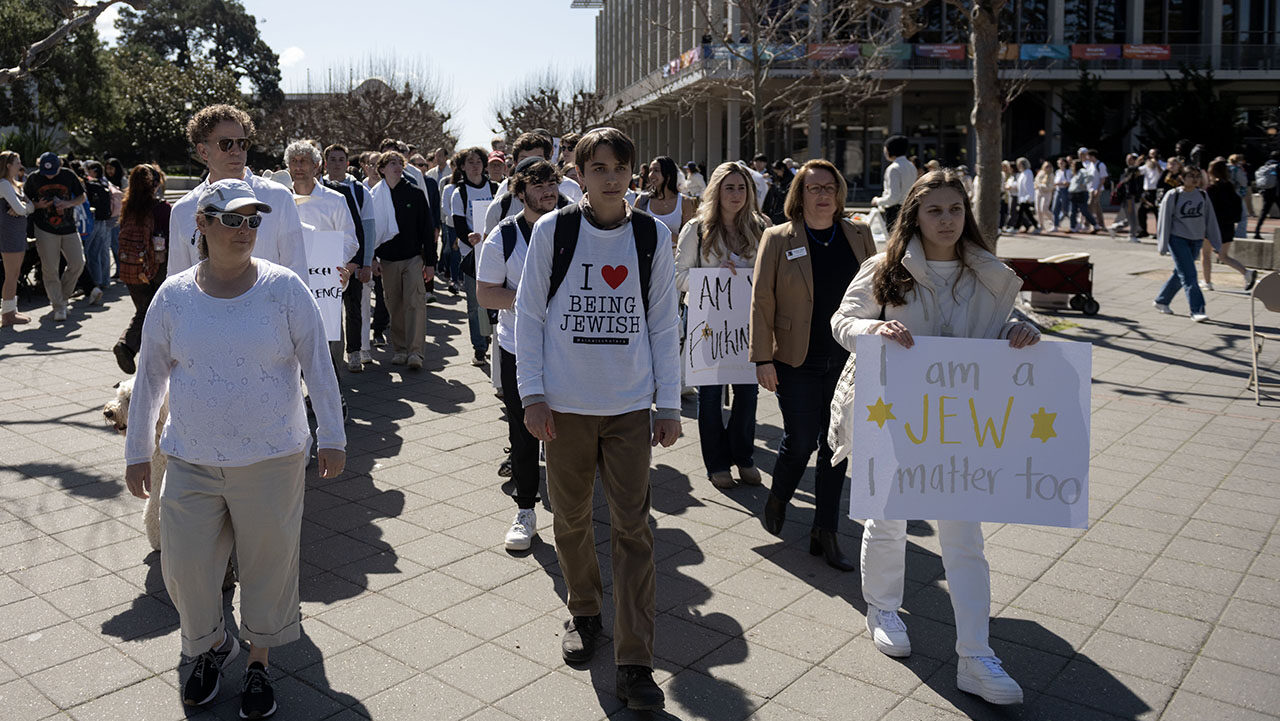
Those who have paid the greatest price for this failure are young American Jews, especially students. It is they who see the hatred in their fellow students’ eyes. It is they who have to choose every day whether to wear a Magen David in public. It is they who have to face, each day, the accusatory question “Are you a Zionist?” and to sit in class as professors rattle off the litany of horrendous calumnies about Israel that have now become the touchstone of tenure-track chic.
It is also they who feel most abandoned by Jewish institutions — and in many cases have taken matters into their own hands, leading the charge to push back, to protest and to organize.
These young people constitute a new movement in Jewish life, one that will color our collective future even more than did the Soviet Jewry movement of the 1970s and 1980s. From universities to synagogues to communal organizations, a new spirit has arisen, one committed never to make the mistakes of their elders. They are angry, they are proud, and they are committed to serving the Jewish future with both love and wisdom.
How do I know this? Since my first visit back to the U.S. from Israel last October, I’ve been collecting their writings, published in a new book called “Young Zionist Voices: A New Generation Speaks Out.” Its 31 essays express the authors’ disillusionment and anger, but also their vision, passion and creative commitment. It is a remarkable document.
“Young Zionist Voices” includes some of the better-known campus activists like Shabbos Kestenbaum from Harvard, Eyal Yakoby from University of Pennsylvania, Julia Steinberg from Stanford, and Maya Platek and Talia Bodner from Columbia, as well as Adela Cojab, whose 2019 lawsuit against NYU under Title VI of the Civil Rights Act opened the door to a wave of similar lawsuits against elite colleges around the country. There are also young rabbis, Jewish professionals, scholars and artists, as well as Gen Z counterparts in the U.K., Australia and Israel, including several who chose to make aliyah. Many of them will be at the Z3 Conference in Palo Alto on Nov. 17, when the book will be officially launched.
This is the future of our people. As author Dara Horn has written, “Reading this book is like taking all these brilliant young people out for coffee — and then listening, in silent awe, as they articulate their visions for the future. In a time of horror, here’s some fantastic news: The Jewish future is in good hands.”
We older folks have an unfortunate tendency to dismiss young Jews as disconnected, ignorant and subject to undue influence from social media. We disparage them as the “TikTok Generation.”
We think we know better. But what we should have learned from the experience of the last year is that we really don’t.
Israel’s wars will come to an end, with the Jewish state hopefully emerging victorious. The diaspora’s wars, however, have only begun. Will we listen to those who can lead us to victory?