

The Torah column is supported by a generous donation from Eve Gordon-Ramek in memory of Kenneth Gordon.
Vayechi
Genesis 47:28-50:26
Simon Wiesenthal, the Holocaust survivor and famed Nazi hunter, shares a humorous anecdote in his autobiography. In a displaced persons camp after the war, a neighbor asked to borrow $10, promising he’d repay it within a week, as he was expecting a package from a relative.
The week passed, and the repayment didn’t materialize. Nor did it the week after, or the week after that. Excuses piled up for nearly a year. Then one day, the neighbor came to Wiesenthal with a $10 bill in hand.
“My visa has come through,” he announced. “Tomorrow, I leave for Canada. Here’s the money I owe you.”
Wiesenthal waved the money away and said, “No, keep it. For $10, it’s not worth changing my opinion of you.”
The story is comical, but it’s also profoundly insightful. Wiesenthal’s remark underscores how tightly we can hold on to our grudges, even when the cost of doing so far outweighs the benefit.
This tendency to hold on to resentment, to resist letting go, is deeply human. But it is also deeply corrosive. Resentment gives power to those who have wronged us.
As the saying goes, “Holding a grudge is letting someone you dislike live rent-free in your mind.” Why would we give anyone that privilege?
Studies show that resentment and anger trigger biochemical changes in the brain, altering blood flow, heightening stress and impairing sleep. Prolonged bitterness increases cortisol levels, undermines cardiovascular health and weakens the immune system.
By contrast, forgiveness promotes physical and emotional wellbeing. Letting go of anger isn’t just an act of grace; it’s an act of self-preservation. When we forgive, we release ourselves from the chains of the past. We free our hearts to heal, our minds to grow and our souls to rediscover joy.
Forgiving others isn’t about excusing their behavior. It’s about liberating ourselves from bitterness and reclaiming our peace.
During a class I was teaching at Stanford on Biblical personalities, a Catholic student raised a question that cut straight to the heart of this issue:
“Rabbi, why is Genesis filled with so much animosity? The New Testament is about love, but Genesis seems preoccupied with hate. Why?”
Her observation was striking. Genesis recounts four sets of brothers, each locked in conflict.
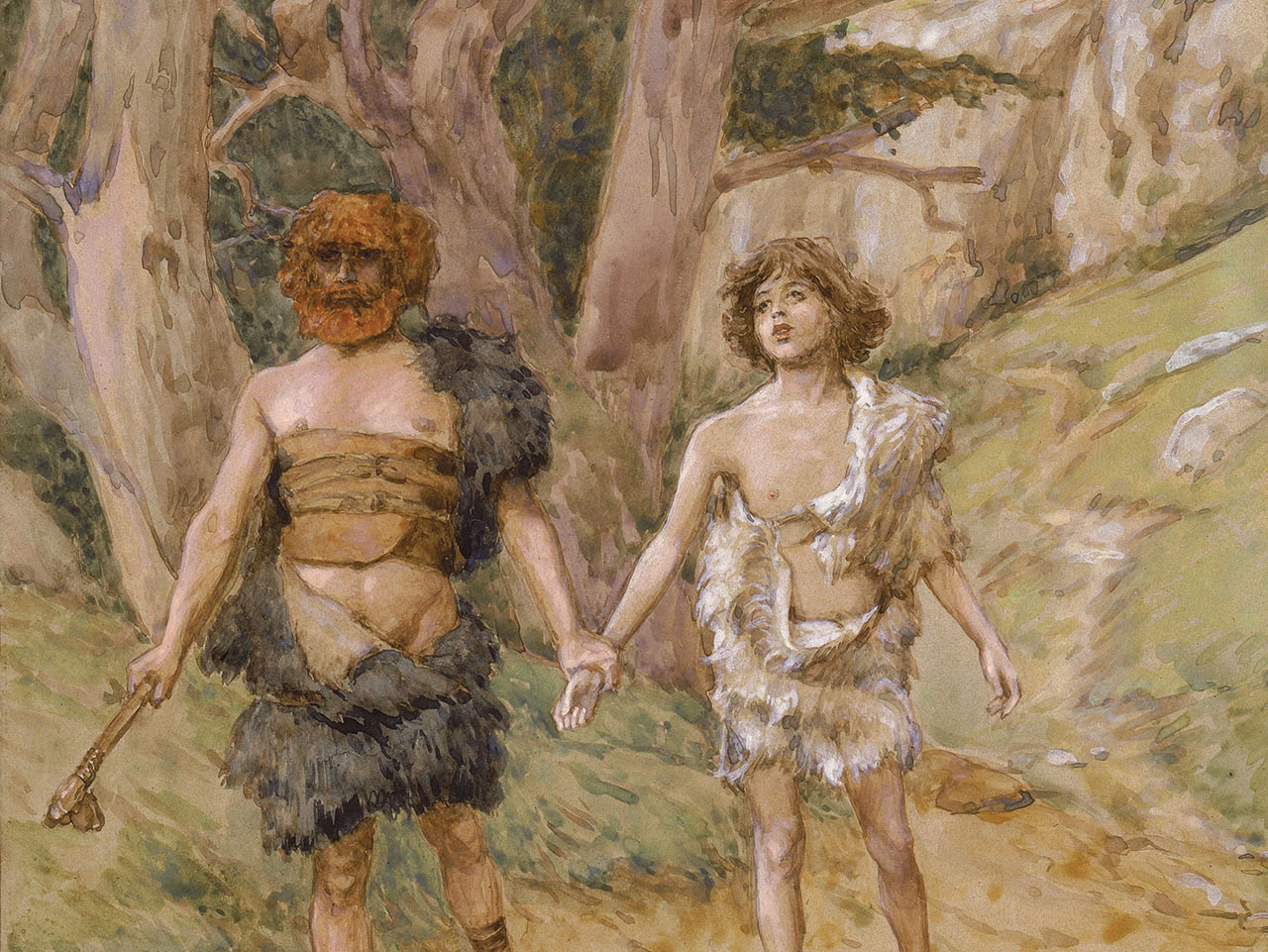
The very first siblings, Cain and Abel, fail to get along. In a jealous rage, Cain murders Abel.
Isaac and Ishmael, the second pair, are divided by rivalry and part ways.
Jacob and Esau begin their struggle even before birth, wrestling in the womb — a conflict that continues for decades.
Finally, there are Joseph and his brothers, whose jealousy leads them to sell him into slavery.
At first glance, these stories seem disconnected — episodes of familial strife and rivalry. But if we look deeper, we discover something extraordinary: These narratives form a single, unfolding drama, a symphony in four movements.
The key to understanding their unity lies in the conclusion of each story.
The first story ends in tragedy. Cain murders Abel and remains unrepentant. When God asks, “Where is Abel your brother?” Cain defies God with the haunting words, “Am I my brother’s keeper?”
The second story takes a step forward. Isaac and Ishmael, despite their differences, come together to bury their father, Abraham. They do not speak but stand side by side in silent reconciliation.
The third story brings us further. After years of estrangement, Jacob and Esau meet again. At first, conflict seems inevitable. Jacob fears Esau’s approach with 400 men. Yet when they meet, Esau embraces Jacob, and the brothers weep together. Though they part ways afterward, the moment of connection is undeniable.
So we move from murder to silent coexistence and then to an embrace.
But the final story of Joseph and his brothers reaches a resolution of breathtaking beauty. Joseph had every reason to hate his brothers. They sold him into slavery, robbed him of his youth and exiled him.
Yet in Genesis’ closing chapters, Joseph does something remarkable. He forgives them. Not only does he forgive, but he reframes their betrayal, telling them, “You intended to harm me, but God intended it for good.” He transforms their cruelty into a vehicle of Divine providence.
Joseph doesn’t dwell on the pain of the past. He sees the larger picture: the good that emerged from his suffering.
He embraces his brothers, provides for them during famine and settles them in safety.
In doing so, he answers God’s question to Cain, “Where is your brother?” with a resounding, “I am my brother’s keeper.”
Why does Genesis devote so much space to these stories? Because they teach us one of life’s essential truths: Conflict is inevitable, but it need not define us.
Jealousy, rivalry and anger are part of the human condition. We will hurt and be hurt. What matters is how we respond. Without forgiveness, relationships fracture and families fall apart. Forgiveness is the bridge that allows us to move from pain to peace, from estrangement to love.
The Torah’s message is clear: Forgiveness is not just a virtue. It is the foundation of enduring relationships.
Like Joseph, we can choose to rise above grievance, to see the good even in the harm others may have caused us.
And here’s the truth worth repeating:
Without apologies and forgiveness, no relationship can survive!
Those who seek love, family and happiness must learn to forgive.
In the end, Genesis is not about hate. It is about the transformative power of love — the love that begins when we forgive.