

The Torah column is supported by a generous donation from Eve Gordon-Ramek in memory of Kenneth Gordon.
Matot-Masei
Numbers 30:2-36:13
This week’s double Torah portion, Matot-Masei, is filled with all manner of interesting things to consider, including women and vows, and women and inheritance. The Torah portion begins with a description of women making vows … in the presence of men. Turns out, if a man intervenes in a woman’s vow, declaring that it’s really not what she meant to say, she’s off the hook. But if a man hears her speak and doesn’t say anything, the vow holds.
It’s a curious idea — a one-way check and balance situation —whereby a hot-headed woman who vows something in an emotional way, or an ignorant woman who vows something without enough information, is potentially saved from the harshness of having to uphold her vow. Perhaps this is a good system. Maybe even one I would benefit from, seeing as how I occasionally say things to my kids like, “If you get up from the table before we are finished eating dinner one more time, I will never ever take you to a restaurant again.” Perhaps I’d be well-served to have someone less frustrated in that moment point out that it’s likely I don’t actually mean that.
I’ve often heard Orthodox friends use a formula created for such occasions. When making a promise that you might just want to change later, you can basically declare it not that binding by saying “bli neder,” which means “without a vow.” As in, “I’m not vowing to never take you to a restaurant again.” You might recognize the word “neder” from Kol Nidrei. Of course, Kol Nidrei is the prayer at the beginning of the Erev Yom Kippur service that asks God to release us from any vows we’ve been unable to fulfill. I do wonder on Yom Kippur if that includes various declarations I made all year without really truly meaning them as vows that should be recorded in the Book of Life.
Instead of worrying further about my own vows, I’d like to zoom out and take a broader look at the incredible structure of Torah and the Hebrew calendar. This week, we have a double portion. That happens four times during a year with a leap month. The Torah is like an accordion in its ability to expand and contract as needed. What do I mean?
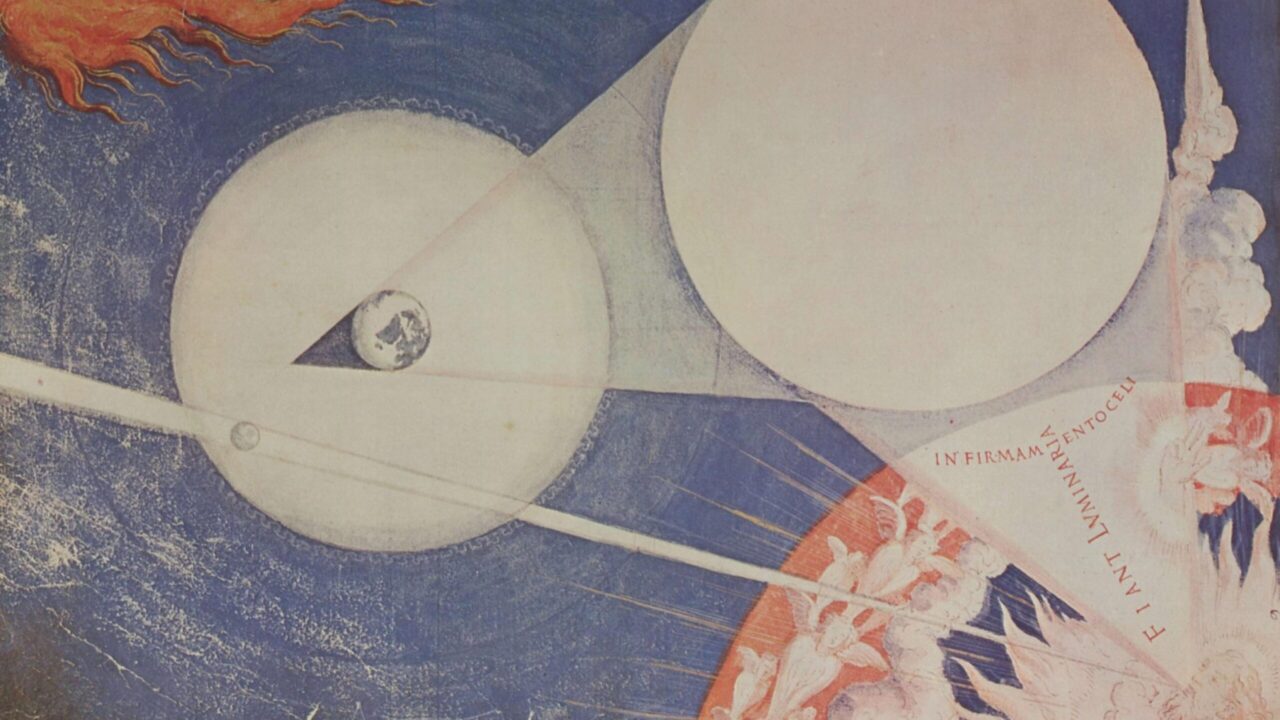
Seven times in 19 years, a leap month is added to the Jewish calendar. This is an amazing solution to the challenge of a lunar calendar. Since a lunar month is 29¼ to 29½ days long, the rabbis of old figured out that our holidays would soon slide through the entire year, slipping a day-ish a month. Pretty soon, Hanukkah would be in October, Passover in February, and we’d all be very confused. (The Muslim calendar is a lunar calendar, by the way, and festivals such as Ramadan move throughout the entire year.)
To avoid having our holidays move dramatically, our lunar calendar was given some solar corrections. And voila, the rabbis’ solution to the issue was to add a leap month seven times in 19 years. Problem solved! In the years when we do have a leap month, we need extra Torah portions to read. But in the years when we don’t have a leap month, we have four parashahs too many! And we need to double them up. Matot-Masei is one of those doublings that happens. Amazing, right?
The framework of a calendar for our entire people keeps us anchored and connected. Around the world, every Jewish community is reading the same Torah portion, which binds us together. In addition, the whole Jewish year hangs on the framework provided by the Torah readings. For example, we always read the story of Creation and our new beginnings on Simchat Torah, right after we’ve begun anew. We always read the story of Joseph in the pit — the darkest story — at the darkest time of the year, during Hanukkah.
As we read the Torah throughout the year, special holiday Torah readings interrupt and punctuate the rhythm of the story from Bereshit to Dvarim. The cadence of our Torah reading depends on the calendar. Twelve times in 19 years, we have four weeks with a double portion — lengthy readings that move the story along double time. This is one of those weeks.
Reading these two parashahs together, we know that this is not a year with a leap month. Which means that the holidays will fall a little bit earlier on the secular calendar than they did last year. Which means that the High Holidays will be here before you know it!