

Celebrating the High Holidays as a family takes some thought and planning, especially when it comes to keeping younger children engaged. There are plenty of community events for families throughout the Bay Area (check out our list of holiday events and volunteer opportunities here). I’m drawing on a decade of teaching experience to offer hands-on projects with holiday themes — and some educational value, too.
I’ve found that most young children enjoy art, science or cooking — and sometimes all three.
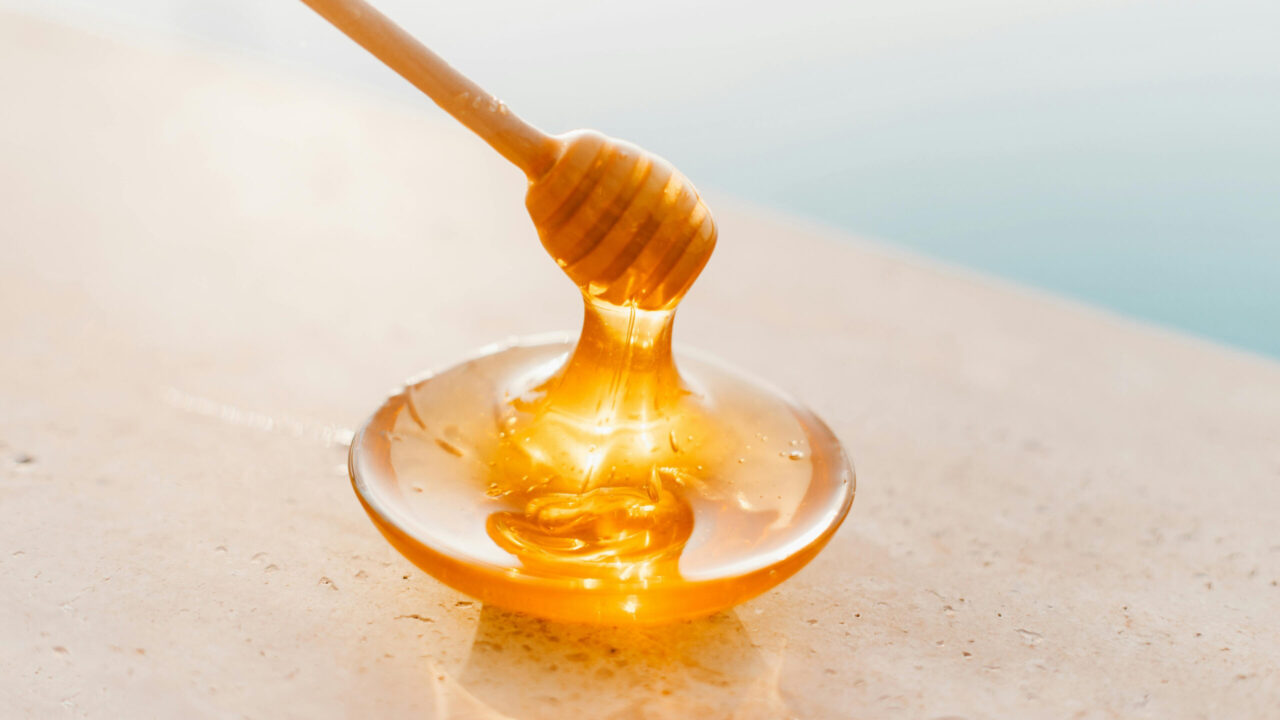
All of these Rosh Hashanah projects center around honey and bees. Take a field trip to your local grocery store or farmers market — maybe even the art store — and bring in a creative, sweet new year!
Art: Bee Fingerprints (ages 2 to 6)
Supplies:
- Yellow washable, nontoxic paint
- Black markers
- White construction paper or similar heavyweight paper
Steps:
- Paint the pad of your thumb yellow. For a less messy option, you can use washable markers to color in your thumbprint.
- Stamp your thumbprint on paper to create the bees’ bodies.
- Use the black markers to add stripes, wings, antennae, eyes and legs to the yellow bodies.
Optional discussion starters and extensions:
- Add tools like brushes, crayons and colored pencils, or other mediums such as pipe cleaners for legs and antennae, or cotton balls and glue for bodies.
- Use other colors to create new insects — a red thumbprint with black dots for a ladybug, or a green fingerprint for a caterpillar.
- When the project is dry, help your kids add a sweet phrase to their artwork, such as “Shana Tovah,” “Bee Kind” or “Bee Friendly.”
Cooking: Infused Honey (ages 5 and up)
Supplies:
- 1 cup honey
- Dried herbal add-ins like lavender or chamomile flower buds, cinnamon, orange peels, rosemary or thyme
- Large mason jar or any jar with a tight-fitting lid
- Large cheesecloth for straining
Steps:
- Fill the jar a quarter of the way with an herbal add-in. Use only one herb per jar so you don’t overwhelm the honey flavor.
- Fill the jar the rest of the way with honey. Use a spoon or chopsticks to mix the honey and herbs.
- Close the jar tightly and put it in a sunny window for at least a week. The longer it steeps, the stronger the flavor.
- Before eating, strain out all the herbs using cheesecloth. Store the infused honey in a cool, dark place.
Optional discussion starters and extensions:
- Serve the honey with apple slices.
- As a family, make a few different flavors of honey and taste them all. Who prefers which flavors?
- Children can pick their own herb and mix it with the honey, with supervision.
Science: Bee Landing Station (ages 8 and up)
Bees are known as “busy” for a reason. As they fly long distances from plant to plant, they need a place to rest. In this project, kids make a “landing station” where bees can take a break and get a drink. You might see some butterflies and ladybugs, too! Note to parents: This project requires close adult supervision, as children may come into contact with bees. Make sure they know to give them plenty of space.
Supplies:
- Wide, shallow saucer, such as a terracotta dish or pie tin
- Landing materials, such as marbles, pebbles, small rocks, twigs
- Fresh water for the bees to drink
Steps:
- Arrange landing materials in the saucer.
- Fill with fresh water about halfway, making sure that the landing materials’ surfaces are above the water so bees have a place to land. Note that bees will use scent, not sight, to find their way to water. Help them by adding some wet earth or moss to the water.
- Place in a sunny but not windy spot close to flowers.
Optional discussion starters and extensions:
- Add some artistic flair to your saucer. Before filling it with water and materials, decorate it with waterproof paint so it stands out in your yard.
- Make two stations and put them in different locations in your yard. Observe what’s happening at each station: Is there more or less activity at different times of the day? Do other types of bugs use the station?
- Read about honeybees together to learn more about these vital insects. Why is it important that we help them survive? Answer: they pollinate plants and help farmers grow veggies and fruit for people to eat. I recommend “The Honeybee” by Kirsten Hall (ages 2-5) and “Honeybee: The Busy Life of Apis Mellifera” by Candace Fleming (ages 6-9).
If your family enjoys these holiday activities and you’d like to share some of your own, send me an email at [email protected]. I might even include your ideas in a future newsletter for other families to enjoy, too!