
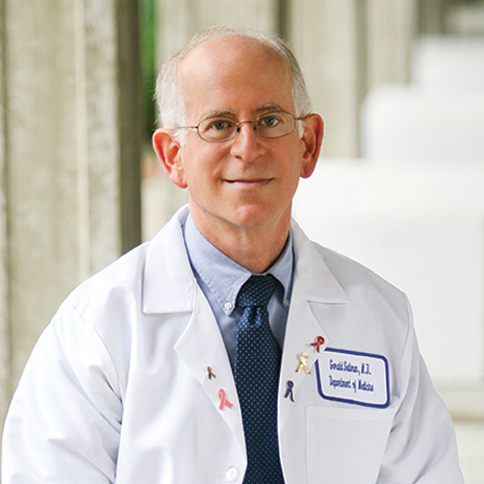
When I began my career at Kaiser Permanente in 1981, I noticed that there was an empty appointment slot every day at noon. I asked my medical assistant why, and she informed me that time slot was reserved for making a home visit.
Soon thereafter, I received a phone call from a patient (whom I will call Jacob) with a cardiac condition that made him too weak to come to the clinic. I decided to make a house call.
Jacob, a gray-whiskered Dutch American in his late 60s, was a pleasant man. While I examined him, his wife and son stood together in a corner of the bedroom, their faces fraught with worry. Jacob had a heart condition called cardiomyopathy, and there were not many treatment options for him. I made some minor medication adjustments. He died about two weeks later.
His wife was so appreciative that I had come to see him that she knit booties for my newborn twin daughters. She was also my patient, and she continued to bring booties to every medical visit for years. Jacob’s son became my patient too, and 30 years later he told me he still remembered and appreciated my visiting his dad.
I spoke with medical colleagues after I made that home visit, and their reaction surprised me. They explained that the home health department sent out nurses for home visits, and if a patient really needed a visit from a doctor, there was a home health physician assigned that role. In other words, it was not the culture for doctors to make house calls despite having an open slot in my schedule.
It took more than a decade for me to find the initiative to see patients in their homes again. But it began to bother me that I never had the opportunity to say goodbye to patients whom I enrolled in hospice care.
Whenever a hospice patient of mine died, I was notified by a hospice nurse. Even though I always telephoned a family member to express my condolences, I still felt a lack of resolution. I needed to rectify this.
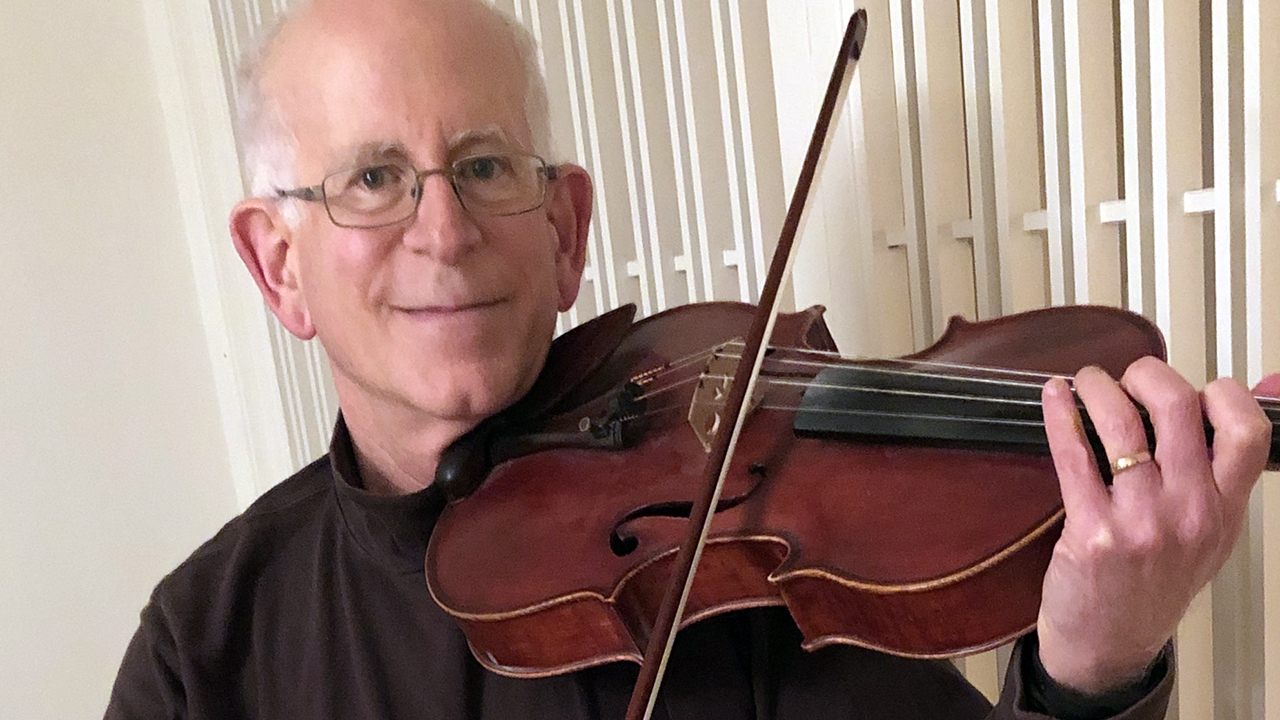
The first hospice patient I visited was an Italian woman whom I will call Lucia. She was in her mid-70s and dying of metastatic endometrial cancer. I felt self-conscious just showing up to say goodbye, so I asked her family members if I could bring my viola and play some music for her. They were delighted.
Playing music for a patient seemed like a perfectly natural way for me to express my care and affection since I have played either violin or viola in community orchestras most of my life. Following a Sunday afternoon concert, I came in my tuxedo to visit Lucia. She lived on a quiet street in Hillsborough, and oddly, it was hard to find parking. I thought to myself that someone must be having a party.
When I rang the doorbell of Lucia’s home, I was ushered in by her son and led to her large bedroom. There must have been at least 40 family members and friends gathered, apparently waiting for me. Then I understood why I had trouble finding a place to park.
Lucia was propped up in her bed, and she was wearing bright red lipstick that contrasted with her pallid face. She was alert and appeared comfortable. I thought about what I could play for her considering her condition and the mood of her visitors. I decided to play some selections from J.S. Bach Suite No. 1, in G major.
When I finished playing, Lucia’s family expressed their gratitude and then escorted me to their kitchen for a glass of Chianti and a slice of fresh homemade peach pie. While my tastebuds sent off pleasure signals, I had the added reward to learn more about Lucia while I ate.
Sadly, she died two days later.
During my medical career, I made 20 such farewell visits. Playing music for a hospice patient is analogous to the ending of a musical composition called a coda, a final passage that gives a definitive and satisfactory conclusion.
I have played in numerous concerts throughout my lifetime, and the private performances for my patients at the waning time in their lives have been among the most moving of all for me.