
In 1998, the Vatican opened its vast files on the Inquisition. At last the world would discover the full and terrible scope of the Catholic Church’s centuries-long campaign to control religious thought, dominate believers and nonbelievers and maintain papal power.
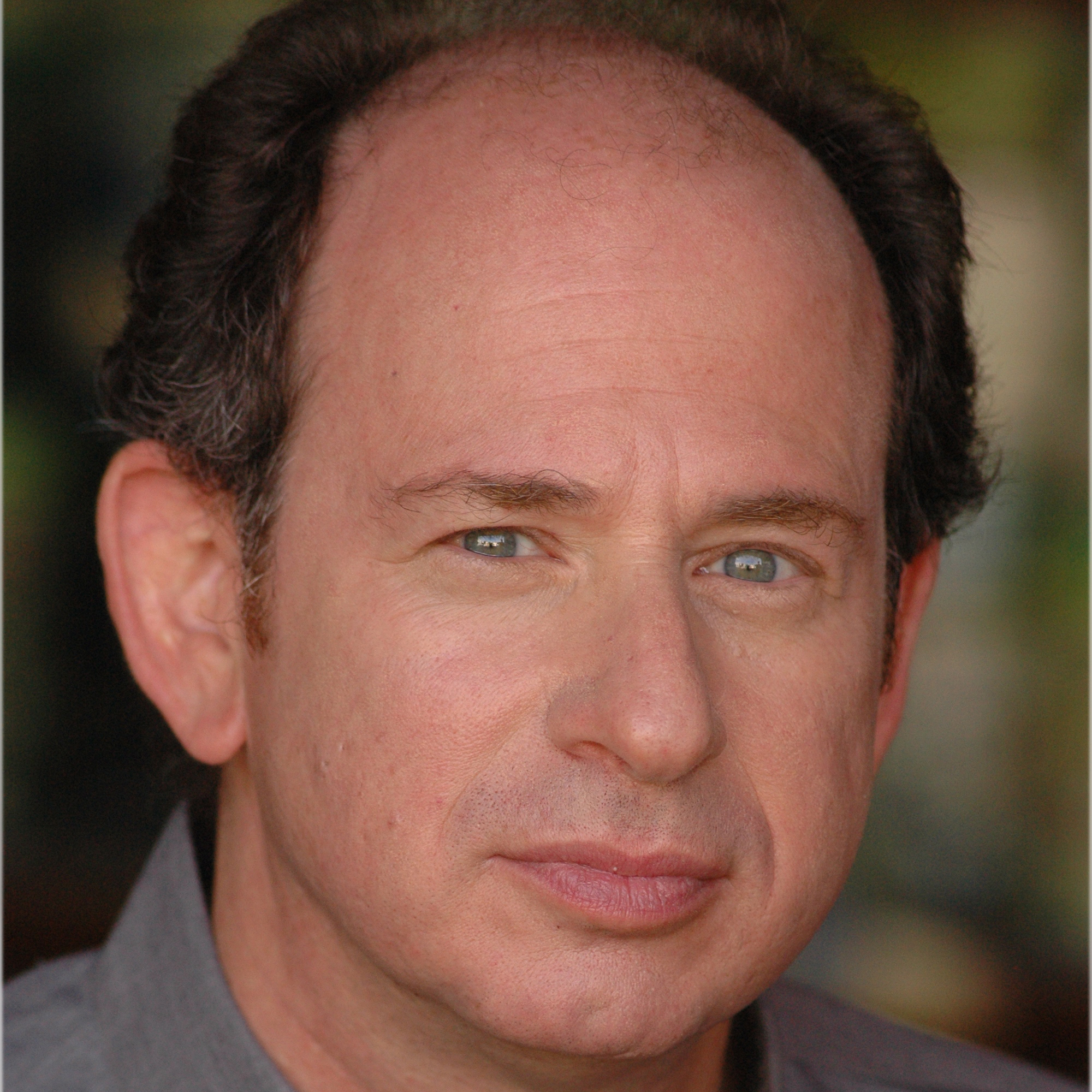
Veteran public television executive and director David Rabinovitch dove into the archives, but what he brought back is of minimal value. There is much the Vatican has to answer for, but the stultifying boondoggle “Secret Files of the Inquisition,” a two-part, four-hour docudrama airing this month on KQED, lays nothing at the door of St. Peter’s.
Rabinovitch’s approach is a blend of droning narration, period recreations of specific cases and interviews with a handful of legit historians plus the Rev. Joseph di Noia, a Vatican apologist whose official title is Undersecretary of the Congregation for the Doctrine of Faith.
For Jewish viewers, the second and fourth episodes are of greatest (though still minimal) interest. “The Tears of Spain” centers on the Spanish Inquisition, which was pushed and overseen by Queen Isabella and King Ferdinand, while “The End of the Inquisition” spotlights the church’s 19th-century kidnapping of a Jewish boy.
“Tears” reminds us that Jews, Muslims and Christians lived peacefully for centuries on the Iberian Peninsula until priests called for the compulsory conversion of Jews in 1391. “Convert or die” was the slogan of the day, and naturally most chose the former.
Over the next several decades, the baptized Jews or “conversos” evolved into the new middle class. They became the object of envy and suspicion, which fostered the policy of terror and interrogation that the infamous Torquemada directed.
Each of the film’s episodes incorporates the specific stories of everyday people, though with little emotional power and less educational impact. This segment recounts the story of Cinfa and Jacob Cocovi, who had a public Christian wedding and a private Jewish ceremony. They lived secretly as Jews, which infuriated Torquemada and ultimately led to Jacob’s public burning. As portrayed in this docudrama, he recites the Sh’ma while the flames rise.
In 1492, Torquemada asked Fernando and Isabella to expel all Jews from Spain. They were given three months to leave.
The final episode, “The End of the Inquisition,” revisits the seizure of the Jewish boy Edgardo Mortara in Bologna in 1858. The church’s justification is that he had once been baptized and was no longer Jewish.
How did it come by this alleged information? Edgardo’s father tracks down a maid the family had employed several years before, who confesses that she did “baptize” the boy when he was seriously ill. It’s dubious whether her sprinkling some water on the boy qualifies as a baptism, and the program further undermines the church’s position by insinuating that the maid was paid for her testimony.
The elder Mortara’s relentless efforts to publicize the injustice and regain custody of his son are only partially successful. The New York Times runs more than 20 stories in a one-month period, but the church neither admits a mistake nor relinquishes Edgardo. He is ordained as a priest at 21.
The filmmaker was initially leery of the church’s reaction. One of the first calls Rabinovitch made after conceiving the idea of the docudrama was to an old friend and high Catholic dignitary in San Francisco.
How would Catholics in general, and the Vatican in particular, feel about the grandson of Russian Jewish immigrants making a probing film about the church’s questionable past, asked Rabinovitch.
“I know your ability and your integrity,” answered the dignitary. “Go for it.”
“Secret Files of the Inquisition” is an ambitious project with nice production values that sustain the viewer’s visual interest for a while, but fail to bring history to life. Tone-wise, the program lacks the vibe of an exposé. The producer and the historians clearly condemn the church and the Inquisition, but without anger, indignation or any kind of juice.
There is some important information here and a fistful of insights, but the overall presentation is unsatisfying.
Although not its intent, the program does leave the viewer wondering if the Nazis, likewise infamous for keeping obsessive records, creating ghettos and expelling and murdering Jews, consciously adopted some of the church’s strategy and tactics.
“Secret Files of the Inquisition” airs at 9 p.m. Wednesday, May 9 and Wednesday, May 16 on KQED Channel 9.