
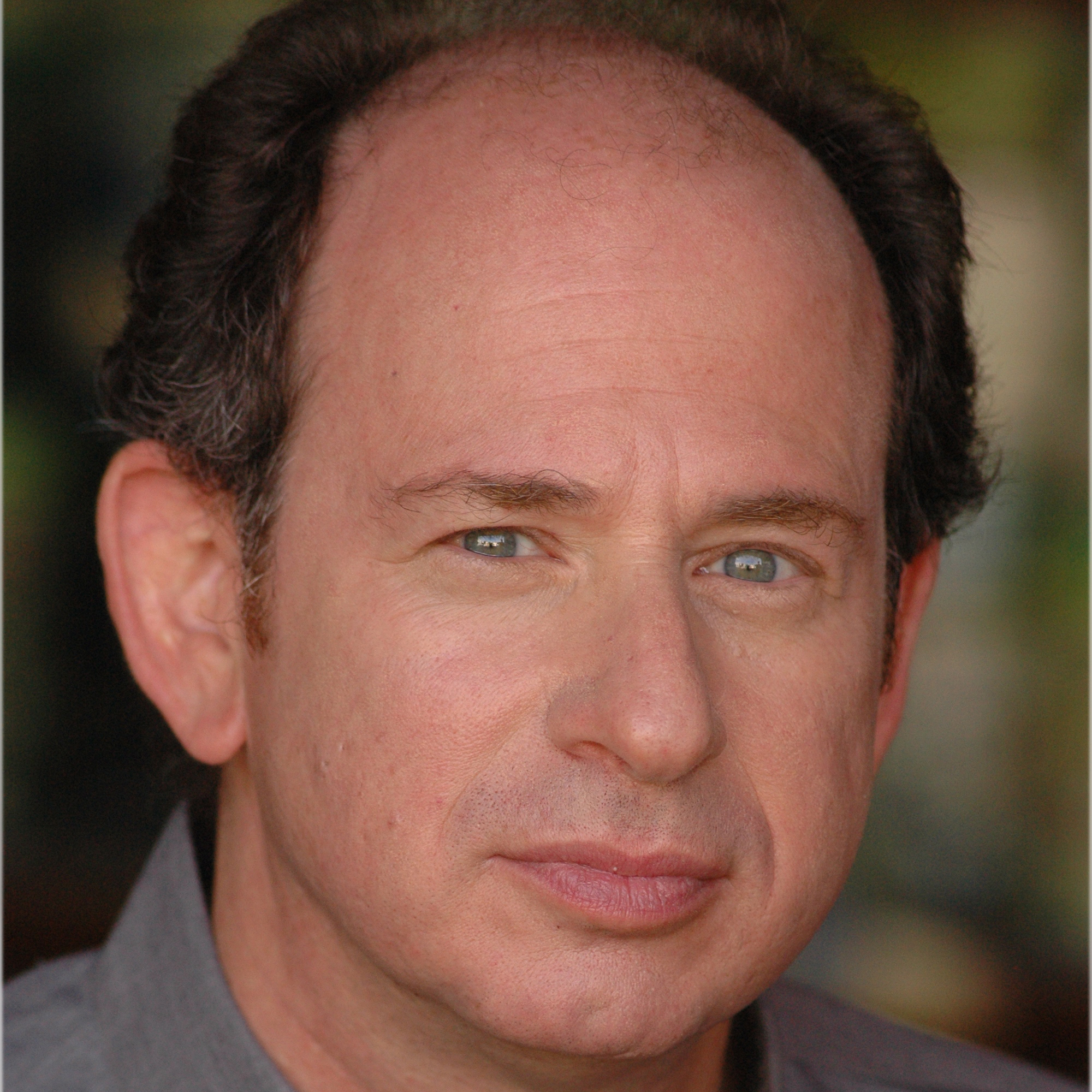
The outstanding French film “A Secret” (“Un Secret”) uses a haunting family mystery to delve into the Holocaust and its echoes.
One of the best films of the year, “A Secret” should not be missed. It opens Friday, Oct. 24 at various Bay Area theaters.
François (played as a boy by Valentin Vigourt and Quentin Dubuis) is a gawky, geeky French youth who deals with his athletic father’s disappointment by inventing a strong older brother. Unwittingly, this innocent act of imagination cracks the lid on a haunting family mystery.
Moving backward and forward in time, director Claude Miller’s adaptation of Philippe Grimbert’s autobiographical novel (published in the United States as “Memory”) works beautifully as a touching reflection on the burden of being the child of survivors, a pitch-perfect prewar and wartime chronicle and a pointed critique of current French anti-Semitism, all in one elegantly structured film.
The adult François (Mathieu Amalric nails the role) narrates the story with the maturity of an adult bearing the lingering scars of childhood. There’s not much nostalgia in François’ voice, but ample recognition that the world of adults is often impenetrable to children.
His assimilated parents are fit, beautiful people, proud of and comfortable in their bodies, and therefore always a bit alien to him. His broad-shouldered father, Maxime (Patrick Bruel), typically looks at François with puzzlement and disdain, as if the slight, bookish lad couldn’t be his offspring.
It’s only when the boy finds a toy animal in a suitcase in the attic that the truth begins to emerge — namely that François entered this world, and this family, in the shadow of a previous child he never knew and can never measure up to.
There’s a whole lot more to “A Secret” than a family mystery, an inferiority complex and a gaping gulf between father and son. The film revisits the difficult choices French Jews had to make during the Nazi occupation, and the unforeseen consequences of those choices.
Although “A Secret” doesn’t suggest that only the fit survived, there is an unwavering emphasis — embodied by François’ parents — on physical strength, sexual desire and life force. It can be construed as an affirmation of strength in contrast to the victim role assigned to Jews in most Holocaust films, or as a proud, earthy, erotic and distinctly French interpretation of “Am Yisrael Chai.”
The main theme of the movie — selective memory — is hinted at in the opening reels but not fully revealed until the epilogue. On one hand, Miller sympathizes with the urge of survivors to live in the present and stow the past in the attic. Yet he is disgusted by France’s amnesia over events that occurred 65 years ago.
For all the latent tension between François and his father, the film owes its abundant heart and soul to a trio of memorable female characters. The boy admires his elegant mother, Tania (Cécile De France), but he confides in Louise (Julie Depardieu), an unattached lesbian friend of the family who lives across the street. In the extended flashback scenes, the soft, winsome Ludivine Sagnier shines as Hannah, Maxime’s mysterious first wife.
“A Secret” achieves a beautiful balance of intellect and emotion, as it draws the viewer into the center of the family dynamic. In its final 30 seconds, it abruptly becomes a message movie, to chilling effect.
As good as the film is to that point, it’s the closing sequence that propels “A Secret” into the canon of great movies about the Holocaust.
“A Secret” opens Friday, Oct. 24 at the Presidio in San Francisco, Elmwood in Berkeley and Smith Rafael Film Center in San Rafael. It also screens Nov. 2 at the Silicon Valley Jewish Film Festival in San Jose and Nov. 11 at the JCC East Bay in Berkeley.