
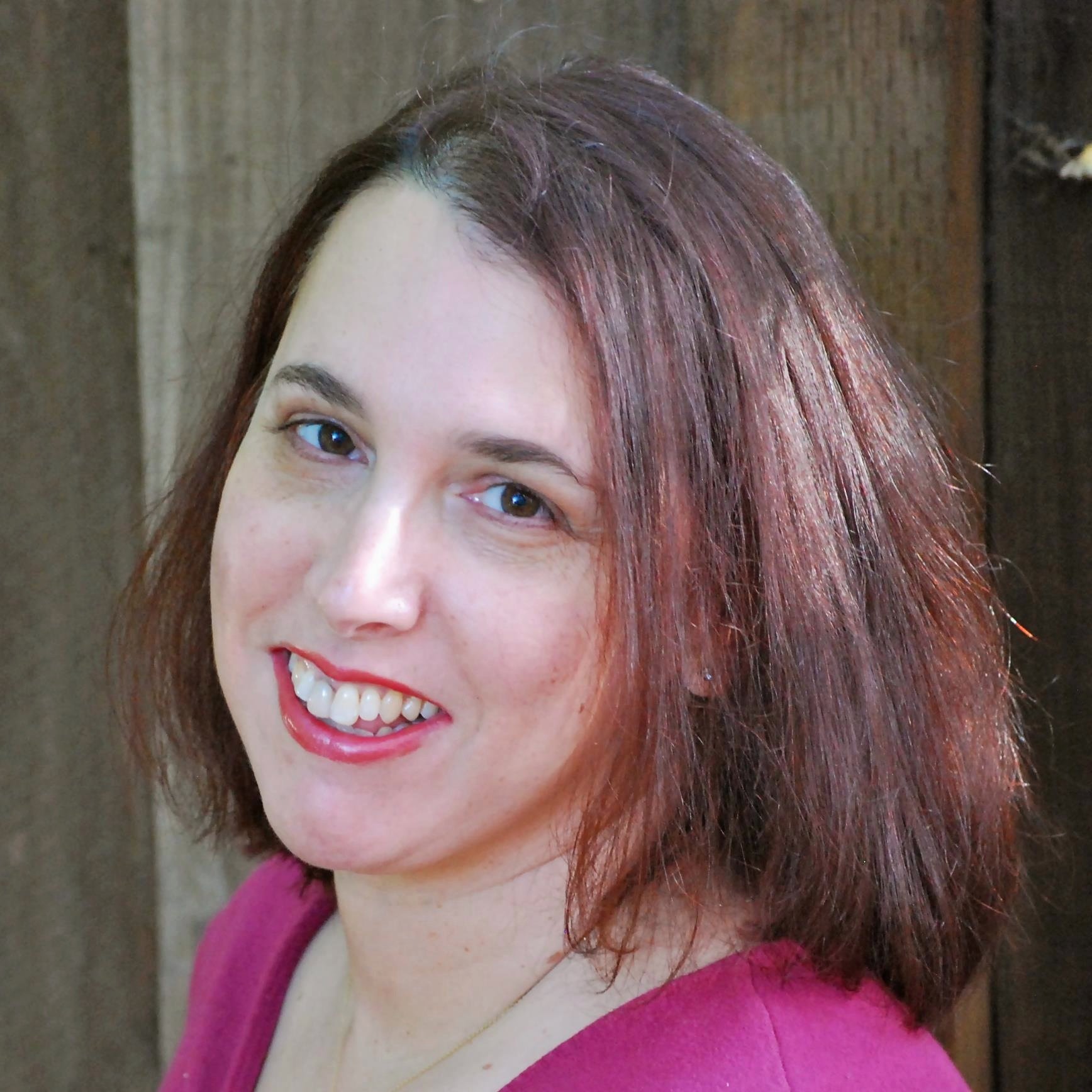
Julie Bernstein decided that it was finally time to speak publicly about how her father died.
So while in Washington, D.C., in March, she joined the National Council of Jewish Women’s lobbying effort for gun violence prevention. She knew sharing her personal story would help get the attention of staffers in the offices of House Minority Leader Nancy Pelosi and Sens. Dianne Feinstein and Barbara Boxer.
Bernstein decided to tell her story again on April 16 in Sacramento. In that instance, she gave testimony before a state Senate committee in support of a bill to prohibit the future sale, purchase, manufacture, importation or transfer in California of semi-automatic rifles that can accept detachable magazines.
“I had never spoken publicly about it, but I knew that telling a personal story is the most effective way of speaking to elected officials,” said Bernstein, a native of San Francisco and a Jewish community professional.
What Bernstein told the politicians was that her father, Jerry Bernstein, was murdered in 1991 by a business associate who had come to a meeting at his Noe Valley office with a gun. The man shot and killed Bernstein and another business associate before turning the gun on himself.
“I was 10 years old and a student at Brandeis Hillel Day School at the time,” recalled Bernstein, now 32. “It was a very public event. It happened at a time when it wasn’t common for people to settle differences by shooting each other. Today, unfortunately, it’s not so unusual.”
Bernstein worked at the S.F.-based Jewish Community Relations Council from 2007 until 2011, then moved to New York to help launch the Israel Action Network, a national hub for Israel education and advocacy.
Upon returning last year to San Francisco, where she is working as a nonprofit consultant, she was drawn to NCJW when she started looking for ways to engage in community advocacy.
“I became aware of NCJW’s national work when I was in New York, and I felt it was a good match for me in terms of its being a progressive Jewish women’s issues group,” she said.
NCJW had been working for gun violence prevention and sensible gun legislation for some time.
“Newtown was a huge catalyst,” said Janice Prudhomme, executive director of NCJW in San Francisco, about the group’s lobbying efforts. “But gun violence prevention has long been an issue for us, as it has been for other Jewish organizations.”
On May 6 in Sacramento, eight NCJW members from San Francisco joined approximately 50 other NCJW representatives from around the state to lobby for gun violence prevention, as well as immigration and women’s health issues.
Bernstein was one of them. She made the trip to support Senate Bill 374, introduced by Sen. Darrell Steinberg, as it went before the Senate Committee on Appropriations after having been passed by the Committee on Public Safety on April 17.
As exciting as it has been for her to “feel the pulse of how things get done,” as Bernstein put it, she worries about the logistics that make it difficult for people to make their voices heard. “Things stretch out for something like eight hours. You realize when you sit there all day why more people aren’t able to get involved,” she said.
Also, she has been struck by the gender breakdown on support for gun control laws. “The supporters tend to overwhelmingly be moms and pediatricians, many of whom are women, and the opponents are mainly men,” she observed.
Getting involved in this issue has been eye-opening for Bernstein. She said she is surprised by how much people feel the need to have guns for recreation, and how much they fear having any of their gun rights taken away.
“I’m also amazed by how strongly they feel that guns will keep them safe, when for me, they are what made my world totally unsafe. To me, guns are something destructive and to be feared,” she said.
“It’s been challenging to speak about what happened to my father, but I’ve wanted to do it for my own healing process, and to pay tribute to my father,” Bernstein shared. “People need to know that you don’t just move on from these kind of things. We need to prevent any more of this kind of suffering.”