
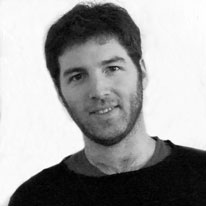
Zipping between meetings at Nairobi’s five-star hotels wearing a suit and tie, Gilad Millo looks every bit the ex-diplomat he is.
But looks can be deceiving: Though he may be balding and slightly pudgy, Millo is one of Kenya’s hottest pop stars.
He’s so popular, in fact, he’s known throughout the country simply as Gilad.
“The word ‘celebrity’ feels strange, but, yeah, people now ask me to pose for selfies with them,” Millo, the former deputy head of mission at the Israeli Embassy in Kenya, said by phone from his home in Nairobi.

Millo made his musical debut in April with the song “Unajua” — “Do You Know” in Kiswahili, one of Kenya’s two official languages.
By May, “Unajua,” a mellow tune about the lingering attachment of ex-lovers, topped the weekly chart of X FM, a popular Kenyan radio station, and stayed on the top-10 lists of other stations for months. By August, the track received a rave review in the Daily Nation, one of Kenya’s largest newspapers.
In the video, Millo walks with his bicycle and guitar around the Nairobi neighborhood where the song’s producer lives. A classier indoor set is used for the song’s guest artist, Wendy Kimani, a young Kenyan singer who rose to fame in 2008 as a finalist on the East African version of “American Idol.”
Kimani concedes that Millo doesn’t exactly have the look that Westerners would expect for an up-and-coming pop star. But in Kenya, “the masses are still quite rural, so they’re not so much into looks and fashion,” she said. “If someone has the music, that’s all that they care about.”
Plus, the song topped the charts before the video was released — so few people knew Millo was what East Africans call “mzungu,” a white man. “And even after, many couldn’t believe Gilad was really singing because few white people in Kenya speak Kiswahili,” she said.
Music has always been a major part of Millo’s life. In his 20s, he was a member of a Jerusalem rock band, White Donkey. Millo was planning to become a professional musician rather than follow in the footsteps of his late father, who served as a diplomat for 37 years.
But when Millo’s son was born, his wife, Hadas, said that “there’s no money in music and we need to find a real job,” Millo recalled in an interview last month with Israel’s Channel 2.
After working as a journalist, he became a diplomat in 2003. Millo served in Nairobi and Los Angeles before leaving Israel’s Foreign Ministry in 2008 and settling in Nairobi permanently.
“The connection with Kenya was instant,” he said. “I’ve never encountered a more open, generous people.”
On a quiet afternoon when his wife and teenage kids were away, Millo called a music producer he’d met through a friend and showed up at the studio with a song he wrote just “to see how it goes.”
“We realized we had a hit the second we finished recording,” Millo said.
Thanks to “Unajua,” he has landed dozens of guest appearances on Kenyan radio and TV shows. There he promotes his campaign about farming for the Balton CP Group — the British firm for which Millo works as head of business development and public relations. The company represents mostly Israeli agriculture and communications companies.
“After we establish that I’m white, that I sing in Kiswahili and that this place is home for me, there’s still 10 minutes of airtime,” Millo said, “so the interviewers and I often go into other things that I’m passionate about.”
Called “Farming is Cool,” his company’s campaign tries to appeal to the millions of young Africans who swapped their now-aging rural communities in favor of the perceived opportunities of big metropolises like Nairobi and its suburbs. The aim is to attract young people to more sustainable and advanced agriculture.
Last month, Millo released his second single, “Sema Milele” (“Say Forever”), which the well-respected online magazine Afrika Nmbiu crowned as “the perfect wedding song.” He is working on a third single with a Kenyan artist, 22-year-old HK Gachago.
Millo said he’s not yet making money from his music. Whatever income his musical career may generate, he hopes to donate to help empower youth through farming.
Another cause is Israel for Africa, the nonprofit he and his family established in memory of his father that promotes Israeli innovation and culture in Africa.