
J. is a media sponsor of the San Francisco Jewish Film Festival. See full coverage here.
As I watched “Sabbath Queen,” I felt wrapped in it like a tallit and filled with it like a prayer.
This remarkable film about rabbi and drag queen Amichai Lau-Lavie — which gets its West Coast premiere July 28 at the San Francisco Jewish Film Festival — feels yin-yang to me. Not white on one side and black on the other, but laughter on one side and tears on the other. Jewish on one side and queer on the other. Grounded in tradition on one side, and profoundly innovative on the other.
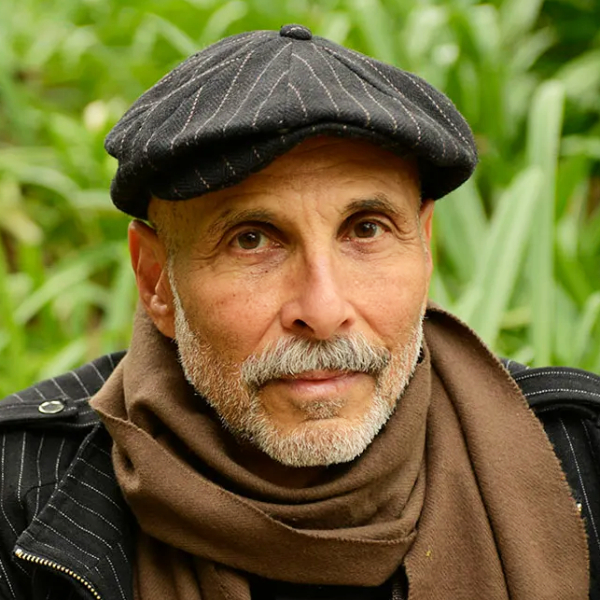
Lau-Lavie was born into an Orthodox family in Israel in 1969 and has been living in New York City since 1998. A descendant of Holocaust survivors and the heir to 38 generations of Orthodox rabbis, he’s related to two former Israeli Ashkenazi chief rabbis, Yisrael Meir Lau and David Lau.
But Lau-Lavie, 55, chose a different path. In 2016, he was ordained as a rabbi by the Conservative movement’s Jewish Theological Seminary in New York. He’s the founder and leader of Lab/Shul, an innovative Jewish spiritual community in Manhattan, and also the founder of Storahtelling, which uses theater and storytelling to expand our understanding of the relevancy of Torah, all of which we learn about in the film.
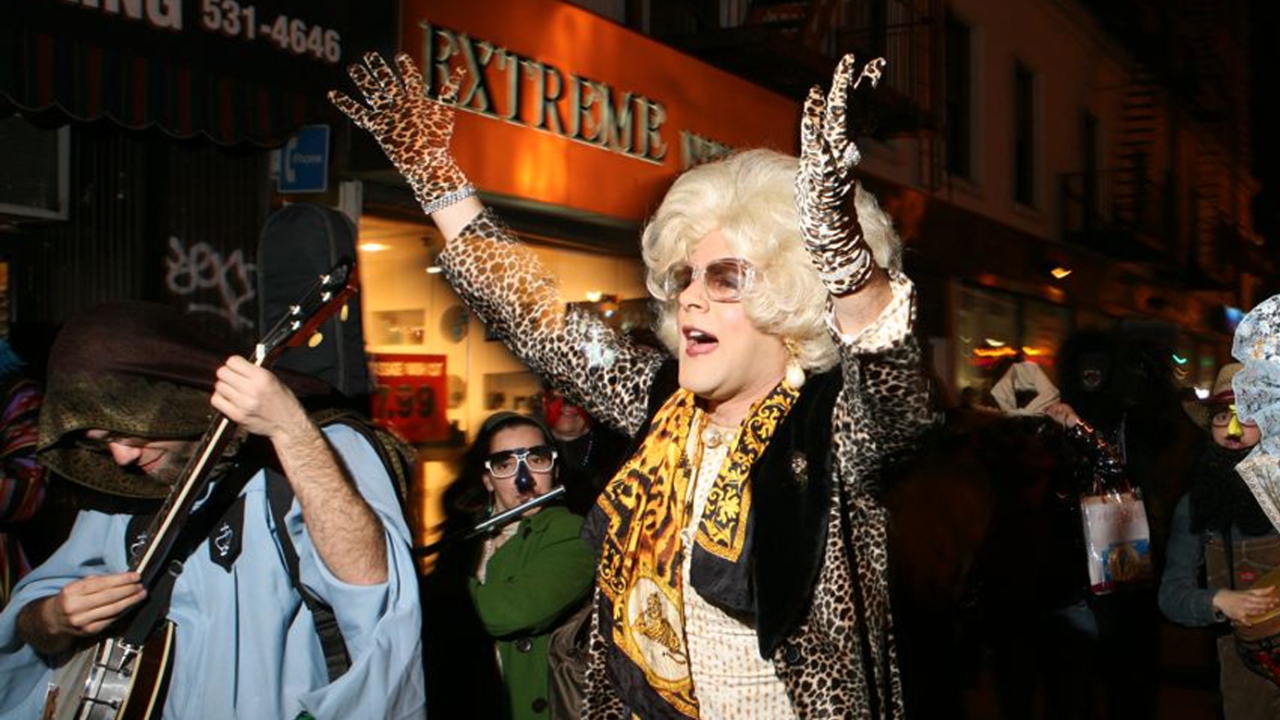
On top of that, Lau-Lavie has a drag alter ego, Rebbetzin Hadassah Gross, a wise widow of six — yes six! — Hasidic rabbis. “Sabbath Queen” refers both to the Sabbath Bride we invite in at the beginning of Shabbat and to the rebbetzin/rabbi who is the heart of the film.

Amazingly, documentarian Sandi DuBowski followed Lau-Lavie for 21 years, beginning when the latter was 33. DuBowski is best known for directing “Trembling Before G-d,” which explores the lives of Orthodox Jews working to integrate their queerness and their Jewishness, and for producing “A Jihad for Love,” which explores the lives of queer and trans Muslims.
In “Sabbath Queen,” DuBowski allows us to experience Lau-Lavie’s vulnerability when talking about Orthodoxy and gayness. There are also interviews with several of Lau-Lavie’s Orthodox relatives who share their thoughts about his queerness and his place and role in our tradition. I laughed and cried, I deepened and expanded, and you will too.
Lau-Lavie’s wisdom and capacity for connection are deep. Again and again he invites us to reach across boundaries — queer and not, Jewish and not, Jews/Israelis and Palestinians. In an interview last month after a screening at the Tribeca Film Festival, where “Sabbath Queen” had its world premiere, he said, “If there’s anything that people take from the film, I hope it’s the power of ‘and.’ What does it mean to stand with and with — with my people, and with all people. There is a messy middle. Let’s meet there.”
DuBowski’s film captures Lau-Lavie’s yin-yang genius at both standing in that messy middle and in inspiring others to do so as well.
It’s been my good fortune to have spent time with both men in the queer Jewish community and to have studied with Lau-Lavie in one of his Storahtelling trainings. Like him and like the film, I’m yin-yang-ish myself: paternally Orthodox/maternally communist, gay/Jewish.
When I was around 5, my maternal grandmother took me to see a movie at a theater in Brooklyn. I don’t remember what it was, but as the credits began and everyone started to leave, Nanny put a hand on my arm and said, “You think the stars are the people on the screen, but the stars are also all the people who made the movie.” So we sat in that dark 1950s theater, reading all the credits.
I invite you to do the same with “Sabbath Queen.”