

The Torah column is supported by a generous donation from Eve Gordon-Ramek in memory of Kenneth Gordon.
Vayikra
Leviticus 1:1-5:26
The Book of Exodus ends with the completion of the structure of the Tabernacle and all of its vessels and garments. This book, which we finished last week, is also known as “Sefer Hageulah — The Book of Redemption.”
It makes sense that the book’s beginning, which deals with the dramatic redemption from Egypt, should carry such a name. However, the second half of Exodus is dedicated almost entirely to the Tabernacle. How does that fit with the redemption?
Nachmanides suggests that the true redemption of the Jewish people was only complete once they had a structure through which they could relate to God and serve Him as their unitary deity. (Nachmanides’ introduction to the Book of Exodus)
Naturally, what follows this is a set of instructions that guide us in the function of the Tabernacle, which resides in the midst of the nation of Israel.
The Book of Vayikra, or Leviticus, which we begin this week, is a compendium of mitzvot, or commandments, directed at the Kohanim and the Levites. The mitzvot address the tribe that is charged with spiritual leadership and protection. This begins with a description of the animals that are considered kosher for sacrifice and proceeds to relay the laws of meal offerings.
Sacrifices were once commonplace in the world. Today we are challenged to relate to the idea of offering something up to God. However, there are still timeless lessons that can be gleaned from a look at the directives that are given in this book of the Torah.
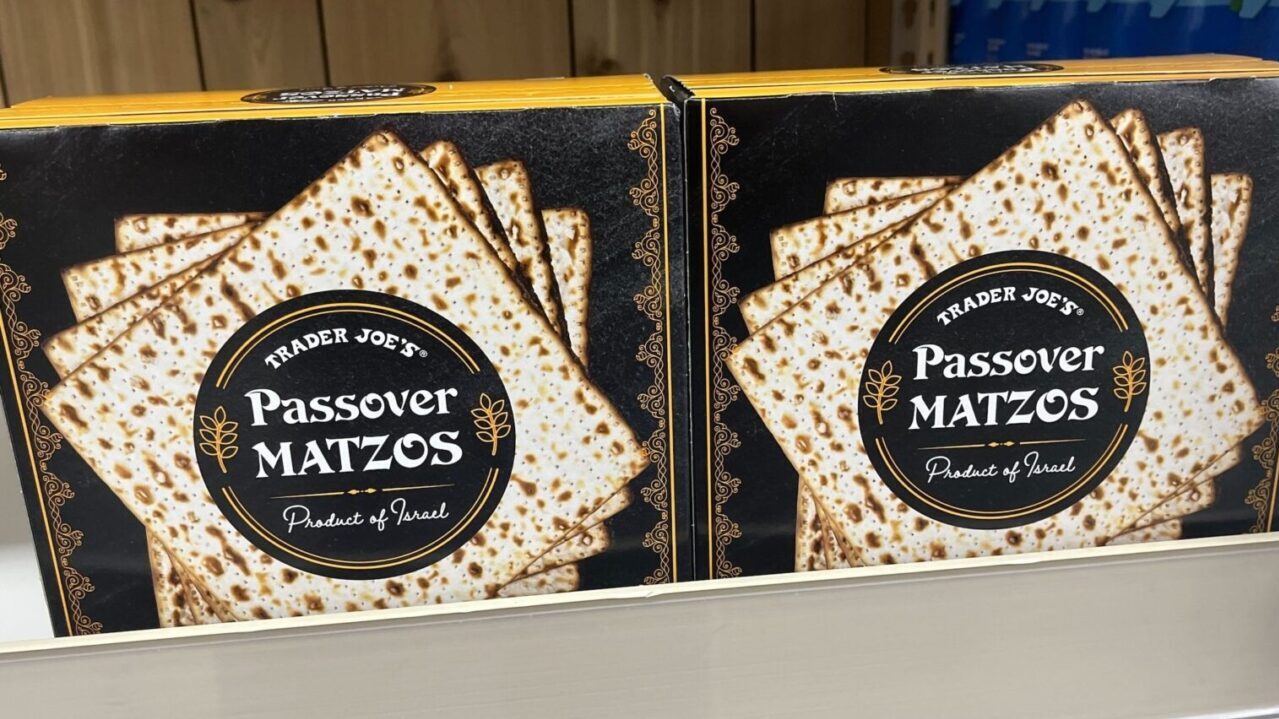
“Every meal offering that you will offer to Hashem should not be made of chametz, for all leavening and all [fruit] honey you should not burn with it, it is a fire-offering for Hashem.” (Leviticus 2:11) We are coming up on the holiday of Passover. Chametz (leavened food) is something that we take quite seriously in our preparation for the celebration. We eat matzah (the opposite of chametz) as a remembrance of our rush to leave Egypt. We are also told that we should make sure to rid our homes of any chametz. It seems from our parashah that there is more to chametz than just a detail in the story of the Exodus.
Nachmanides cites Maimonides in his explanation for the restrictions regarding chametz and fruit honey, such as date honey, in our meal offerings to Hashem. Since it was common practice among the idol worshippers to bring meal offerings that were made with leavening agents and to sweeten them with fruit, therefore we are commanded to avoid the additions of these items so that we do not resemble idolatry in our own practices. (Nachmanides, commentary on Leviticus 2:11).
There is another perspective on the idea of adding a leavening agent to our meal offerings. The Talmud in Tractate Brachot (page 17) says the following: “It is known and revealed before You that our will is to do Your Will, and what is preventing that? The leavening in the dough and the subjugation of exile are preventing it. Let it be Your Will that You should bring them to heel before us.”
It seems that leaven represents our evil inclination. The passage in the Talmud expresses two challenges to fulfilling the will of God. There is an internal battle with our yetzer hara (evil inclination), which is a combination of our drives and our temptations. There is also an external struggle with any ruling authorities that forbid us from following the Torah and its commandments.
Chametz represents that internal struggle.
When we bring offerings to God in the Tabernacle, and later in the Temple, we are told to avoid adding any chametz because we are not supposed to taint the flour and oil with the negativity of our own lusts and desires. Ultimately, we are meant to submit to God as the Higher Power and to approach Him with humility.
The prohibition of chametz on Passover is also intended to allow us to reflect on our personal growth and the relationship that we forge with God, who took us out of Egypt. Humility is a key ingredient in most relationships, and certainly it is a quality that we should strive to achieve as a spiritual pursuit. Passover is the time to focus on all of that as a people, just as the sacrifices were a time that allowed individuals to internalize the same lesson.