

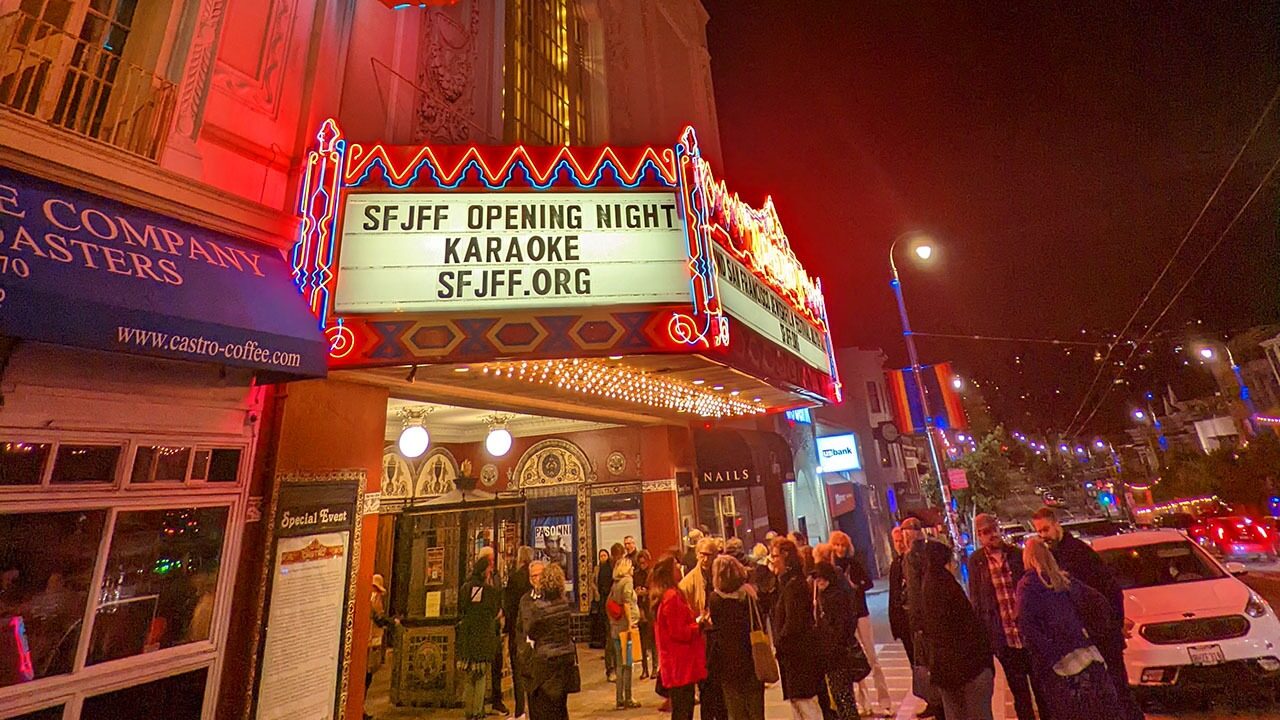
Lexi Leban, executive director of the Jewish Film Institute, told J. on Tuesday that the National Endowment for the Arts had rescinded both of the organization’s grants, totaling $55,000.
The notification to the JFI, which runs the San Francisco Jewish Film Festival, arrived in a May 2 email. While the news wasn’t entirely unexpected, Leban said, it was upsetting.
“It’s quite a shock,” she said.
The arts organization was one of many that have been informed they will lose grants as the Trump administration shifts its funding priorities. The decision is effective May 31.
It’s an abrupt volte face for the NEA, which supports arts organizations around the country through grants. Just last year, the NEA profiled JFI in its “Grant Spotlight” series in July, calling it a “vital platform for filmmakers at all stages of their careers.”
JFI not only puts on the San Francisco film festival, which is heading into its 45th year, but also supports filmmakers through grants and mentoring.
Leban said the two grants fund both programs.

“One supports the festival, and the other supports our filmmaker residency,” she said. “And while the NEA grants are not JFI’s primary source of income, the loss of these funds really puts pressure on the program.”
JFI’s annual budget in 2023 was $1.87 million, according to its most recently available tax filings.
The organization confirmed to J. that the grants rescinded by the NEA were across the 2024 and 2025 fiscal years. Leban also said JFI had recently submitted a new grant proposal, which she assumes won’t be approved.
JFI’s filmmaker residency program is an incubator of sorts for documentary filmmakers, who are selected through a competitive process. The filmmakers must be actively working on a project, and through JFI, they can get help with marketing, fundraising, production and more. Projects aided by the program have been nominated for Oscars, shown at Sundance and broadcast on TV.
The festival itself, founded in 1980, is a beloved part of the San Francisco film scene.
JFI — and all organizations that had grants rescinded, according to NPR — received an email from the NEA on May 2 about a change in grant priorities. The new focus includes projects that “elevate the Nation’s HBCUs and Hispanic Serving Institutions, celebrate the 250th anniversary of American independence, foster AI competency, empower houses of worship to serve communities, assist with disaster recovery, foster skilled trade jobs, make America healthy again, support the military and veterans, support Tribal communities, make the District of Columbia safe and beautiful, and support the economic development of Asian American communities.” HBCUs are historically Black colleges and universities.
In March, the NEA submitted a $210 million budget to Congress for the next fiscal year.
The NEA itself hasn’t yet been defunded — yet. However, President Donald Trump’s most recent budget proposal suggests eliminating the NEA altogether, along with the National Endowment for the Humanities, the Institute of Museum and Library Services and the Corporation for Public Broadcasting.
Nate Gellman, director of development and communications at JFI, said the role the institute plays in nurturing and launching filmmakers is even more important right now.
“We’re seeing a wider impact on the field of independent filmmaking, of course, from the termination of federal support for the arts,” he said. “We know filmmakers who have lost high six-figure grants.”
He added that the timing is bad for a sudden funding shift.
“We’re talking about a compounding challenge following the pandemic, which altered audience behaviors, which depressed earned income,” he said. “Box office attendance and live event attendance were really starting to rebound from those things.”
In the meantime, Leban said, the organization is reaching out to its supporters in the Jewish community and the film community.
“I’m very optimistic that we are not going to let this news deter us from continuing to have an amazing festival and an incredible residency,” she said.
But she added that the picture is much bigger than just JFI.
“A healthy, thriving society depends on a wonderfully robust arts landscape,” she said. “It’s all about democracy and pluralism and artistic expression.”