

The Torah column is supported by a generous donation from Eve Gordon-Ramek in memory of Kenneth Gordon.
Behar-Bechukotai
Leviticus 25:1-27:34
The public reading of the Torah this week consists of two parashahs: Behar and Bechukotai. Behar consists of one major theme: the Sabbatical and Jubilee years and all of their corresponding parameters. Bechukotai is famous for Moses’ admonition and warning of what the consequences are for forsaking our covenant with God.
There is a lesser-known section in the second parashah that discusses gifts that one would be motivated to pledge to God and His Temple. What insights can we glean from those verses tucked away behind the dramatic rebuke for which the parashah is famous?
Chapter 27 of Leviticus is where the instructions regarding valuations begin. The first set of verses lays down the amounts that one would have to donate to the Temple’s treasury if they pledge to give the value of a human being. There is a shekel amount required depending on the age and gender of the subject of the vow. There is no negotiating the required sum. It is set forth by the Torah the way that an insurance company sets forth compensation for workplace injuries.
What is unusual is the statement, “If he is too poor for the valuation, then he should be stood before the Kohen and the Kohen shall evaluate him. According to what the person articulating the vow can afford, he should be assessed by the Kohen.” (Leviticus 27:8)
We were just told that the amount that is owed is a fixed sum and then we are told that it is a variable based on the capacity of the giver. The Torah seems to understand the psychology of a donor. Often, people are overcome with a desire to give and to attach the gift to something meaningful (like the valuation of a person). But in their exuberance, they are not necessarily realistic about their means. If they would be told to take the time to rationally assess their own financial situation, their excitement to give might wane. The Torah is forgiving of the impulsive nature of pledging a donation and does not force someone to be held to a promise that they cannot afford.
The Torah does not stop there. “If one gives an animal from which an offering can be brought to God, everything that he gives to God will be holy. Do not trade it nor exchange it, neither from good to bad nor bad to good and if one does exchange it for another animal, then it and its replacement are both holy.” (Leviticus 27:9-10) Here is another keen insight into human nature. When one decides to donate to charity, specifically to be offered on the altar, one is not allowed to change their mind and keep the intended gift by replacing it with another one. The Torah speaks of animals and understands that someone might feel regret at giving their favorite one. We are warned that if we attempt to replace it, both the original and its replacement are now consecrated.
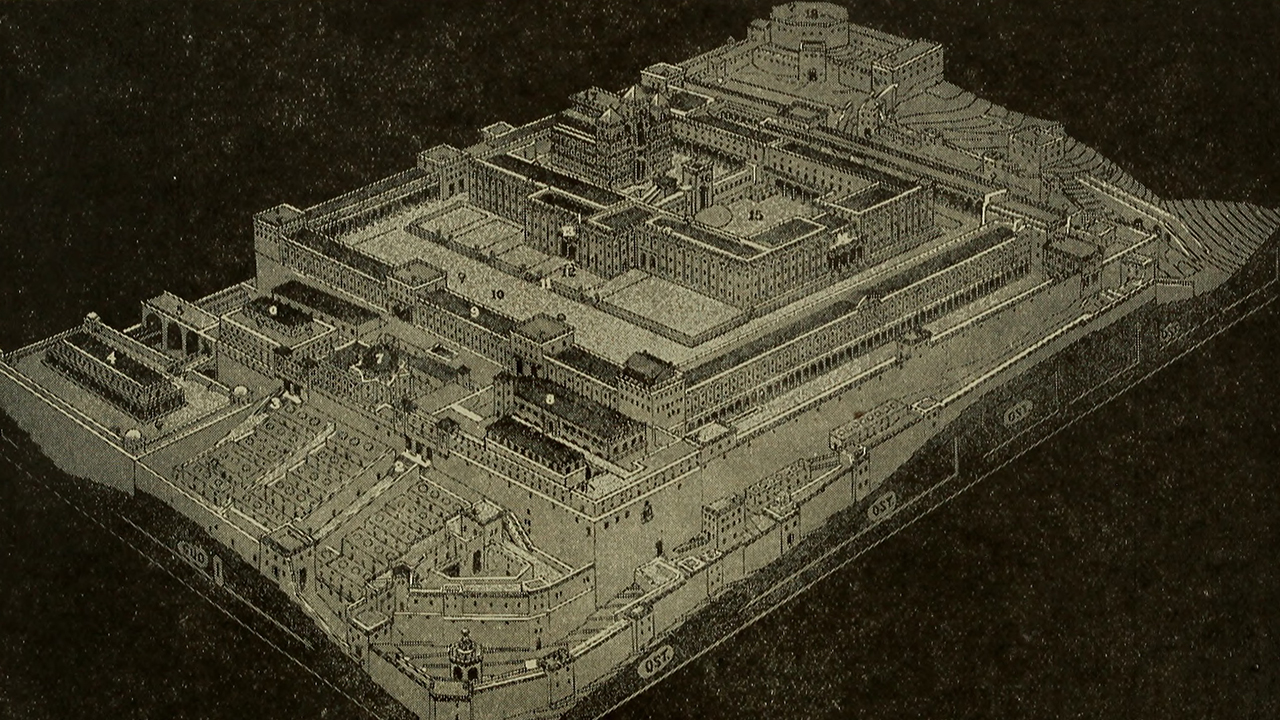
However, if one donates to the Temple treasury, the rules are different. One does have the opportunity to renege and redeem his or her property. How does the Torah prevent people from carelessly making promises that they can undo? The property must be assessed by a Kohen and then its value is increased by a fifth. (Leviticus 27:11-15) The increase is a penalty imposed on one who wishes to reclaim his or her own property back. The Kohanim of the Temple are allowed to sell consecrated property and use the funds for needs of the Temple, either its structure or function. In such a case, the value is assessed and there is no addition of the extra fifth.
We live at a time when we do not have the ability to give offerings at the Temple, nor to donate to the Temple’s treasury. We are, however, called upon to help support the community in various ways. There are thoughtful ways in which one can set their priorities, and the mores that emanate from the end of Parashat Bechukotai serve us well in our calibration of our moral compass to make sure that we are deliberate in our decisions to give tzedakah.