

The Torah column is supported by a generous donation from Eve Gordon-Ramek in memory of Kenneth Gordon.
Bamidbar
Numbers 1:1-4:20
This week, we begin a new book of the Torah. In Hebrew, it’s called Bamidbar, which literally means “In the desert.” The book’s English name is “Numbers.” The name comes from its first parashah, also called Bamidbar, which begins with the taking of a census.
In rabbinical school, I took a class devoted entirely to the Book of Numbers. I knew this book was about the wandering of the Israelites, so I didn’t think there would be too much action — just a lot of sand.
But by the end of the class, I had come to love Numbers. It is not filled with dramatic vignettes about colorful characters, like Genesis. It does not contain an epic story of a miracle that our people experienced, like Exodus. And it is not a law book, filled with the beginnings of our legal code, like Leviticus. Instead, this under-appreciated fourth book of the Torah is about the journey of our ancestors to peoplehood.
It is here that we experience the long and often frustrating journey that took 40 years. In the desert, the slow wandering of only a few miles, becomes the journey to a beautiful and lasting communal identity.
At the beginning of this week’s parashah, we find God instructing Moses to take a census of the Israelites. It begins, “God spoke to Moses in the Sinai Desert, in the Tent of Meeting, on the first day of the second month of the second year after their exodus from Egypt, saying ‘Take a census of the entire community of the Israelites by family.’”
The Torah asks: Who are we so far, a year and a month since the Exodus from Egypt?
We escaped slavery through the miraculous parting of the Red Sea and began our journey into the wilderness as a disparate group of people. We had to learn to survive together and to build a new society — one based in freedom. How would we live together? How would we become a community? God asks Moses to evaluate what has been accomplished during the previous year. How many people are with us?
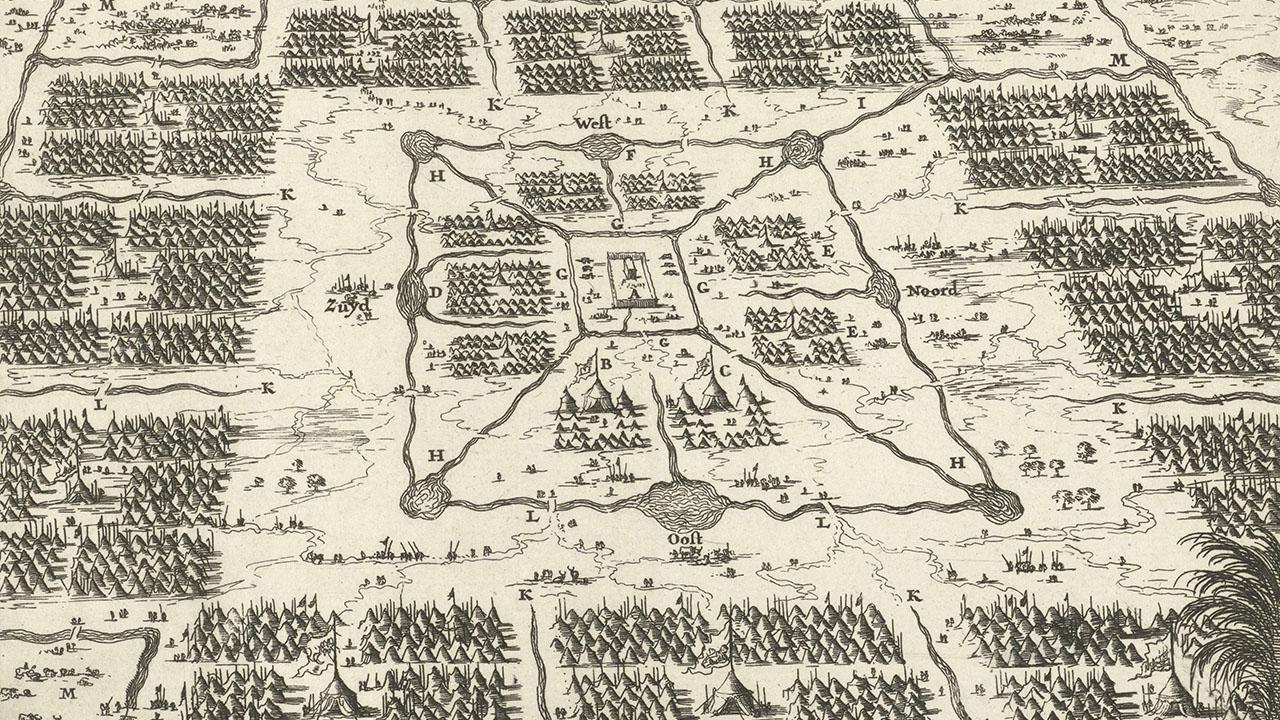
Chapter 2 of Numbers begins with a beautiful and detailed instruction to follow up on the census. Once everyone has been counted, they will be organized into camps by “the banner and insignias” of their family, tribe by tribe. Each tribe has a designated location in which to set up camp. Each tribe will dwell together beside their own banner.
Truth be told, in years past, I had not paid attention to the Hebrew word for “banner.” But this year, it jumped out at me. The Torah instructs the Israelites to camp “al diglo — each person by their own flag” and “b’otot l’veit avotam — with the symbol and insignia of their tribe.”
In the desert, with few resources, each tribe made a flag? Why? As the Israelites wandered, the tight tribal affiliations became the basis for a whole new society. Freed from slavery in great haste, people escaped into the desert without a common affiliation. The Book of Numbers changes everything. The journey described in this book establishes identity and loyalty to a shared society.
As I study this Torah portion, my desk is filled with literature about summer camp. As many Jewish kids are beginning to prepare for camp, I have been reading about bunks, T-shirts and color wars. I have been thinking about how a group of kids who don’t know each other at the beginning of the summer develop a group loyalty by the end.
Rashi explains the Torah’s instruction that each tribe must have a unique flag in this way: Each tribe will have “a colored cloth … the color of one not being like the color of the other.” I realized that the modern concept of summer camp color wars comes right from this parashah! Summer camp color wars do exactly what our ancestors did in the desert: develop a sense of team work, loyalty and belonging.
The Israelites had to wander in the desert for 40 years not because the distance they would travel to the land of Israel was so huge, but rather because the journey to becoming a community would take time. A sense of belonging and shared society needed to be built carefully. Slowly, the ancient Israelites developed a shared identity, first with their tribe and eventually, as a group of many tribes. And one day, there was a common story, a common society, a common goal, shared by all of the tribes.
Our Jewish people today is built on this foundation, the one the Israelites formed bamidbar — in the desert.