
Chol HaMoed Sukkot
Exodus 33:12–34:26
Ezekiel 38:18–39:7 (39:16) / Ecclesiastes
 Each Sukkot we read a poignant story from Torah about Moses following God’s directions through the trials of wilderness to see God’s face. God gently explains to Moses that he cannot see God’s face and live, but offers Moses a compromise: “See, there is a place near me. Station yourself on the rock, and, as my presence passes by, I will put you in a cleft of the rock and shield you with my hand until I have passed by. Then I will take My hand away and you will see my back, but my face must not be seen” (Exodus 33:21-23). After such a difficult journey together, Moses hopes to “know” God better. In these challenging days, Moses seeks God’s closeness.
During the holiday of Sukkot, we are instructed to dwell in the sukkah: fragile, temporary three-sided structures. These huts are reminiscent of the ones that shielded the Israelites from the elements as they journeyed through the wilderness. But the act is not just commemorative, it is also symbolic: In “The Jewish Way,” Rabbi Irving “Yitz” Greenberg writes: “By deliberately giving up solid construction, Jews admit their vulnerability and testify that the ultimate trust is in the Divine shelter.” Sukkot teaches us about the supports we build when we, like the Israelites, are vulnerable. The sukkah represents the Divine promise, the faith that if we stick to the plan and do as God asks, we will make it to the other side.
We understand why Moses wanted to better comprehend God. In difficult moments, God’s presence can be a comfort.
The Sifra (a rabbinic commentary on Leviticus) tells of a dispute between Rabbi Akiva and Rabbi Eliezer. Rabbi Akiva says that “the sukkot in which God instructed the Israelites to dwell were made of clouds of glory.” In other words, for those who are as vulnerable as the Israelites were in the wilderness, God can be the protective shelter and shade. When we feel unmoored, God can plant us firmly on the ground. But for Rabbi Eliezer, who comments first in the Sifra, the sukkot are not clouds of glory at all. He says that the text is referring to the actual huts. The sukkot are not heavenly, but earthly. God made the Israelites dwell in tangible structures for protection. We can interpret from Rabbi Eliezer that it took more than faith to keep the Israelites safe from the desert winds — and it takes more than faith to bring us through our difficult times (Sifra Emor 17:11).
As we sit in our sukkot, it is customary to invite ushpizin, or guests. Traditionally, these are spiritual guests: patriarchs and matriarchs who come to join us. In each of their stories, these characters encounter their own vulnerable moments. For example, we set a place for Abraham, who leaves his father’s house trusting God to show him the way. We can also welcome Miriam into our sukkah, who rejoices with the Israelites on their journey from slavery to freedom. So many of our spiritual ancestors encountered times when they, too, felt lost or disconnected.
From this tradition of welcoming our spiritual guests, we also ritualize the invitation of family and friends for a shared meal or a night under the stars in our sukkah. And as we huddle together to keep warm from wind and chill, the embrace of those who care comforts us.
Whether our sukkah is like Rabbi Eliezer’s physical structure, or like Rabbi Akiva’s Godly dwelling, we know that we are less vulnerable when those we love hold us up. The ushpizin in our lives make us stronger, better able to face the elements outside.
When we seek God we may find that we cannot get close enough. It sometimes feels as though we only see God’s back. However, Sukkot and the ritual of ushpizin teach us that to see God’s face we need only to look into the faces of our friends and loved ones. In their eyes we find both physical and spiritual grounding. In their company we find the companionship we need as we wander in our own personal wilderness. This Sukkot, may we turn to those in our lives who help us find meaning as we wander along the way. When we hunker down together in our vulnerable, fragile spaces we remember that Sukkot is not a fearful time; rather, this zman simchateinu is a time for rejoicing.
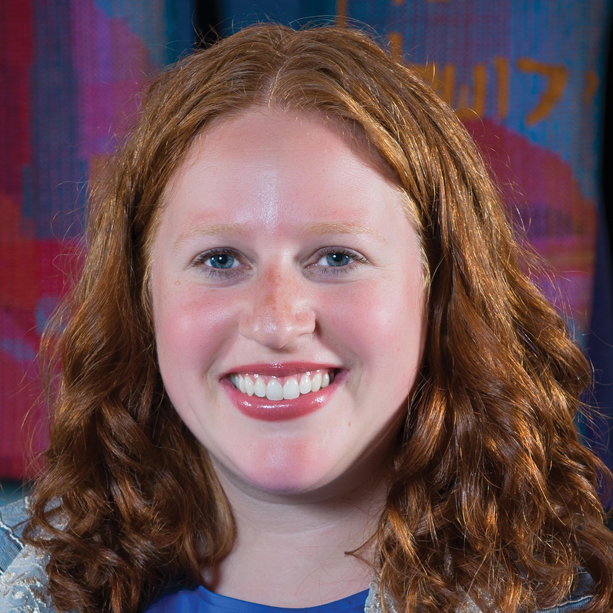
Rabbi Sara Mason-Barkin is an associate rabbi and educator at Peninsula Temple Beth El in San Mateo. She can be reached at [email protected].