
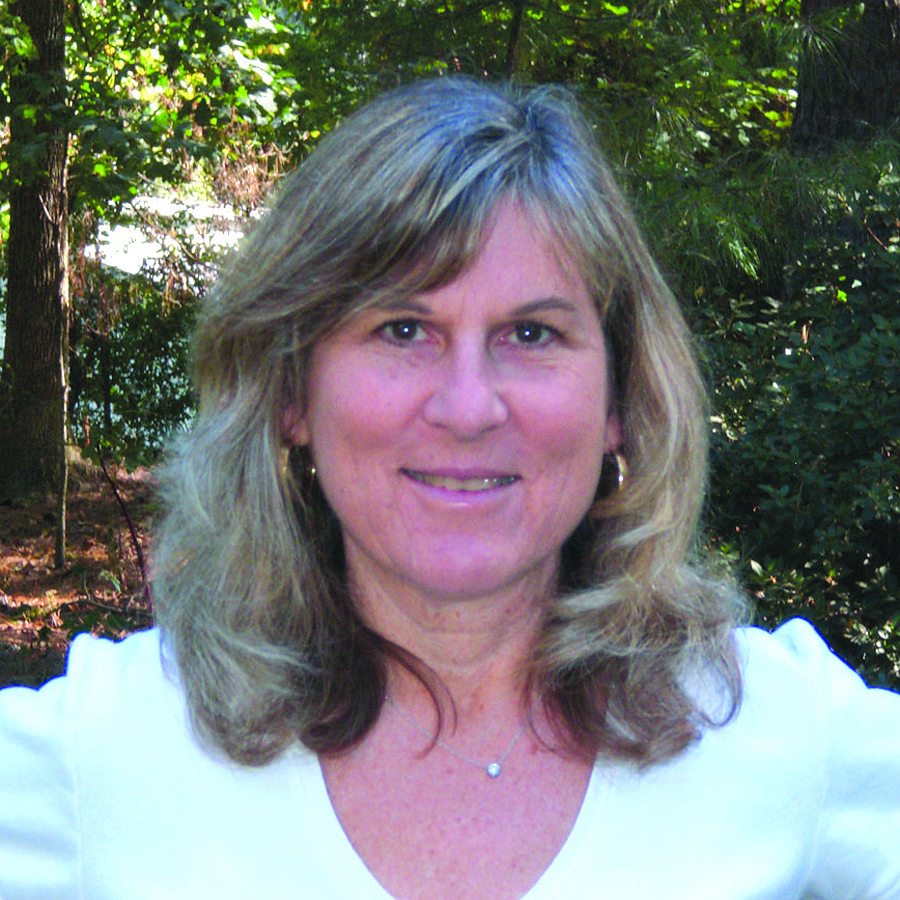
It was the idleness, the feeling of not being needed, that drove Emiliya Gaft to begin volunteering shortly after she and her husband immigrated to San Francisco from Ukraine in May 1993.
“Of course I was looking for a job, but at my age it was very hard to find one. And I didn’t want to sit at home,” said Gaft, who was then in her upper 50s.
Within days, she contacted the S.F.-based Jewish Family and Children’s Services — “it was the only organization that I knew” — and began volunteering.
Gaft, who taught English in her homeland, was immediately set to task using her translation skills to help other Russian-speaking emigres in a multitude of ways. She still volunteers at JFCS, as well as at the Jewish Home for the Aged where she also has a paid job.
She is one of a growing number of emigres in the Bay Area who are volunteering to help other emigres, mainly through Jewish social-service organizations.
“It helps everybody, and it really helps create a much greater sense of community,” said Barbara Nelson, director of resettlement and immigration services at Jewish Family and Children’s Services of the Greater East Bay. “We have a whole corps of volunteers, and they do everything from plan events, to make phone calls and provide transportation.”
JFCS volunteers have helped craft a strong fabric of activities that strengthen and support the East Bay emigre community, according to Nelson. That includes a Russian-language newsletter, a Russian library (in collaboration with the Contra Costa Public Library), vocational mentoring and social events.
The emigre volunteers are all ages, male and female. They are a particularly organized and energetic bunch, Nelson said.
“We have one older woman, a former physician, who always visits people and helps organize activities.” Nelson counts on one man who repeatedly “rearranges his work schedule, and really goes out of his way” to take pictures at events. Some give talks in their field of expertise, others help with simple chores.
When Nelson joined JFCS in 1990, “we had a strong group of American volunteers,” she said.
“In the years gone by, I feel like the Russian community has really taken over. That’s a very interesting and very positive shift.”
Irina Ilinets, whose family emigrated from Kazakhstan nearly five years ago, hooked up with the Mitzvah Teen Volunteer Program at the S.F.-based JFCS four years ago through her day school, Hebrew Academy.
Ilinets, now 18, finds the experience broadening both emotionally and practically.
“Here, people are helping us [emigres], so it felt good to help others.” She volunteers once a week and intends to continue beyond her graduation this June.
Though her first task was filing, she soon used her language skills to connect with other emigres.
“I started calling older people who wanted to take English classes at JFCS, asking when they would like to take them, and how…Then, at some point, I began trying to match volunteers with those who needed help.” Along the way, her English-speaking skills and confidence got a boost.
She encourages her friends to volunteer. “I say, ‘It’s interesting work. It helps people.’ I talk about seniors, who are all alone sometimes.”
And though she realizes some of her classmates sign on strictly for the “community service points” they earn, Ilinets is also pragmatic. “Whatever reason it is, it still helps,” she said.
She’s already recruited her 11-year-old brother — he likes to stuff envelopes.
At the Jewish Community Center of San Francisco, emigres who come to attend events often end up taking an active volunteer role, said Luke Howitt, administrative assistant in the emigre services department.
“People have said, ‘This is what really keeps me going — coming in and doing this.'”
That’s a sentiment Gaft can relate to.
“We didn’t have any volunteering in Russia…This was a first-time experience. It was like a job. For many it was just the greatest thing,” said Gaft, who also works as an ESL instructor in the Sunset District Center.
“When you come here, it’s a tragedy for every person, especially the Russians. All the Russians experience this change, this change of life. It’s very hard for everybody. I experienced that the first year or two.”
In Russia, she said, everyone was used to working and many find it hard to adjust to life in the United States because they have nothing to do.
Volunteering “helped me a lot. You felt you were needed.”