

For weeks, the media was filled with emotional footage of Israeli hostages returning home — some to long-awaited reunions, others only to memories and several in coffins. Watching those scenes unfold thousands of miles away, I felt a deep, visceral reaction. These people were taken — their lives interrupted or ended — simply for living in Israel on Oct. 7, 2023. The reality has been hard to shake.
Since that day, it hasn’t just been fear or grief that I’ve carried. It’s also been pressure. Pressure to be quiet. Pressure to hide. As a Jewish teenager living in the San Francisco Bay Area, where progressive values are widely embraced, I expected to feel safe expressing who I am. But the war against Hamas has created a wave of hostility, not just toward Israel but toward Jews who support its right to exist and defend itself.
In some spaces, being openly Jewish can be risky. People can make you feel isolated, rejected, defensive and despised.
I’ve walked more carefully in public. I’ve thought twice about wearing my Star of David necklace. I’ve stayed quiet in conversations, even when I wanted to speak up — for the hostages, for Israel and for my community.
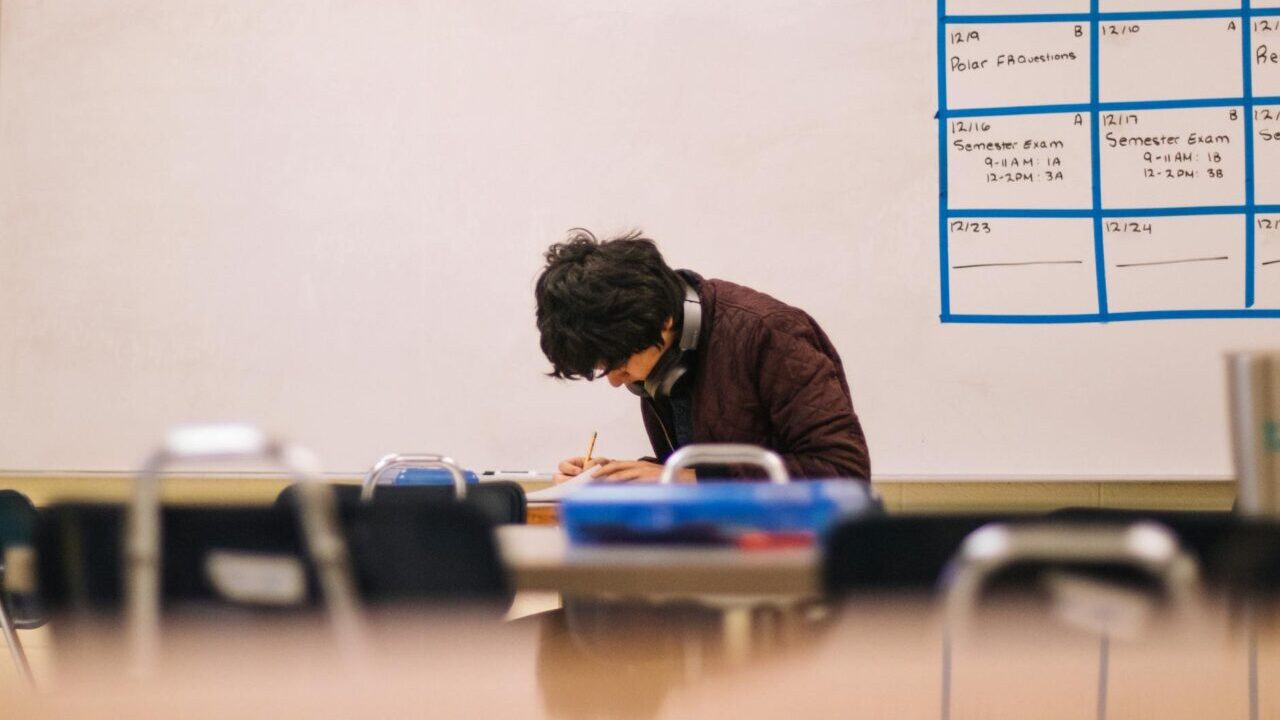
School hasn’t felt much better. The environment is tense. Discourse about Israel and antisemitism often feels more like an argument than a discussion. While many classmates feel comfortable expressing their views, I often feel like I have to measure every word. School used to be a space for open dialogue. Now it feels like a minefield. I don’t always know how teachers or students will respond if I share my perspective or identity.
Online, it’s worse. Social media feeds are flooded with misinformation, biased content and antisemitic posts that spread fast and with no context. Since the war began, it has been difficult to go online without seeing something that minimizes or distorts the Jewish community and what it stands for. Even more so, I’ve seen support for the hostages or peace with Israel labeled as hate or oppression.
This experience isn’t unique to me. The Anti-Defamation League recorded over 10,000 antisemitic incidents in the U.S. in the 12 months following Oct. 7, 2023, compared with 3,325 incidents in the previous period. The incidents included hate speech, harassment and violence. That number isn’t just a statistic. It reflects what so many Jewish teens feel every day: that simply being Jewish makes us a target.
It’s happening across the country. In 2023, a Maryland high school closed its athletics fields after antisemitic flyers filled with hate speech were found on campus. Closer to home, for example, parents of teens in the Sequoia Union High School District filed a lawsuit in November alleging that their children have been harassed and targeted by classmates and even teachers while the administration looked the other way.
School is supposed to be a space for learning, growth and connection. But more and more, Jewish students are left wondering whether our pain matters and whether our identity is even welcome.
As Passover approaches, I’ve been thinking about the story of the Israelites’ escape from Egypt. It’s a story of resilience and hope in the face of oppression. It reminds me that even in our darkest moments, we are called to remember who we are and where we come from. These themes of liberation and perseverance aren’t just ancient history; they must show up in how we stand together and support each other even today.
Thankfully, I’ve found strength through community. At school, the “Jew Crew” has given me a space to connect with others who understand what I’m going through. And through the Jewish Center for Justice, a political and social justice advocacy nonprofit based in L.A., I’ve learned how to turn pain into purpose. As a Micah D. Bycel Legislative Fellow, I study policy, research legislation and learn how to become an effective voice for change.
These spaces have helped me process what’s happening in Israel and here at home. They’ve given me the tools to stand strong in my identity, build bridges and seek understanding in moments of division. Most importantly, they’ve shown me that young people, especially Jewish teens, have a critical role to play in shaping how our communities respond to conflict and hate.
I don’t know what the future holds. But I know this: We cannot let misinformation, intimidation, or fear define our generation. I urge my peers, Jewish and non-Jewish alike, to stay informed, ask difficult questions, listen to the answers and trust the lived experiences of the people around them.
Learn our stories. Listen when we speak. And when you hear hate or distortion, don’t stay quiet. At this moment, silence cannot be the loudest thing in the room.