

The Torah column is supported by a generous donation from Eve Gordon-Ramek in memory of Kenneth Gordon.
Tazria–Metzora
Leviticus 12:1-15:33
Leviticus, the third and middle book of the Torah, doesn’t have as many well-known stories or characters in it as do the preceding, much more famous books of Genesis and Exodus. But it does contain some interesting passages (and even a few surprises) for the modern reader.
This important book — the first after the Israelites have been liberated from bondage in Egypt and are trying to build a community and a religion — is concerned almost exclusively with ancient rituals and sacrificial practices. It is a book written by priests, for priests.
In this way, Leviticus is an “inside baseball” manual of sorts.
While later rabbinic Judaism, as seen through the pages of the Mishnah and Talmud, tends to focus on moral questions of right and wrong, Biblical (and especially Levitical) Judaism often highlights matters of purity and impurity.
This double Torah portion is no different.
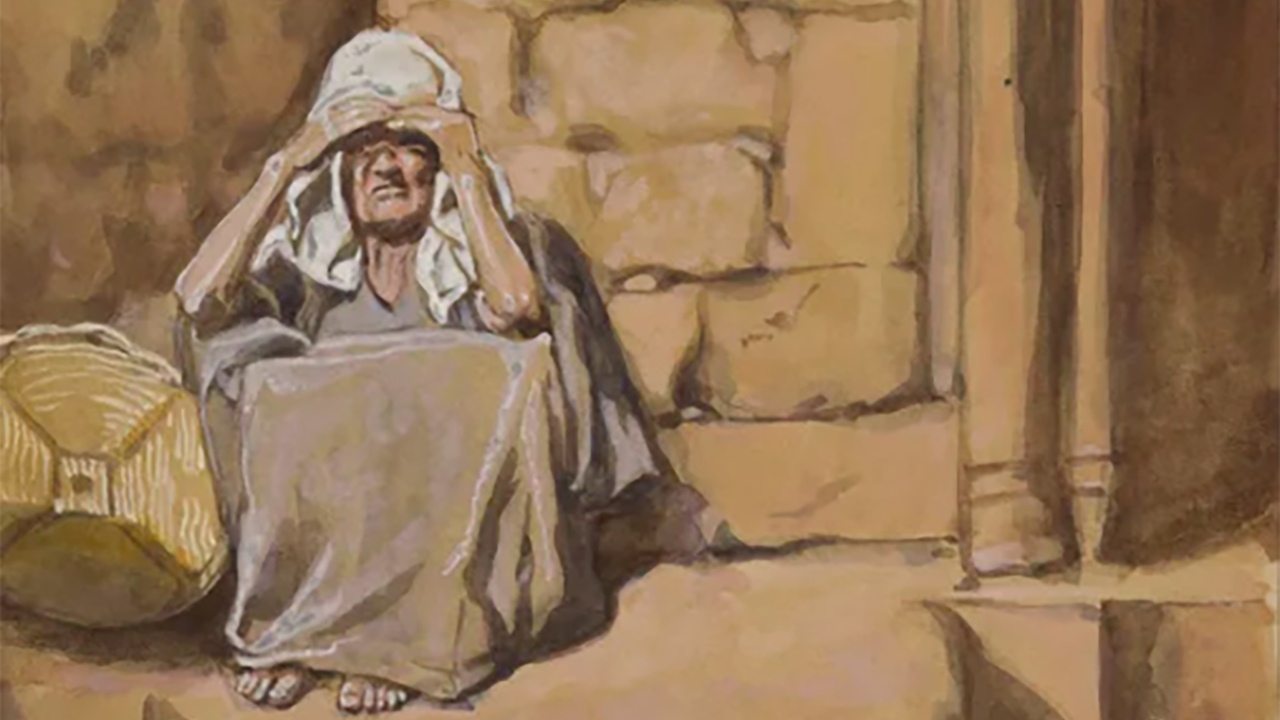
Tazria and Metzora both focus on bodily conditions that can make a person tumah, ritually unclean or impure. There are several things that can make someone tumah, but the major condition highlighted in these Torah portions is tzara’at, a variety of skin diseases.
Any person who was rendered unclean as a consequence of these diseases was not permitted into the sanctuary, and the only way for that status to change was after a series of purification rituals and sacrifices.
Even then, only a hereditary, male priest could perform these soul-saving rituals. An ordinary member of the household of Israel was helpless and powerless to rectify his or her condition without the direct intervention of ecclesiastical authority.
How times have changed.
Starting 2,000 years ago and continuing to the present day, this ancient approach to purity and spirituality has been utterly transformed.
After the Romans destroyed the Second Temple, the rabbinate replaced the priesthood, the synagogue took the place of the Temple, and verbal prayers supplanted animal sacrifice. Judaism became radically decentralized, no longer anchored in a power structure based on birth and caste.
In this reimagined, reconstructed version of Judaism, anyone could make themselves “right” with God. There was no need any longer for a priest; no need for an intermediary between the unclean person and God; no need for a spiritual hierarchy.
Post-Temple Judaism became more egalitarian and participatory.
This DIY approach to religious life gave everyone the opportunity and the access to grow and evolve in a spiritual way — through practice, study, and community.
The rabbis, the new leaders in Jewish society, were there to instruct and to guide, not to intervene: Their authority came from their learning, character and experience, not by virtue of being born into a priestly family.
A Jew did not need a rabbi to recite kiddush for them.
A Jew did not need a rabbi to study sacred texts.
A Jew did not need a rabbi to connect with the Divine.
Many centuries have passed since that time. And while Judaism today is more decentralized and egalitarian than ever, it also raises new questions that our generation must address.
Who is ultimately in charge of our community? Who has the final say in decisions about the Jewish future? Is it the rabbis? Federation executives? Philanthropists? The prime minister of Israel?
Is the contemporary Jewish community grounded in a knowledge-based meritocracy, or has our commitment to democratic principles created an “anything goes” approach to peoplehood and religious life?
The underlying questions include: What kind of future do we want for ourselves? How do we find a balance between authority and autonomy? Between tradition and innovation? Between democracy and quality control?
The more that Jews wrestle with these questions, the brighter, better and more secure our future will be.