

There are only so many times we can sit through a seder and cry to “Deliver Us” before the magic of Passover wears off. Below are 10 ideas for keeping kids interested and engaged in the holiday, divided into DIY projects to do at home and road trip-worthy activities to do out and about.
Out and about
Hike Guadalupe-Nipomo Dunes aka “The City of the Pharaoh”

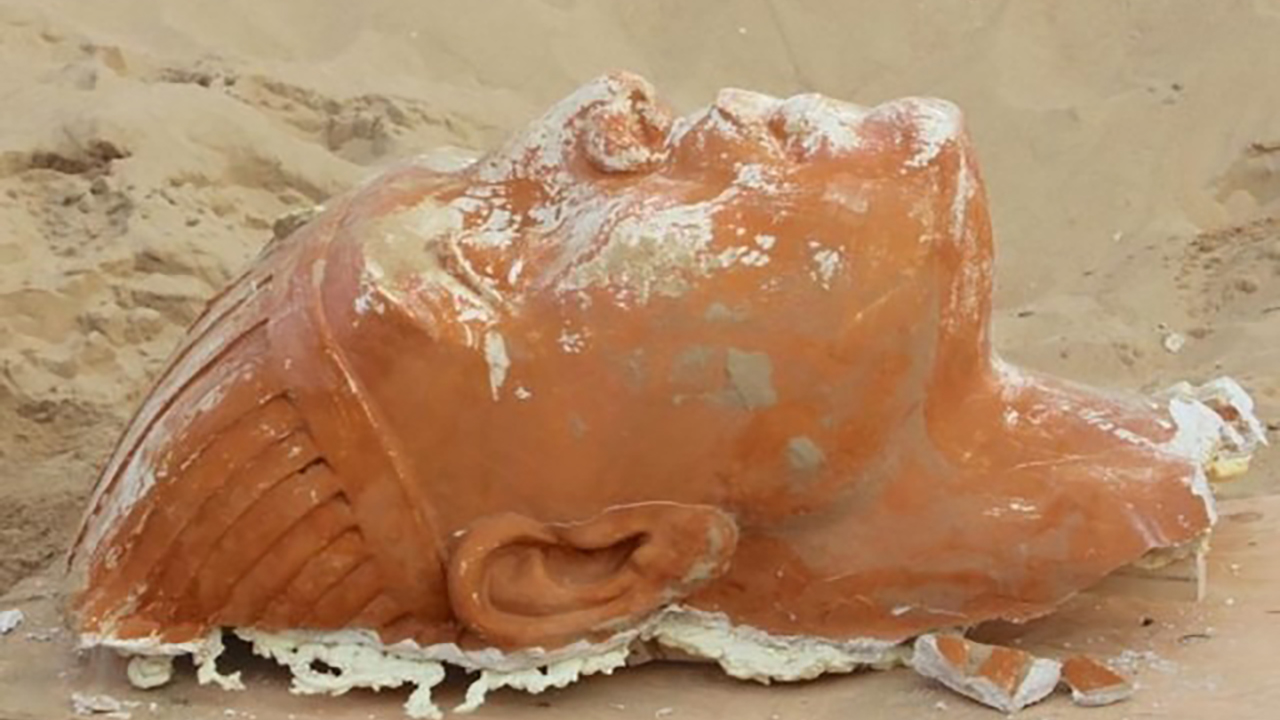
Did you know that a little slice of Sinai is hidden just a few hours south of San Francisco? In addition to being the largest coastal sand dunes in the world, this beach holds century-old Hollywood artifacts from one of the most famous Passover films. In 1923, pioneer filmmaker Cecil. B. DeMille built the largest set in movie history, an entire replica Egyptian city, in the Guadalupe-Nipomo Dunes for his silent Technicolor epic “The Ten Commandments.” After filming was complete, DeMille ordered that the entire set be dismantled and secretly buried in the sand, where it lay hidden for decades. While efforts began in the 1980s to locate the set, it wasn’t until 2012 that archeologists exhumed a sphinx head (the body was found in 2014). In addition to hiking through the rolling sand dunes and imagining them as the Egyptian desert, visitors can see the now 102-year-old artifacts on display at the Dunes Center.
Paint a seder plate at Color Me Mine

Color Me Mine, which has more than 10 locations in Northern California, offers three Passover pottery projects available for painting, including a seder plate. No reservations are needed. Just bring the kids and have them create an heirloom that can be used at seders for years to come.
Visit The Magnes

The Magnes Collection of Jewish Art and Life in Berkeley was one of the first Jewish museums in the United States and regularly features changing exhibits in addition to its permanent collection. The current exhibit, “Flowing through Time and Tradition,” explores the theme of water. It features artifacts like sculptures, photographs, paintings, rare books and prints like a 16th-century Belgian map illustrating the Israelites’ journey out of slavery, leaving Egypt and heading toward Canaan.
Visit the Rosicrucian Egyptian Museum

A bit on the more esoteric side, the Rosicrucian Egyptian Museum in San Jose is home to the largest collection of Egyptian artifacts on exhibit in western North America. The museum offers the opportunity to explore a model tomb and see everyday objects. And while not Jewish in the slightest, this is Silicon Valley, so of course there is an AI robot of the ancient Egyptian god Thoth visitors can ask questions and interact with (perhaps a teachable moment about the exact kind of idolatry forbidden in the Ten Commandments).
Go on a Passover picnic

One of the many perks of living in Northern California is the plethora of natural beauty. Whether you prefer beaches, mountains, rivers, lakes or parks, dining outdoors is the perfect way to soak up the spirit of spring and eat while reclining on a blanket. Choose your favorite spot (this list has some great options) and bring a chametz-free picnic like this one to enjoy.
At home
Give a midrash manicure

We have 10 fingers and there are 10 plagues in the Passover story. Coincidence? We think not! You can paint the plagues yourself or you can purchase a decal set that includes frogs, flies, locusts and more to turn a DIY spa day into an opportunity to discuss the plagues, from their symbolism in the story to plausibility of actually having happened. Time Magazine has an article exploring three scientific theories that aim to explain the plagues that’s a great conversation starter for older kids.
Make a matzah house

We don’t know for sure where this idea started, but Martha Stewart certainly popularized the project when she and guest Joan Rivers decorated Passover matzah houses with chocolate and other candies on her show in 2014. Have your kids explore their creativity by designing and decorating their own houses, which can look like their Christmas counterparts (like Martha and Joan’s) or they can imagine what Israelite dwellings might have looked like – or anything else they can think of!
Matzah sensory bin

A sensory bin is simply a container filled with materials that stimulate a child’s senses, encouraging hands-on exploration and play for young kids and toddlers. Crush up your leftover matzah and add themed items like plastic “wild beast” figurines (like the plague), measuring spoons, seder plates, Elijah’s cup and whatever else you have on hand.
Make an afikomen bag

For many kids, the highlight of the seder is searching for the afikomen, a special piece of matzah that is hidden during the meal. The afikomen is often placed inside a decorative bag before it is hidden. PJ Library has a tutorial for making a simple afikomen bag, but the craft can be as elaborate as desired depending on kids’ ages and skill level.
Build a sugar cube storage city

As part of the Israelites’ forced labor under the Pharaoh, they built the “supply cities” of Pitom and Ramses. Use leftover charoset (and maybe some glue) as mortar and sugar cubes as bricks to recreate models of the kinds of buildings mentioned in Exodus.
This article was originally published in 2025.