
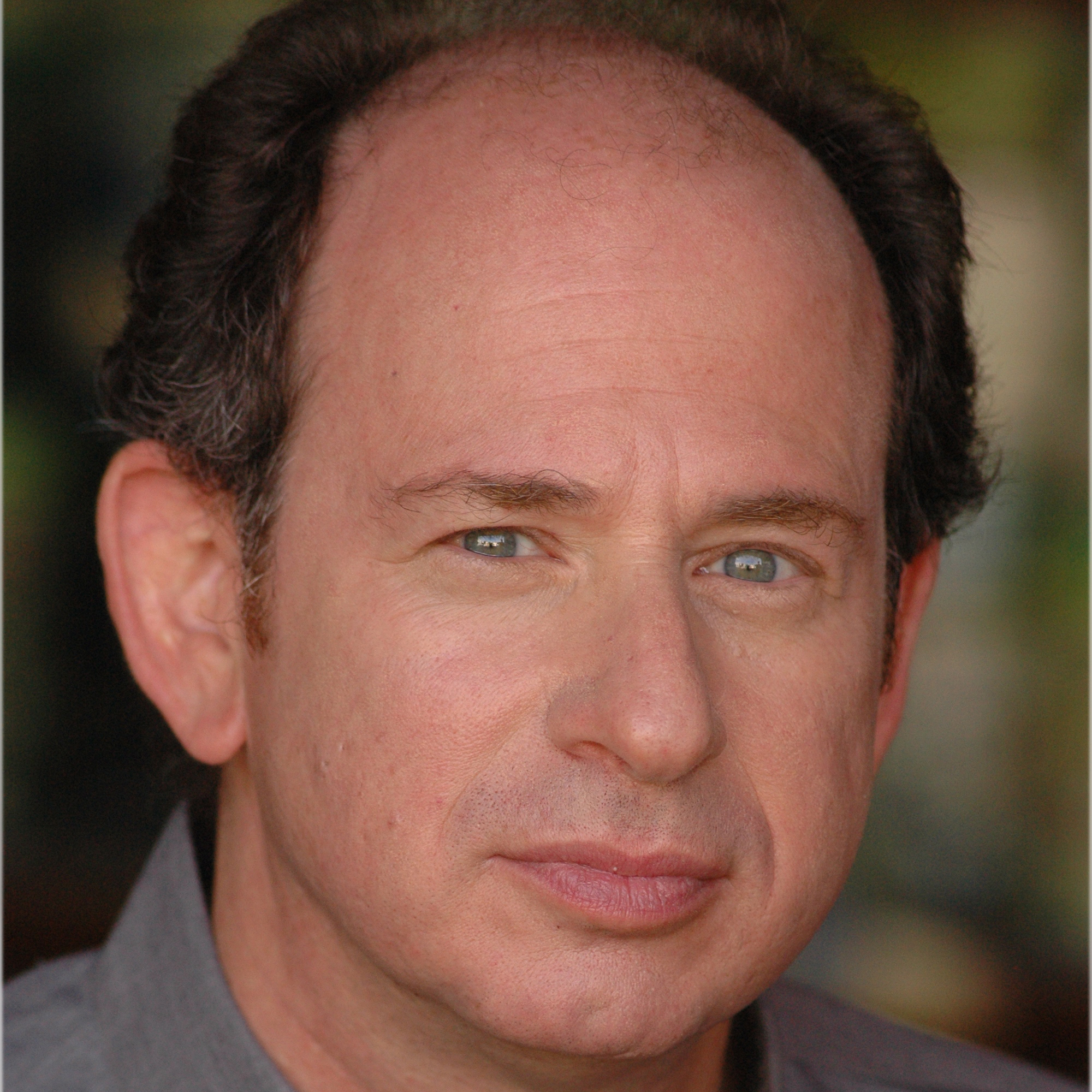
Todd Solondz’s films — from “Welcome to the Dollhouse” to “Happiness” to his latest, “Palindromes” — subtly excoriate the assimilated American Jewish family.
It all starts at home — Solondz’s home — where he grew up watching his family try to erase their ethnic veneer. Whatever was in the New Jersey water, though, didn’t affect him.
“Sometimes, often in fact, people ask me, ‘Where are you from? What is your accent?’ Well, I know. It’s called ‘J-E-W.’ Why I absorbed this in ways that not all of my siblings did, I don’t know. But I think it demonstrates a certain kind of connection that is something if I were a quote-unquote self-hating Jew I would have deliberately made efforts to eradicate long ago.”
Solondz’s family embraced the anonymity of suburbia, but found other ways to hold onto their heritage.
“At the same time that they tried to assimilate, there was also a great effort to emphasize their Zionistic Jewish cultural connection,” Solondz recalls. “There was a push me-pull you in two directions. While they may have aspired to this assimilated, de-Jew-dified world, there was also the pull to never forget one’s roots.”
It’s the kind of paradox that he savors in his movie characters. “Palindromes” centers on a pregnant 13-year-old girl, Aviva, who we are to understand is the product of a liberal, secular Jewish family.
“When you name a child Aviva and you are not of a religious turn of mind, it’s certainly a statement of one’s political and cultural convictions,” Solondz says.
All well and good, but Solondz mutes Aviva’s Jewish identity by having eight different actors, including a black woman, step in to play her as the film progresses.
The plot is equally iconoclastic. Aviva falls victim to her mother’s hypocrisy and elects to run away, falling in with a conservative rural Christian family that has its own brand of creepiness lurking in the basement.
“I found these were two opposing poles,” Solondz explains, chatting in his hotel suite last week when he came to town to present “Palindromes” at the San Francisco International Film Festival. “What are the two most disparate kinds of impulses at work in the culture? I felt they seem to be the most opposing, notwithstanding the Christian evangelical movement being big supporters for the state of Israel.”
Solondz, outfitted in green glasses, striped shirt, fuchsia jeans and yellow sneakers, looks more like an artist and less like a geek than he did when he visited San Francisco nine years ago to promote “Dollhouse.”
He’s thoughtful and precise in his choice of words, both self-confident and self-deprecating. He’s also an engaged member of society, who has to start his day with the New York Times — even when he’s away from home.
“As a Jew it is incumbent upon me not only to be critical but self-critical,” he declares. “And that includes things in the Jewish culture that don’t sit well with me.”
Not surprisingly, some parts of his movies don’t sit well with some Jewish viewers. But those who consider Solondz a ” self-hating Jew” are way off.
To cite one example, he shot — but ultimately didn’t use — a two-minute epilogue for his last film, “Storytelling,” that satirized American Jews’ relationship to the Holocaust. “It would have been great for this country,” he asserts. “But in other countries it would have a different meaning, or it could be used in ways that went against the grain of what I had in mind.”
More than once in the course of our chat, Solondz declares that he’s a “devout atheist.”
“But my family will always remind me, ‘It didn’t matter what you said, to the Nazis you were a Jew.’
“Of course, my background informs and shapes everything that I do,” Solondz concludes with a wry smile, at ease with the paradox that is his own Jewish identity.
“Palindromes” opens Friday, May 6, in the Bay Area.