
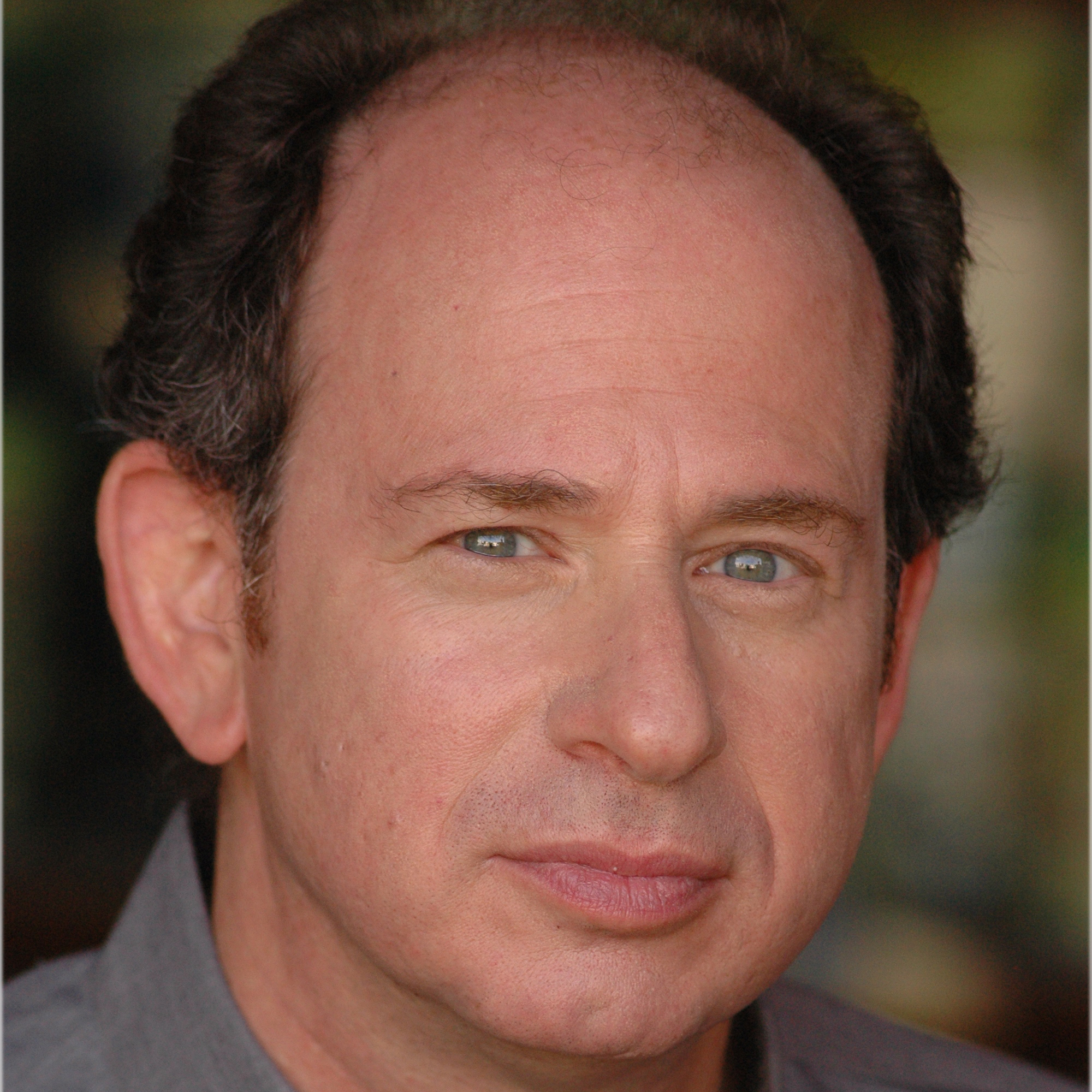
Dani Levy started out in show business in his native Switzerland as a clown and acrobat. While perfecting the pratfall, he also learned the fine art of pricking sacred cows.
In Berlin, where Levy moved in the early 1980s to advance his theater career, few subjects are more taboo than Jews. Levy also has a personal stake in the matter, since his mother and grandfather fled Berlin in 1939.
“The Jewish image in public discussion, political discussion and onscreen was idealistically shut away in some prison that you couldn’t touch,” Levy explains over the phone from Germany. “You were not allowed to laugh about Jews. You were not allowed to see Jews other than making good actions.”
Now a successful screenwriter and director of comedies, Levy unexpectedly struck gold with “Go For Zucker!,” an affectionate farce about estranged, 50-something Jewish brothers who have to make nice in order to comply with the terms of their mother’s will — and get their inheritance.
“Go For Zucker!” is still playing in German theaters six months after it opened, fueled by terrific word of mouth and an astounding 10 nominations for the country’s Lola film awards. (“Downfall,” the intense docudrama about the last days in the bunker with Hitler, only received three nods.)
The movie receives its U.S. premiere as the opening night film at the San Francisco Jewish Film Festival. Levy, who presented “Meschugge” (“The Giraffe”) at the festival six years ago, is scheduled to attend.
The brothers are hardly model Jews. Jaeckie Zucker is a gambler, pool shark, drinker and hustler — an East German through and through — while Samuel Zuckermann, an Orthodox Jew and Frankfurt merchant, is perhaps not quite as principled as he first appears.
“For me, they are not bad,” Levy says. “They are just controversial and contradictory in a way that they are just daily normal idiots — as we all are. What I didn’t want to do is make some kind of victim-heroes out of them, like traditionally Jews [are] shown [as] helpless victims that are guiltless. This is the main cliché that we have here in Germany. Whenever you saw Jews in movies or television for the last 40 years, they were always victims. They were not grown-up people with good and bad sides.”
Raising the money for an irreverent comedy about messy Jewish characters was no easy task, Levy’s track record notwithstanding.
“A lot of Jewish producers, even in Hollywood, totally shy away from making any movies with Jewish subjects aside from those traditional victim stories. Here the television stations and all the people who were refusing or passing on the project bet that it would not have been a success because people would not want to see Jews onscreen.”
Levy adds, “Underneath the understandable fear of poor ratings, I think there was a fear of political incorrectness and [to] not touch the German-Jewish issue. It’s a very sensitive field.”
As is not uncommon, the experts were wrong. But even Levy didn’t expect a stampede at the box office.
“The biggest surprise was audiences overcame, miraculously, their fear and shame and guilt feelings about watching Jewish people in the cinema,” Levy says. “That was something that was very new for Germans: The Jew as a symbol onscreen was not unreachable or untouchable anymore.
German moviegoers saw the Zuckers and their kin as familiar, recognizable people struggling through life. While Levy was adamant about taking Jews off their pedestal, he was equally careful not to present them as sleazy or cynical.
“That’s the only condition I have, [that] you show those characters sympathetic and lovable and touching in a way that an audience would feel compassion for them, and would stand on their side.”
They say that timing is everything in comedy, and as a fan of political satires such as “To Be Or Not to Be” and “The Great Director” — both of which came out at the height of the Nazi threat — Levy would agree.
“Comedy in general is a big, powerful weapon to resolve rigid problems, even when they are close,” he declares.
“Go For Zucker!” screens 8 p.m. Thursday, July 21 at the Castro Theatre, 6 p.m. Sunday, July 31 at the Mountain View Century, 9 p.m. Saturday, Aug. 6 at the Roda Theater in Berkeley and 8:45 p.m. Monday, Aug. 8 at the Smith Rafael Film Center in San Rafael. Tickets: $9-$11. (925) 275-9490 or www.sfjff.org.