
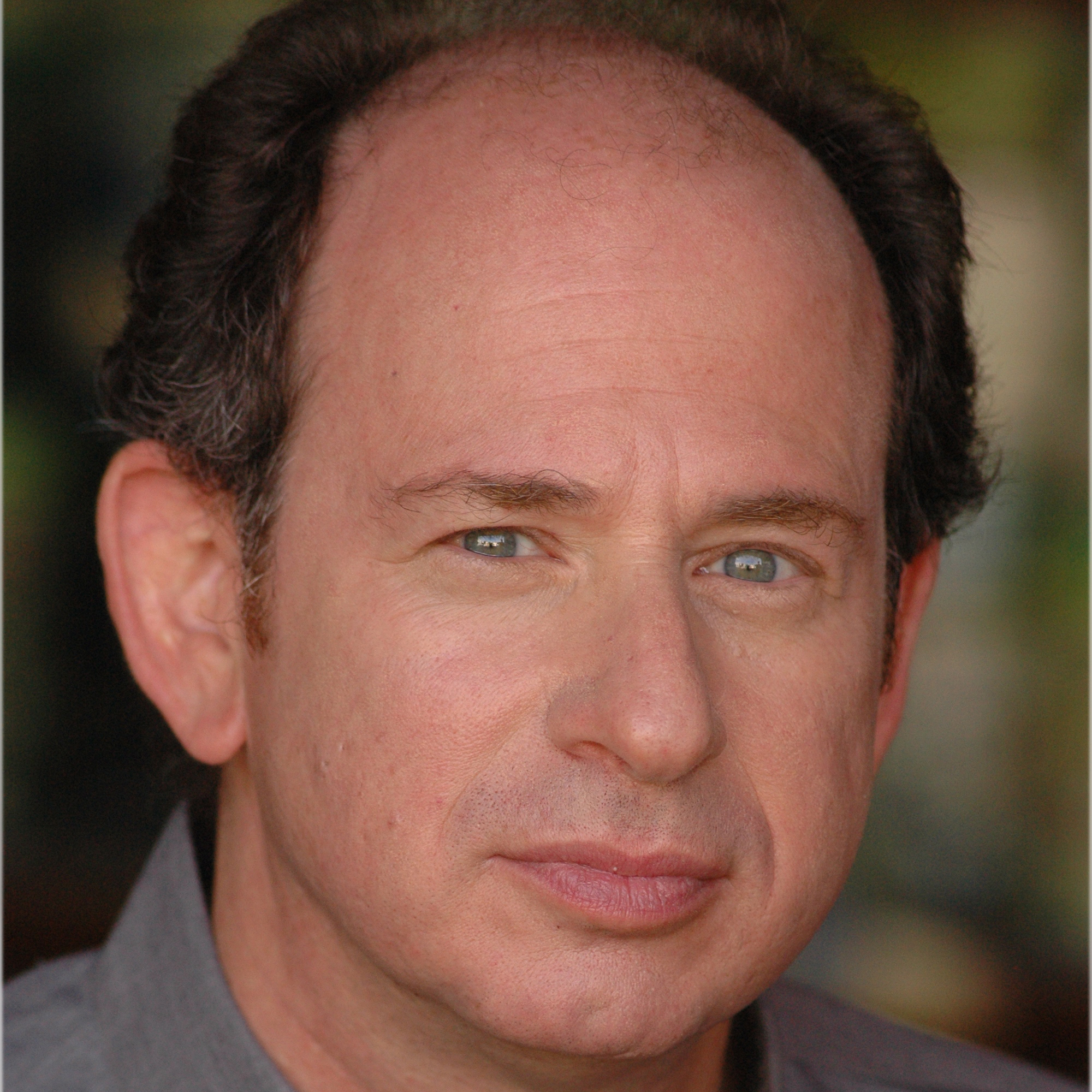
Dror Shaul paints “Sweet Mud” in the soft golden hues filmmakers typically use to denote cherished memories. His choice of palette is bitterly ironic, though, for this semi-autobiographical look back at a pivotal year in a boy’s life is anything but a feel-good reverie.
The drama centers on a 12-year-old named Dvir and his widowed and seriously disturbed mother, Miri, circa 1974. The setting is a kibbutz, the epitome of Israeli ideals and egalitarianism, which makes this story of selfishness and betrayal that much more painful.
“Sweet Mud” is, at its core, a coming-of-age parable. It crystallizes that moment in everyone’s life when we realize that our parents are fallible — or at least not omnipotent — and that it’s going to be up to us to carve our own successful path in life.
The film effortlessly engages the viewer by providing two vulnerable people to root for. But by portraying nearly every adult character negatively, Shaul stacks the deck to make Dvir’s ordeal even more acute. Whatever larger themes the director wanted to broach — say, the beginning of Israel’s slide from moral paragon still in thrall to David Ben-Gurion’s vision to an opportunistic, materialistic people like any other — are overshadowed by what ultimately comes off as a personal, long-held desire for payback.
“Sweet Mud,” which won the Israeli Academy Award for Best Film and picked up the Grand Jury Prize in the world cinema category at Sundance, screens four times at the San Francisco Jewish Film Festival. It is the opening night feature, with support from the Consulate General of Israel, Pacific Northwest Region and the Israel Center of the S.F.-based Jewish Community Federation. Writer-director Dror Shaul is scheduled to attend.
The very first sequence, in which Dvir secretly observes one of the kibbutz’s most respected members engaging in a sex act with a cow, encapsulates Shaul’s strategy of staging scenes whose meaning is plain to the viewer but largely mysterious to the main character.
That approach leads the audience to despise the adults while emphasizing Dvir’s naïveté, confusion and mistrust. Reductive and manipulative, it might border on laughable except for the melancholy surrounding Miri’s condition.
There is one bright spot in Dvir and Miri’s lives, and that’s the arrival of her Swiss judo champ boyfriend. The sequences with Stephan fully warrant nostalgic shades of amber, but his stay lasts only long enough to throw the narrow-mindedness and claustrophobia of kibbutz life into sharper relief.
Dvir’s efforts to help his mother lead a normal existence (with no help from his older brother) and obtain something resembling support and guidance from her, are frustrated by the then-common practice of raising the children together instead of with their parents. So his opportunities to establish some kind of continuity with Miri are sadly limited.
The 270 kibbutzes in existence today, with a combined population of around 130,000, have largely abandoned that child-rearing model. But if we take this film as our guide, it comes too late for several decades of needlessly unhappy children.
But “Sweet Mud” doesn’t play like a social-issue or “message” movie. It is too narrow in its focus and too under populated (except for a key dining room scene) to be anything but a harrowing chronicle of a rough patch of adolescence.
And yet the film is shot through with shards of light — a girl’s friendship, the joy of riding a bike or flying a kite, a (rare) kind word from a brother — and the very last image might be construed as optimistic.
Optimistic, but not cathartic. Dror Shaul wants us to leave with some “Mud” on our shoes.
“Sweet Mud” screens at 8 p.m. Thursday, July 19 at the Castro Theatre in S.F.; 6:15 p.m. Thursday, Aug. 2 at the Aquarius in Palo Alto; 7:15 p.m. Saturday, Aug. 4 at the Roda in Berkeley; and 6:30 p.m. Monday, Aug. 6 at the Rafael Film Center in San Rafael. Tickets: (925) 275-9490 or www.sfjff.org.