
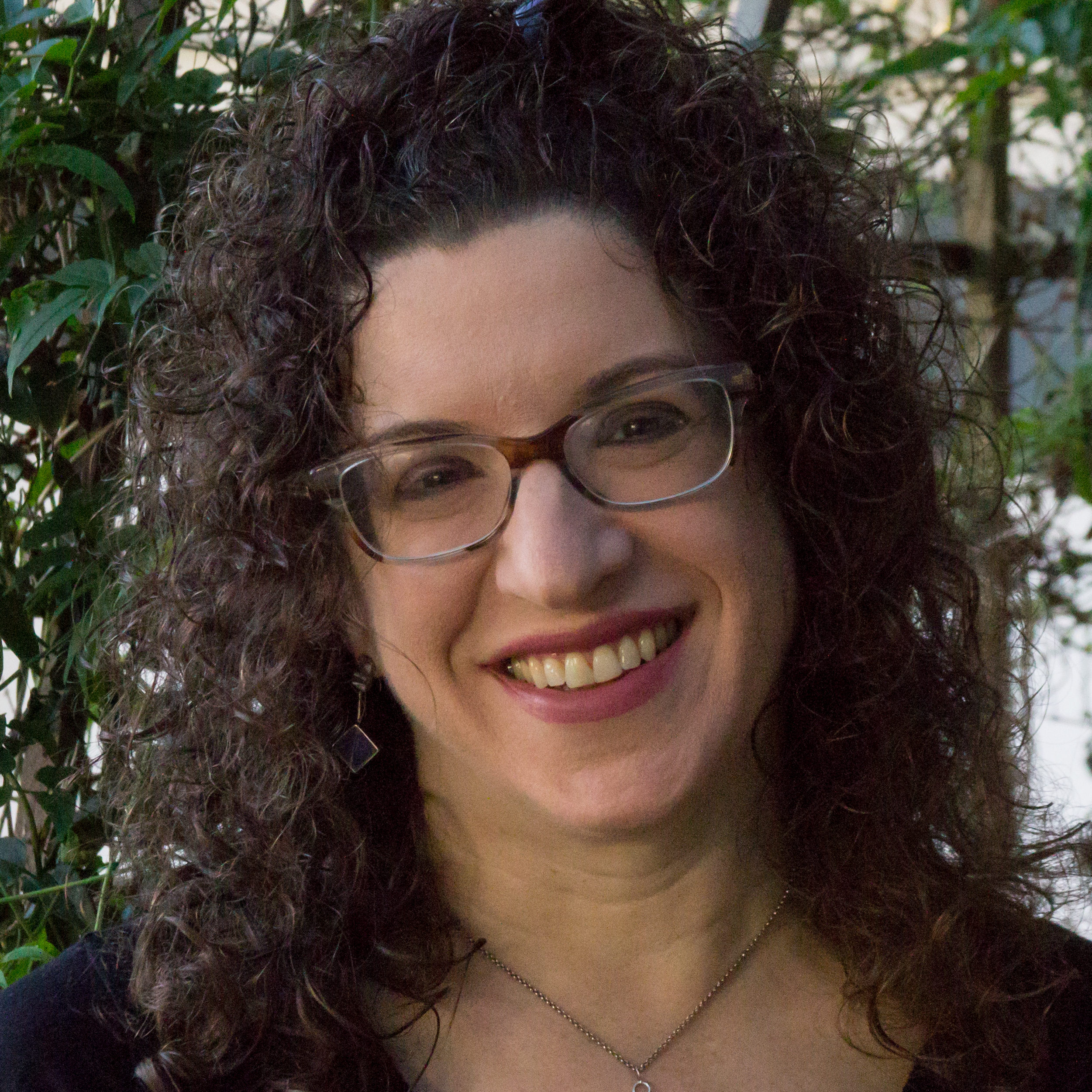

The Torah column is supported by a generous donation from Eve Gordon-Ramek in memory of Kenneth Gordon.
Mishpatim
Exodus 21:1-24:18
The nation heard the mishpatim (rules) of the Eternal and cried as one: “Na’aseh v’nishma!” (Exodus 24:7) This riddle of a declaration could mean: We will do and we will obey; we will do and we will understand; we will faithfully do; or in its most literal sense, we will do and we will hear.
We may never know what the people intended, but what echoes through the ages may be this: After Moses “took the record of the covenant and read it aloud to the people” (Exodus 24:6), our ancestors committed first to do, and then to wrestle with the implications of what it all might mean.
For many Jews, performing the mitzvot as diligently as possible is sufficient to honor the directives given to Moses as our forebears heard and interpreted them. For others, many of the Torah precepts, expanded and expounded upon by centuries of scholars are just a mystery. We struggle with the idea of “doing” when we do not “understand.”
For much of my early life, one of the commandments laid out in this Torah portion left me (and just a few others) absolutely flummoxed. It floats there without introduction or explanation and reappears in two other places in the Torah, similarly without preamble or detail. And yet it is intertwined with the very essence of traditional Judaism:
“You shall not boil a kid in its mother’s milk.” (Exodus 23:19, also Exodus 34:26 and Deuteronomy 14:21)
The plain, straightforward language of this mighty little statement, and the exact repetition of it later in the Torah, suggests that the ancient audience knew (and understood?) what they were being prohibited to do — and why — and that it was known across many strands of early Jewish society. But since then, even the greatest minds in Jewish history come up short when trying to make sense of it.
Maimonides (1135-1204) and others theorized that the edict responded to a Canaanite practice associated with idolatry, though modern scholars point out that there is no historical evidence of such a practice. Some suggest the rule is part of the general prohibitions against forbidden mixtures of different “kinds,” but this, too, is “unconvincing, for in the case of the Torah law, no mixture is involved — mother and kid are of the same kind,” as Rabbi Gunther Plaut wrote.
One medieval writer linked the mitzvah to a foreign practice of milk boiled with the meat of a kid goat that was then sprinkled on trees, fields and orchards to encourage fertility (a ritual described by a number of authors), but again, as Plaut says, there is “no truly credible evidence” that the Torah referred to such a ceremony here. Another possibility is that this injunction, with its specific naming of “mother’s milk,” implies the Torah’s abhorrence of incest and the forbidden intermingling of blood relations.
Some suggest that the prohibition teaches sensitivity to animals, akin to the laws against slaughtering cattle on the same day as their young; sacrificing cattle in their first week of life; and taking a mother bird along with her fledglings or her eggs. (Exodus 22:29; Levitcus 22:27-28; Deuteronomy 2:6-7). Now we’re getting to some explanations I can wrap my heart around.
While the commentators continue to debate this cryptic rule, let’s note that from this lone seed grew an entire system of observant Jewish life that rotates around food: the total separation of meat and dairy (including over time designating non-milk-giving animals like chicken as “meat”): laws against preparing, eating, serving or benefitting in any way from such mixtures; multiple sets of dishes and utensils; divided sinks (and even separate dishwashers for some); and prescribed amounts of time between consuming the two food groups.
I lived in an in-between place with this mitzvah for a long time. As an adult, I’ve found space in small homes for meat and dairy pots, dishes and silverware, complying with the wishes of my chosen families. But outside the house, I ate more or less what was available on a menu and what looked appetizing — until one evening at a birthday party about 20 years ago.
The buffet was large and generous, and I helped myself to something containing meat (I’m quite sure it was chicken) and cheese. The woman sitting next to me, totally unbidden, decided to weigh in on my choice. Chutzpahdik, no? But she must have been sent by an unseen Hand because she said what I had never heard before and, at that moment, what I absolutely needed to hear.
“You know,” she said, “separating meat and dairy is a very important concept. It makes a distinction on our plates between symbols of life and symbols of death.” After so many years of grappling, this was a revelation.
I haven’t thought twice about it again, and I give thanks to that stranger for being the teacher I needed.
In the 16th century, Rabbi Yisrael Sarug-Ashkenazi, a kabbalist, wrote of the mystical power of eating: “Each person has the ability … in the grinding power of chewing food, to raise (Divine) drops of blessing absorbed in that food to a place of holiness.”
There are so many worthy mishpatim/rules to explore in this week’s parashah. But because all creations share the basic need for food, we ought to consider how and what we eat. Is our eating a holy act? Can it link us to the greater mission of the Jewish people to sanctify life? Might we be encouraged to be more mindful of the words that come out of our mouths if we are more careful about what goes in? I like to think so.
May we give thanks for the gift of sustenance and make good, careful choices that nourish not only our bodies but our souls as well.