

Early in my medical career, I took care of a Vietnam War veteran. One day he asked me if I would take care of his wife, a Vietnamese woman whom he’d met during the war and then married. His wife grew up in a rural village in Vietnam and, as far as he knew, she had never seen a doctor.
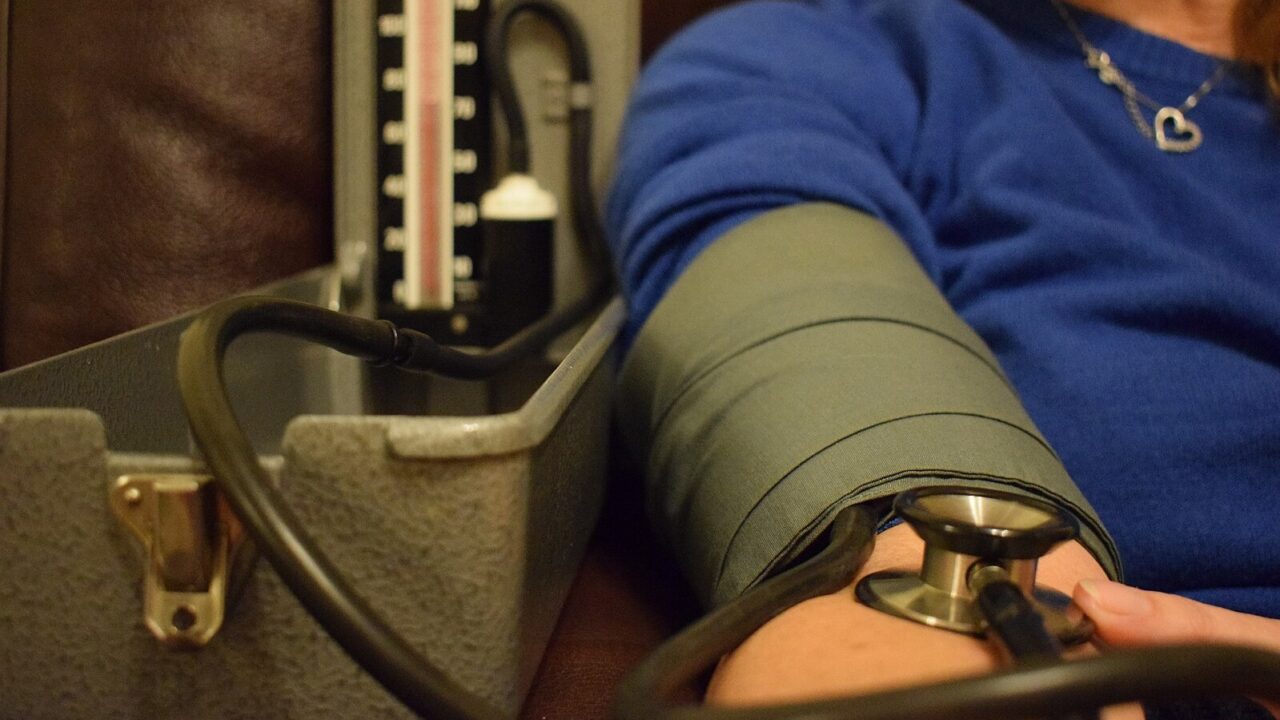
Shortly thereafter, I met his wife, whom I will call Linh. She was in her early 40s, spoke English well and appeared in good health except that her blood pressure was elevated. I expressed my concern. But because this was her first time seeing a doctor, I thought it could be due to the stress of a health checkup, which is referred to as “white coat hypertension.”
I ordered some blood tests, advised her to reduce salt in her diet and asked her to come back in two weeks. At her return visit, I informed her that her lab tests were all normal, but because her blood pressure was still moderately high, I advised her to take medication. She agreed. I asked her to return in two weeks so I could check it again. At this next visit, Linh affirmed that she was taking her medication, but her blood pressure hadn’t budged. I added a low dose of a second medication.
Two weeks later she returned, but once again her blood pressure remained stubbornly elevated. There wasn’t an obvious explanation.
I had learned in medical school that the most common cause of “resistant hypertension” was poor adherence to medication, but I never imagined that this would occur in any of my patients. Nevertheless, I asked Linh if she could bring her bottles of medication to my office so I could visualize what was going on. The next day she brought in her medications. Both bottles appeared totally full.
I was bewildered as I stared at the bottles, but then a possible explanation for Linh’s behavior dawned on me. I thought about how to ask her my next question without making her defensive.
Nonadherence to taking medication for hypertension is common. In a 2015 study, patients who had uncontrolled hypertension, more than 40% were nonadherent with treatment — defined as taking less than 80% of prescribed medication.
The World Health Organization has identified five major “dimensions” to understand the complexity of understanding medication adherence. These include social and economic factors; patient-related factors such as health literacy, forgetfulness or fear of dependence; therapy-related factors such as cost of treatment and adverse effects; comorbid conditions such as alcohol or drug use or mental health problems; and health care system factors such as the provider-patient relationship and limited care coordination.
Medication adherence is typically higher for those with acute conditions as compared with those with chronic conditions or treatment aimed at prevention.
As I concentrated on Linh’s bottles of medication, I thought about what I knew about her — that she came from a rural village in Vietnam — which prompted me to gently ask her if she knew how to read and write. Her voice dropped as she answered, “no.” I realized that her health literacy was probably poor and why it may have been hard for her to take pills for a condition about which she had little understanding.
She gave me permission to explain high blood pressure to her, and in doing so I expressed why I was worried about her. At the end of the visit, she promised me she would take her medication. I wasn’t sure what resources were available to address her inability to read, so I suggested she inquire at her local library.
Linh returned two weeks later, and this time her blood pressure was perfect.
I was fortunate to have this early experience to help me confront my inaccurate assumptions: that patients have a certain level of literacy and that they take medication as prescribed.
However, even after practicing medicine for more than 40 years, I am still learning about making assumptions. For example, a recent patient I saw at Samaritan House Free Clinic caught me off guard when he informed me that he did not own a refrigerator. Avoiding assumptions is important in any relationship, but probably even more so in the doctor-patient relationship where so much is at stake.