

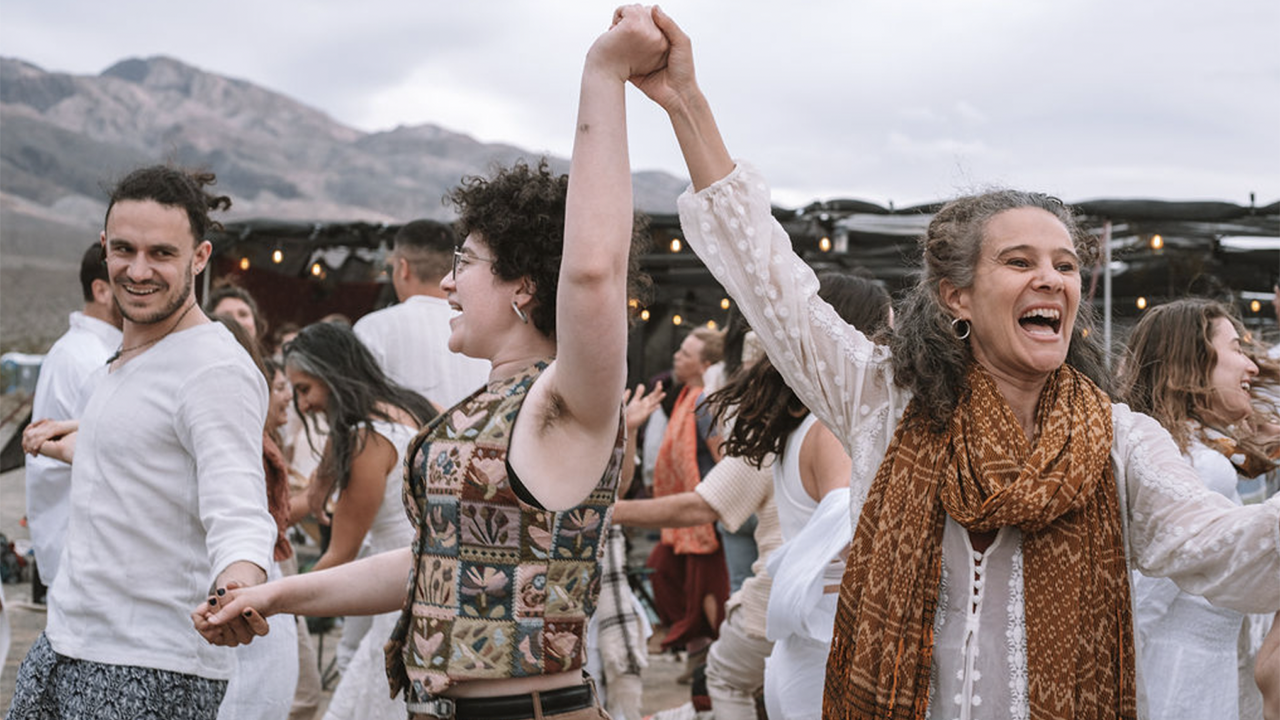
Wilderness Torah, the Berkeley nonprofit that has drawn thousands to its Earth-based programs blending Judaism, ritual and a reverence for nature, is becoming part of the nation’s largest Jewish environmental organization, Adamah.
Effective Sept. 16, Wilderness Torah will become a regional hub of Adamah, joining others in Detroit, New York City, Baltimore, Los Angeles and Atlanta. The new hub will be called Adamah SF, though the Wilderness Torah name will be attached to all of its programming.
Wilderness Torah emerged about 18 years ago, inaugurating its Sukkot on the Farm festival in 2007 and Passover in the Desert a couple of years later. Other Wilderness Torah programs include a five-day wilderness trek for adults called Neshama Quest and teen backpacking trips, fire circles and leadership training.
Itamar Cohn, Wilderness Torah’s executive director for two years, now becomes the founding director of Adamah SF. He expressed excitement over his organization’s new alliance.
“We’re going to not only retain our current programs, but we will invest in growing them locally and nationally and opening new partnerships,” he said. “The partnerships will open doors and reach out to parts of the community we haven’t been before.”
Adamah — itself the result of a 2023 merger between Jewish environmental groups Hazon and the Pearlstone Center — is headquartered in rural Baltimore County, Maryland. It is not affiliated with Urban Adamah, the Jewish educational farm in Berkeley, despite the similar names. (“Adamah” is Hebrew for “earth.”)
Adamah oversees two large retreat centers: the Pearlstone campus in the Maryland countryside and the Isabella Freedman Jewish Retreat Center in Connecticut’s Berkshire Mountains. It offers programs including nature retreats, farm fellowships, summer camps and eco-workshops.

“Wilderness Torah has been one of the brightest lights in the Jewish world,” said Adamah CEO Jakir Manela, pointing to the organization’s “innovative, life-changing Jewish education and community building.”
The Adamah board will oversee Adamah SF, while giving the hub local autonomy. Once Wilderness Torah’s business operations are turned over to Adamah — a transition that “could take some time,” Cohn said — a Wilderness Torah advisory council will be set up in the Bay Area, which will weigh in on programming and help maintain the existing culture of Wilderness Torah.
A core aspect of Adamah SF’s work will be local partnerships: JCC East Bay, Camp Newman, Jewish Federation Bay Area, Urban Adamah and Chochmat HaLev are all on board. It will also wrap in the national organization’s focus on climate change and green business.
Right from the start, Wilderness Torah’s calling card has been “Earth-based Judaism,” which connects Jewish teachings, holidays and lifecycle events with a respect for and reverence of the natural world.
Cohn said the financial landscape changed for Wilderness Torah during the pandemic. In March 2023, it launched a $300,000 campaign to recoup some of the lost revenue, including two major foundation grants that were not renewed. Passover in the Desert, which drew 350 people in 2023, was then put on “pause.”
“It was harder to make our fundraising goals,” Cohn said. “One of the conclusions we reached was that we’d gotten too small; funders wanted to fund larger national organizations.”
“This is a big win for everybody,” said Julie Wolk, a Wilderness Torah co-founder and board member who will join the future Adamah SF advisory council. “We get to bring the work we’ve been honing for many years to a broader audience, [and Adamah] has the infrastructure to support our programs and to see those proliferate.”

Wilderness Torah’s premiere programs — such as “B’hootz” (“outside”) for grades 1 to 5 and B’naiture for grades 6 to 8 — could indeed catch on in other hubs.
“We see national scale potential for those programs,” Manela said.
Yafit Shriki Megidish, chief Jewish learning officer at the JCC of the East Bay, lauded the Wilderness-Adamah alliance. “It’s a really natural connection. It creates stability financially and allows [Wilderness Torah] to continue their work. Adamah coming into our area is also a blessing.”
Adam Weisberg, executive director of Urban Adamah, is another fan.
“We are really glad that this is happening, first and foremost because we really believe in Wilderness Torah’s work,” Weisberg said. “We absolutely want to see it continue.”
In a press release announcing the changes, Rabbi Zelig Golden, Wilderness Torah’s co-founder and former executive director, called the partnership “a thrilling next chapter. For 18 years, Wilderness Torah has been planting seeds of regenerative village life, soulful rites of passage and multigenerational festivals. Now, those seeds can take root far and wide.”