

The past two years have challenged Israel’s economy, which has been forced to continually adjust to the unpredictability of Israel’s multi-front war. Despite it all, the country’s tech sector has so far remained resilient.
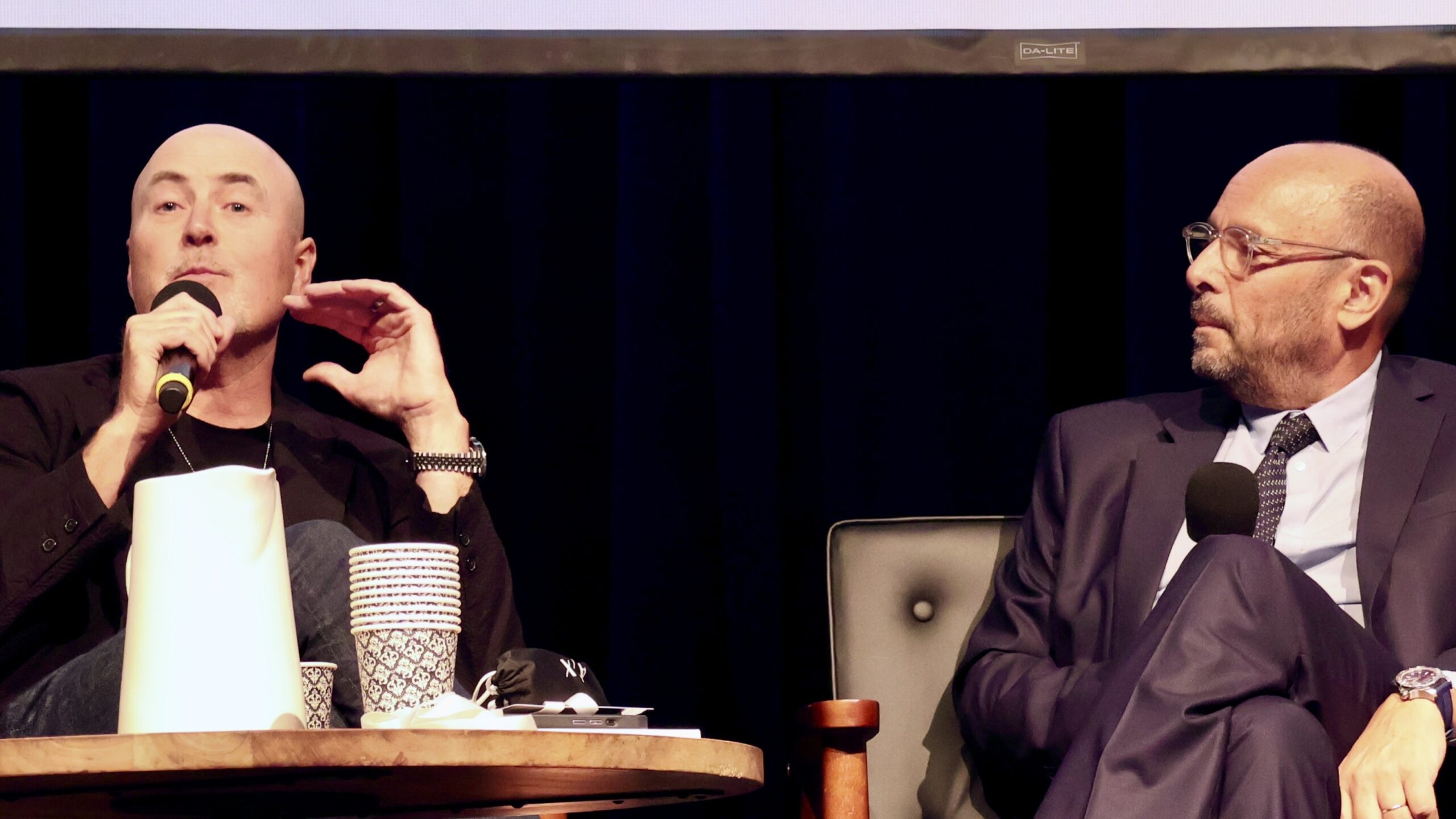
This was the dominant sentiment among speakers at the Restart IL conference, which took place Aug. 27 at the Oshman Family JCC in Palo Alto. Recent data from both Israeli government institutions and independent nonprofits point to a similarly reassuring outlook. There is still room for improvement, though, to bolster the most vulnerable startups and to keep Israeli wealth and innovation flowing, industry leaders said.
According to a Sept. 17 report from the Israel Innovation Authority, 2024 saw an increase in first-time acquisitions of private Israeli high-tech companies, from 85 deals in 2023 to more than 100 last year. The total amount of the acquisitions also more than doubled, from $5.6 billion in 2023 to $12 billion in 2024.
“Israel is a tech leader on a global scale,” Omer Fein, chief of the Israeli Economic Mission to the West Coast, told J. after the conference where he introduced a panel on trends in Israeli innovation. “It’s a small country, but its impact on innovation globally is highly present.”

Inside Israel’s tech industry, the youngest startups have been the type of companies hit hardest by Israel’s ongoing war against Hamas and have been forced to make adjustments to stay afloat.
Over the past decade, the Sept. 17 report stated, the number of new startups founded annually has decreased by more than half, from more than 1,000 in the mid 2010s to around 500 in 2024. Israeli venture capital funds themselves have also raised significantly less money in the past couple years with an average fund size of $60 million to $65 million, down from $90 million in 2022.
“That’s how we decided to [create Restart IL],” Mike Bailey, content director at Benny Moran Productions, told J. “We wanted to help startups and bring them to the financial capitals, close the gap between investors and entrepreneurs, and prove that Israel’s economy, and especially the ecosystem of startups, is still strong.”
Benny Moran Productions, an Israeli event-planning firm, founded Restart IL shortly after the Oct. 7, 2023, Hamas attack on Israel forced it to cancel the conferences it had planned for the rest of the year.
“The idea was: Let’s try and help the high tech industry, which on the one hand is a big part of Israel’s economy, and on the other hand, was suffering greatly from what has happened, because funds froze and foreign investment stopped,” Bailey said. “People were concerned.”
After organizing eight Restart IL conferences since 2023, in London, Berlin, Frankfurt, Athens, New York and Palo Alto, Bailey estimated the new initiative has brought 150 Israeli startups face to face with 1,700 investors. At the Palo Alto conference, some 220 attendees came to network and listen to talks from 40 speakers, including Israeli entrepreneurs and Bay Area-based investors.
“We have a lot of repeat participants who want to come back again and again, because they view this platform as being very effective for them to network,” Bailey said.
In search of more funding and with aspirations to expand their businesses, Israeli startups have already made it a common practice to secure investors and buyers abroad. Now, many young companies are taking a more proactive approach, according to Kimberly Drory Lev-Ran, a partner at financial services company ERB.

(Courtesy Tal Popliker Goldstein/@tal_designs)
Startups “are no longer opening and registering their activity in Israel. They are incorporating their business as a U.S. parent company with an Israeli subsidiary, because it’s easier for fundraising,” Lev-Ran told J. after the conference where she spoke about common challenges that foreign startups face in the U.S. “In the past, they would start in Israel and then progress to the U.S. Nowadays it’s almost the default. They’re worried about what’s happening politically, and with taxes.”
Of the roughly 200 Israeli companies that Lev-Ran has been advising since Oct. 7, 2023, she estimates that around 60% have chosen to incorporate as an American company and register their intellectual property in the U.S.
If and when founders are ready to sell their startup in the U.S., that arrangement allows for a simpler transaction and makes buyers more willing to seal the deal, Lev-Ran explained.
The Israeli nonprofit research firm Startup Nation Central reported a similar trend earlier in the war. According to a September 2024 report, 24% of surveyed companies said they had relocated some of their operations abroad. Startup Nation Central is a nonprofit that aggregates data on Israeli startups and periodically publishes reports on Israel’s innovation ecosystem.
Of all the sectors within Israel’s tech industry, one is proving especially strong: cybersecurity.
Despite only making up 7% of all tech companies in Israel, cybersecurity startups attracted 38% of all private tech investments to the country in 2024, according to a June report from Startup Nation Central.
Rather than staying in Israel and going public, cybersecurity companies tend to get acquired more often than other sectors. Last year, according to the June report, 11% of Israeli cybersecurity companies were acquired, compared with 7% in other tech sectors.
Marco Sermoneta, consul general of Israel to the Pacific Northwest, echoed the optimism of other speakers at the conference during his opening remarks.
“Our innovators are part of the Israeli ethos of resilience and of overcoming challenges, including one as painful and dark as was October 7th,” he said. “Especially now, investing in Israel, an epicenter of groundbreaking technological creation that transcends borders, inspires the world, and continues to provide solutions to the challenges facing humanity, is investing in the future.”