

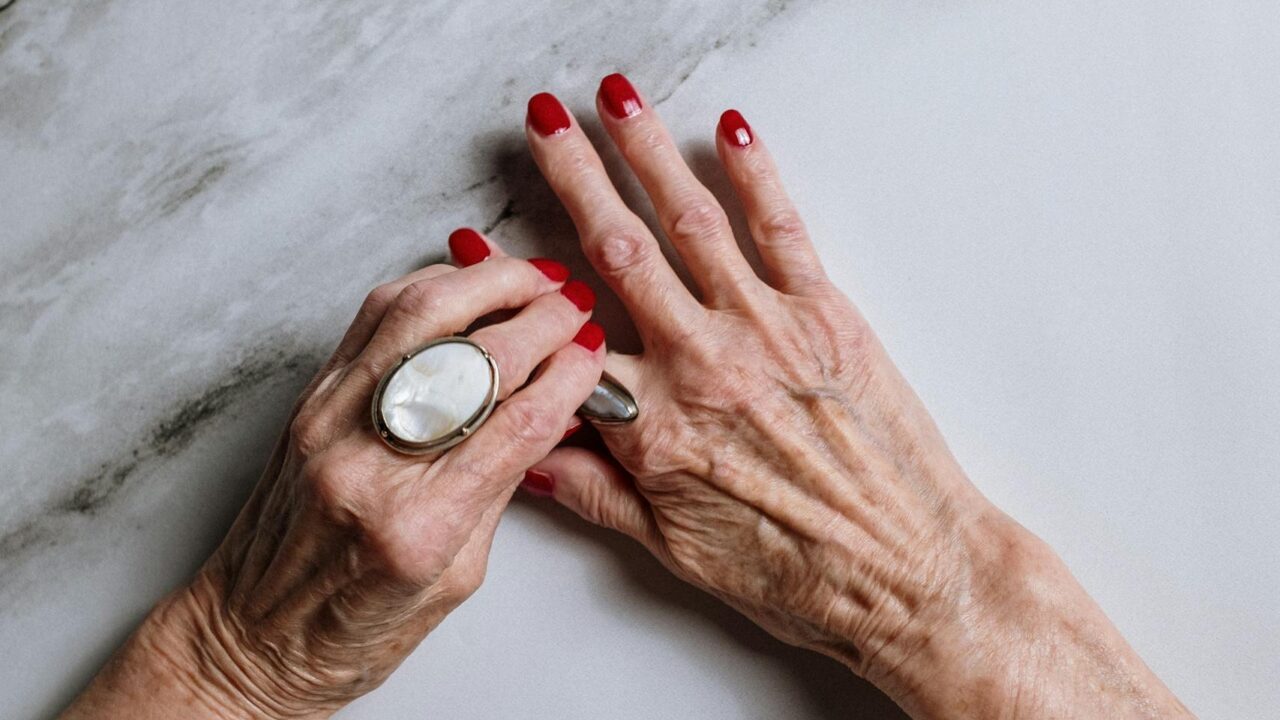
People often say I don’t look my age. They mean it as a compliment, and I take it as such. But lately I’ve been wondering: Is it really a compliment? And why does it make me so happy to hear it?
Actually I know why I take such pleasure in hearing it. Vain me takes it to mean that I look younger than my actual age and that “young” is a universal good. Right? It’s a goal that we almost-oldster gals are supposed to aspire to and that advertisers cater to.
But that’s why I’m wondering whether it would be more sincere and more accurate for well-meaning people to say something like, “You look well today” or “I like that sweater you’re wearing.”
Best of all, wouldn’t it be better if someone complimented me (or any of us) by noticing some good deed I had done, however small?
Judaism teaches us to focus on our character. “Eshet Chayil,” or “Woman of Valor,” which is traditionally recited to women during the Shabbat blessings, describes the worth of a reliable, industrious, generous, wise and kind wife as “far beyond that of rubies.” (Proverbs 31:10)
By contrast, our wider society teaches us a very different lesson from a very early age. Who doesn’t know the famous line from the Evil Queen in “Snow White”: “Magic mirror, on the wall, who’s the fairest of them all?”
From childhood, I have memories of uncles and aunts showering me with exclamations of “What a shayna maidel!”/“What a pretty girl!” and “Such a shayna punim”/“Such a pretty face!” (As for those infernal cheek pinches that smarted for hours, fuhgeddaboudit. Sorry! I’m mixing my Yiddish with my New Yawkese.)
Those relatives never seemed to praise me for being a “good” girl, a “smart” girl or a “clever” girl — only a pretty one. I remember this distinctly.
Likewise, I recall overhearing my mother having a heated fight with an uncle who refused to send his three daughters to college. He said it wasn’t necessary because all they needed was to be attractive, not educated, to find success (in other words, to find a husband).
Although I lucked out and had parents who valued women’s education and women’s careers, I ironically had a career that placed a premium on appearance — TV news. Also, let’s face it (no pun intended), society favors pretty girls. So, I dealt with “shayna punim” pressure, grade pressure and career pressure combined. I managed.
But now, I’m pausing and wondering. In particular, I’m focusing on another, less famous line from Eshet Chayil. It reads: “Grace is deceptive; beauty is illusory. It is for her fear of the Lord that a woman is to be praised.” (Proverbs 31:30)
Wouldn’t it be wonderful if more people learned that passage?
Don’t get me wrong. I’m not ready to abandon my mascara, lipstick, vanity table or vanity itself. Still, I think it would be a big improvement if, after seven decades, I could turn down the level — even a notch or two — on my need for compliments.
Yes, as we women age, we all would do well to paste a copy of “Woman of Valor” to our mirrors or frame a copy of it beside our cosmetics piled high on the counter. Surely, we can find a space beside the seven shades of lipstick, blush and anti-aging creams.
And while we’re at it, we should probably get additional copies framed and give them to our daughters, granddaughters, sons and grandsons. It’s a message worth remembering and repeating.