

Commenting on a story we recently published, a colleague told me they had never been prouder to work at J. The story focused on an effort by local community leaders to hold a prominent Jewish charity accountable for its ties to Jeffrey Epstein. Many readers shared their praise for the story with me.
But I also heard some serious criticism from several people whose opinion I particularly value. They worried the story makes Jews look bad and asked, “Don’t we have enough bad press as it is?”
I’d like to defend our choice in this case and explain why I think our job as journalists must be to cover the good as well as the bad. A community that can reckon honestly with its own problems is stronger than one that can’t. The ability to examine ourselves critically, in public, is a sign of health.
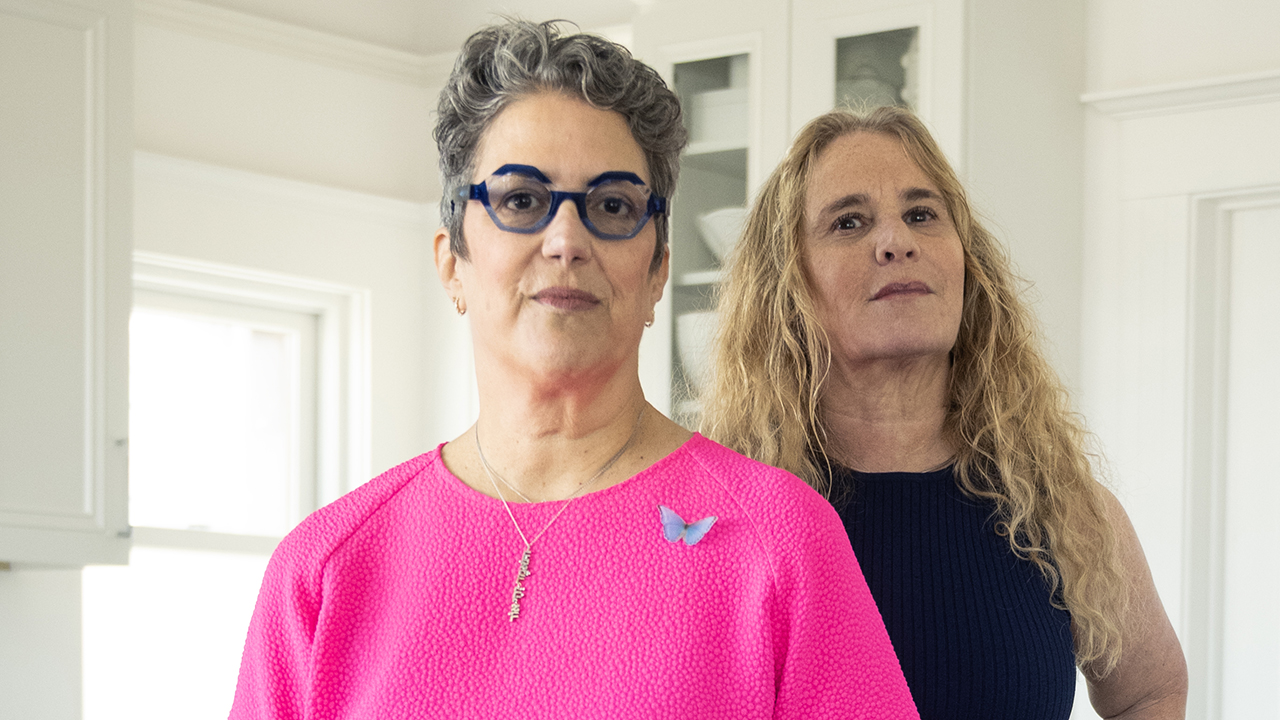
The story spotlights two Bay Area Jewish leaders, Jan Reicher and Debbie Findling, who graduated from the selective Wexner Heritage Program, among some 2,500 alumni nationwide. Its sponsor is Leslie Wexner, a billionaire and Jewish philanthropist, who made his fortune through brands like Victoria’s Secret and Abercrombie & Fitch. Wexner was a close friend of Epstein’s for many years, a relationship that helped supply Epstein with the power and money to commit his atrocities. Epstein was also a trustee of the Wexner Foundation, the charity behind the leadership program, for 15 years.
Reicher, Findling and a group of allies are calling on the foundation to do more to address this history and asking Wexner program alumni to donate to groups supporting survivors of sexual violence or trafficking.
Some wondered why we chose to feature the story on the cover of our print edition and whether that meant we endorsed this accountability campaign. We make no such endorsements. We highlighted this effort because it is especially newsworthy: For years, many in the Jewish community privately expressed dismay over Wexner’s ties to Epstein. Reicher and Findling are now trying to force a public reckoning, in the most organized effort of its kind so far.
To be clear, it wasn’t J. that made the Jews look bad. It was Epstein, who built a global network of abuse, and perhaps also Wexner, who has said he regrets his ties to Epstein and had no knowledge of Epstein’s criminal activity.
Reporting on the controversy is different from causing it.
It’s worth remembering that we didn’t go looking for a scandal to manufacture. Reicher and Findling had already built a real campaign — organizing allies, making demands, putting their names on the line. We covered something that existed in the world before we wrote a word about it.
I also want to emphasize who our audience is — and who it is not. We’re accountable first to our own community, not to how a story might be twisted by people who wish us ill. And if we started deciding what to cover based on how antisemites might react, we might never publish anything. Almost any story about Jews, even positive ones, can be weaponized.
Still, none of this means we take accountability reporting lightly. Quite the opposite. We take lashon hara seriously, and we don’t publish stories like this reflexively or for shock value. We ask, story by story, whether the public interest outweighs the potential harm of publishing, and we try hard not to cross into sensationalism.
We don’t always get that balance perfectly right, and I want to hear from readers who think we got it wrong this time. That conversation is part of how we hold ourselves accountable, too.